





Building a Stronger Vermont Together: 2025 Legislative Priorities

2025 Legislative Agenda

Building a Stronger Vermont Together

Trusted by the businesses that make living, working, and thriving in Vermont possible, the Vermont Chamber prioritizes collaboration and upholds the core values that define our state. As the preeminent not-for-profit statewide business organization, we advocate, build community, and provide resources for businesses statewide.

Last year, the Vermont Chamber of Commerce focused on collaborative solutions to address the state’s pressing challenges, and as we move into 2025, this commitment to balanced, data-driven, and pragmatic approaches remains strong. Through continuous engagement with legislators, businesses, and local stakeholders, the Vermont Chamber actively shapes legislative priorities that strengthen Vermont’s economy and improve quality of life for all Vermonters.

Megan Sullivan

she/her

Vice President of Government Affairs

802-522-6316

Advocacy Pillars

The Vermont Chamber is committed to working with legislators, businesses, and communities to build a stronger Vermont. Our 2025 Legislative Agenda outlines a roadmap to achieve economic growth, affordability, and a high quality of life for all Vermonters.

Affordability Through Critical Reforms

Rising costs without improved outcomes are a significant concern for Vermont businesses and residents. In 2025, the Vermont Chamber will advocate for critical reforms that address the root causes of these cost drivers, without resorting to increased taxes on businesses and residents. Instead, the Vermont Chamber will focus on identifying and advocating for practical reforms that achieve meaningful cost reductions.

Key Policy Areas

  • Education
  • Healthcare
  • Housing
  • Fiscal Policy

Incremental Progress Toward Aspirational Goals

The Vermont Chamber recognizes the need for measured progress on key long-term goals. By working collaboratively with legislators and stakeholders, the Vermont Chamber seeks to implement practical solutions that sustainably address challenges.

Key Policy Areas

  • Data Privacy
  • Early Childhood Education
  • Environment and Energy

Innovative Solutions for People and Places

Vermont faces a pressing need for more housing and a larger workforce. The Vermont Chamber believes that innovative solutions are needed to address these challenges. This includes strategic investments in housing development and critical infrastructure and efforts to promote Vermont as a desirable destination for workers and families. Creating a branding tool kit to attract new residents with diverse skills and experiences, Vermont can meet its workforce needs and ensure continued economic growth.

Key Policy Areas

  • Workforce
  • Economic Development
  • Community Development

Op Ed: The Vermont Chamber’s 2024 Legislative Priorities

A Stronger Vermont Economy: The Vermont Chamber’s 2024 Legislative Priorities

Last year at this time, the Vermont Chamber of Commerce shared that “amid a nation more divided than ever, Vermont remains a leader in unity, particularly when it comes to agreeing on the top issues facing our state. If we can agree on the problems, we are confident we can find balanced solutions. Vermonters agree on the ‘what,’ and we look forward to working together to find common ground on the ‘how.’” As we approach the second half of the biennium, this sentiment remains true.

Businesses statewide trust the Vermont Chamber to prioritize collaboration and uphold the core values that define our state. Our team meets with legislators and businesses year-round because our work to advance the Vermont economy never stops. We also meet with local stakeholder groups across Vermont to further inform our legislative priorities. In 2024, the Vermont Chamber will focus our advocacy efforts on three key pillars of opportunity.

Workforce Housing: To meet the need for 80,000 new units of housing by 2035, it will require a coordinated approach and bold strategic solutions to bolster efforts that are already underway. Collectively, our state land use regulations and programs must be modernized to reflect the needs of Vermonters today and in the next 20 years. We can protect our highly sensitive natural resources while also reforming permitting and Act 250 to allow for growth. Exemptions, more predictable and consistent processes, and redesigning state designation programs will support and incentivize resilient smart growth in larger geographic areas. We also need to invest in more solutions for middle-income Vermonters through appropriations and tax policy.

Business Success: Vermont businesses are going above and beyond to uplift their employees, customers, and neighbors. Meanwhile, they also face significant affordability and workforce challenges. To give businesses time to implement pre-existing financial obligations, such as the first-ever payroll tax that was established last session, we are advocating for tax proposals to undergo rigorous assessment in comparison to both existing and forthcoming cost burdens. Additionally, we will continue to build on our record of advocacy for workforce recruitment and retention strategies. This includes leveraging achievements like the Declaration of Inclusion initiative to encourage more people to move to Vermont, bolstering centers for technical education to meet the demand for vocational workers, and fully exempting military retiree pensions from taxation to attract and retain highly skilled workers for second careers in Vermont.

Recovery & Resiliency: Recovery programs must be replenished to address the collective unmet economic injury need from the summer floods. Looking ahead, it’s not a matter of if, but when, a severe weather event will hit Vermont again. Working with federal partners to identify and allocate funding is also paramount for proactive disaster preparedness initiatives. By implementing mitigation strategies, we can reduce the downtime of operations and revenue loss following future disasters. We can also help state agencies create or update standardized programs to mobilize during disaster response that efficiently meet the needs of those impacted.

Business vitality is crucial to the well-being of all Vermonters. This is why we are optimistic that legislative priorities and business needs can align during the 2024 legislative session. As always, the Vermont Chamber legislative agenda is data-driven and cost-conscious, and we look forward to working with legislators to find solutions rooted in the economic reality of Vermont. We are also confident that our team has the institutional knowledge and pragmatic approach to leadership that will continue to achieve results for the Vermont business community. Learn more at vtchamber.com/advocacy.

“Rising Stars” Awarded to Amy Spear and Megan Sullivan

“Rising Stars” Awarded to Amy Spear and Megan Sullivan

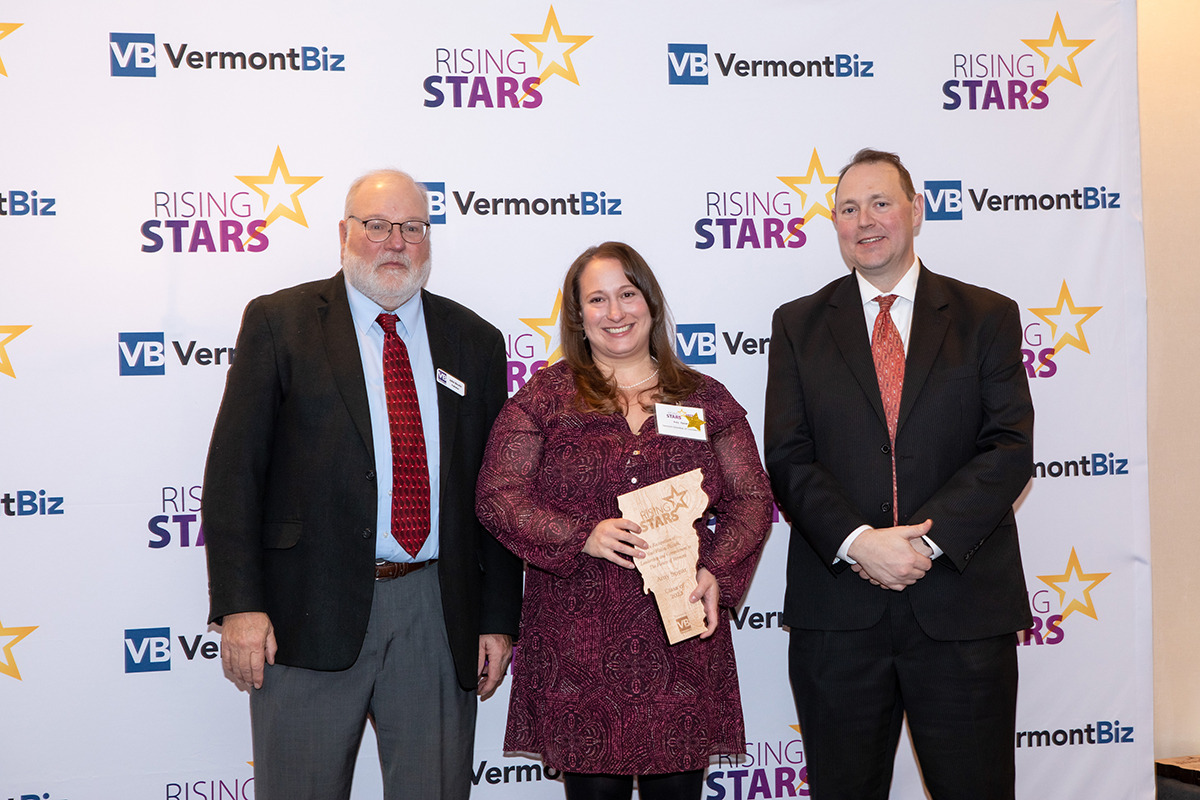
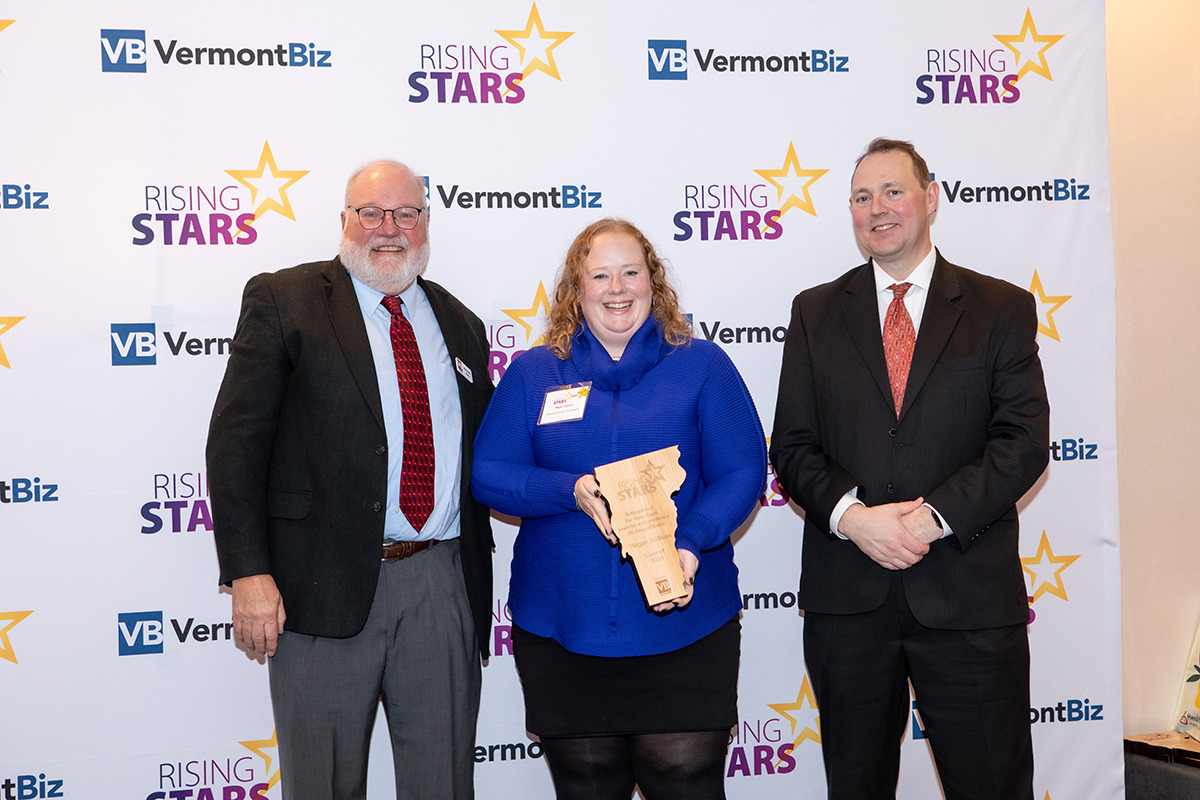
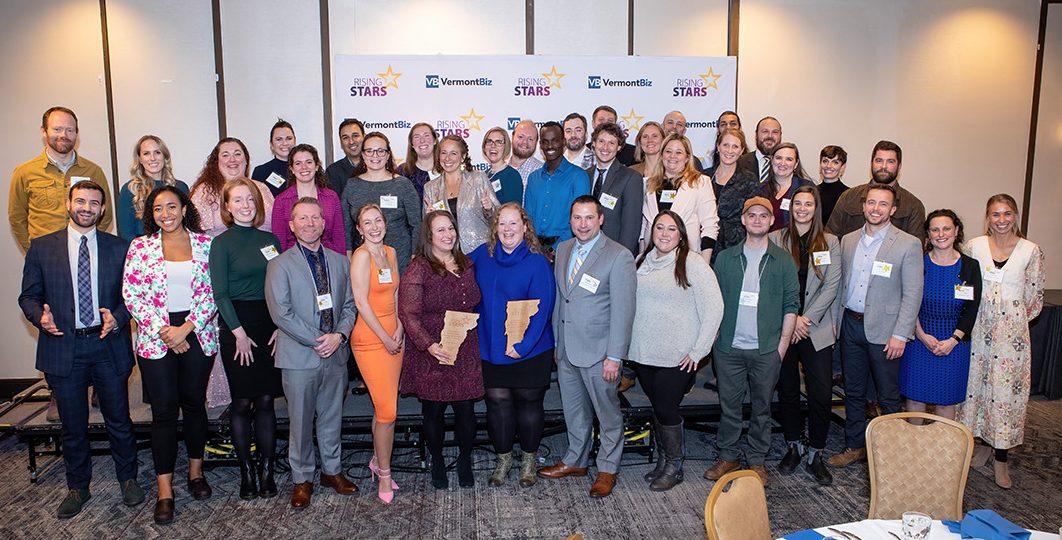
Amy Spear, VP of Tourism, and Megan Sullivan, VP of Government Affairs were selected for their outstanding contributions to the Vermont economy and their communities. The Rising Star Awards honor 40 of Vermont’s most accomplished young leaders under the age of 40. This year’s recipients were chosen from 130 nominations and joined the ranks of 641 honorees selected in the last 14 years.

Amy has been with the Vermont Chamber since 2019, overseeing tourism division activities, and is a member of the advocacy team specializing in tourism and hospitality issues. Megan joined the Vermont Chamber team in 2021 as the advocacy team lead, directing government affairs work with the mission of advancing the Vermont economy. Amy and Megan are featured in the November issue of VermontBiz.

Rural Caucus Seeks Public Input on Flood Recovery and Climate Mitigation

Rural Caucus Seeks Public Input on Flood Recovery and Climate Mitigation

The Rural Caucus is taking the lead on flood recovery and resiliency, with public testimony this week dedicated to insights on how to aid rural Vermont after the devastating July floods. Businesses are encouraged to send policy recommendations to govaffairs@vtchamber.com to help inform a proposal that the Vermont Chamber will submit on behalf of the business community.

In public testimony this week, the group heard proposals and perspectives from Vermonters on how the legislature can take the necessary steps to support flood-affected communities and ensure their future resilience. Looking ahead, it’s not a matter of if, but when, a catastrophic weather event will hit Vermont again. Business vitality is crucial to the well-being of Vermonters, and strategic resiliency measures must be central to rebuilding and future planning.

Resiliency Must Be Central To Rebuilding and Future Planning

Resiliency Must Be Central To Rebuilding and Future Planning

In the wake of this summer’s catastrophic flooding, the Senate Economic Development, Housing, and General Affairs Committee took extensive testimony to inform legislative needs for a long-term mitigation plan. The hearing covered housing and community resiliency as well as the workforce challenges that could hinder the ability to make progress on climate mitigation.

The hearings featured FEMA, climate experts, infrastructure specialists, state regulators, and advocates discussing the ongoing impacts of the flood. They also emphasized the need for a new perspective on growth strategies to focus on new, resilient, regions. This challenges historical standards for where development should occur.

Many members of the committee, who also serve on the Senate Finance Committee, stressed the challenge of finding ways to fund these critical initiatives, recognizing the mounting pressures on the state budget. Additionally, the hearing focused on the challenges of cultivating a diverse workforce capable of addressing climate challenges. The shortage of skilled labor required for recovery and the lack of resilient housing for displaced residents loom as significant hurdles.

Leading up to the 2024 session, Megan Sullivan, VP of Government Affairs, will serve on the Agency of Commerce and Community Development’s Vermont Economic and Community Development Task Force. The group will help shape Vermont’s future in the face of ongoing climate challenges and will inform legislative priorities.

October is Manufacturing Month!

October is Manufacturing Month!

Manufacturing in Vermont is a catalyst for economic growth. For every $1 spent on manufacturing, it generates an estimated $2.68 worth of additional economic activity. The industry also employs 10% of the Vermont workforce and makes up 9% of Vermont’s GDP, contributing about $2.81 billion to the state economy. As Manufacturing Month comes to a close, Vermonters have ample reason to celebrate the dynamic and influential manufacturing industry that continues to shape our state.

Chris Carrigan, VP of Business Development, was on WDEV to discuss the Vermont Chamber’s legacy of strengthening Vermont’s manufacturing industry:


Vermont Chamber of Commerce Hosts 10th Annual Manufacturing Summit

Vermont Chamber of Commerce Hosts 10th Annual Manufacturing Summit

For a decade, the Vermont Chamber has brought together industry peers to facilitate sourcing and procurement opportunities at the Manufacturing Summit. OEM buyers, suppliers, and partners from across the United States and Canada convened at the event to strengthen supply chains and advance the Vermont economy. The event featured two days of virtual matchmaking, a robust seminar agenda, and an in-person networking reception.

Paradigm shifts brought on by the pandemic impacted global supply chains, causing businesses to modify their sourcing strategies. The Vermont Chamber’s Manufacturing Summit has met this challenge by innovating the event into a hybrid agenda. This year, 335 meetings between 90 suppliers and 24 OEMs, prime contractors, and government agencies took place. Many of the participants were leaders in the aerospace, aviation, defense, naval, marine, semiconductor, and space industries.

The 2023 Manufacturing Summit also marked the 10th anniversary of a collaboration agreement between Aéro Montréal and the Vermont Chamber. The Vermont-Québec Aerospace Trade Corridor links Vermont’s $2 billion aerospace manufacturing and civil aviation industry with the $18 billion Québec aerospace cluster. The corridor also extends to Connecticut and Ontario.

“Since 2013, the Vermont Chamber has built a legacy of strengthening Vermont’s manufacturing industry. Our advocacy work focuses on supportive tax policy and our supply chain matchmaking skills give Vermont businesses a competitive advantage. The Manufacturing Summit is the pinnacle of our year-round efforts to create a niche network of industry peers that enables supply chain opportunities in Vermont, New England, and Canada,” stated Chris Carrigan, Vice President of Business Development for the Vermont Chamber. “It was particularly exciting to produce this year’s event during Manufacturing Month, a time when the industry’s critical contributions to the national, state, and local economy are on full display.”

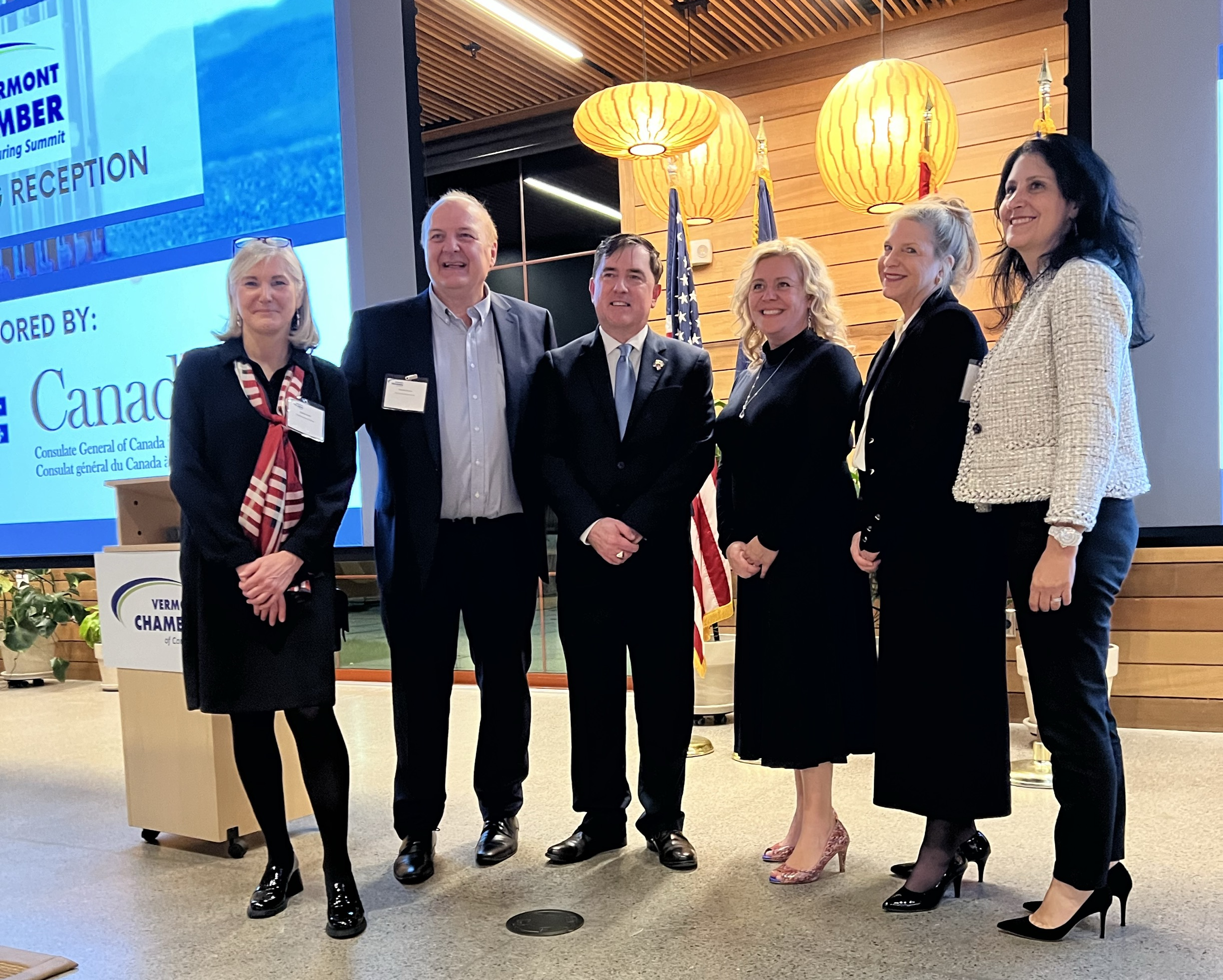
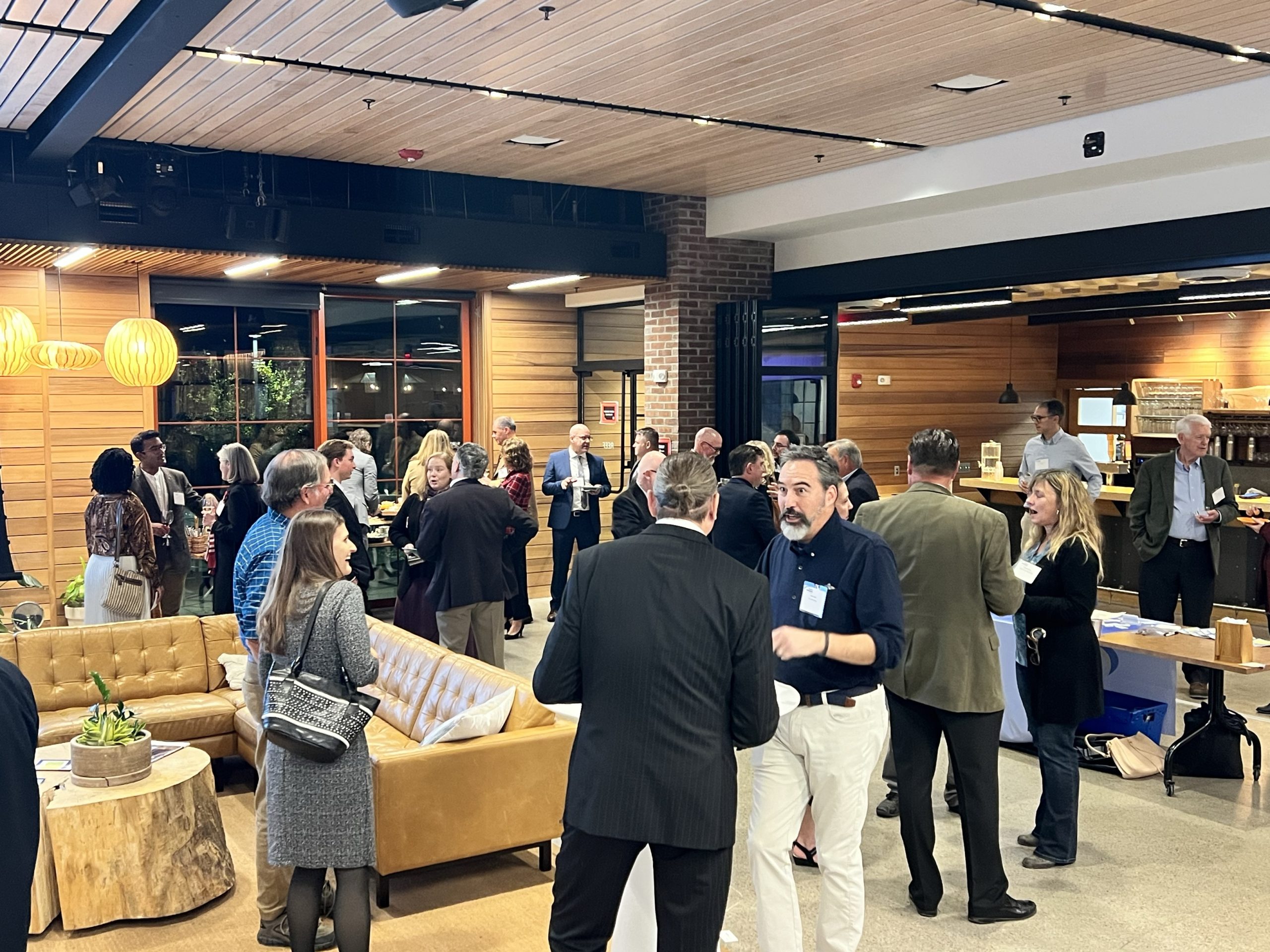
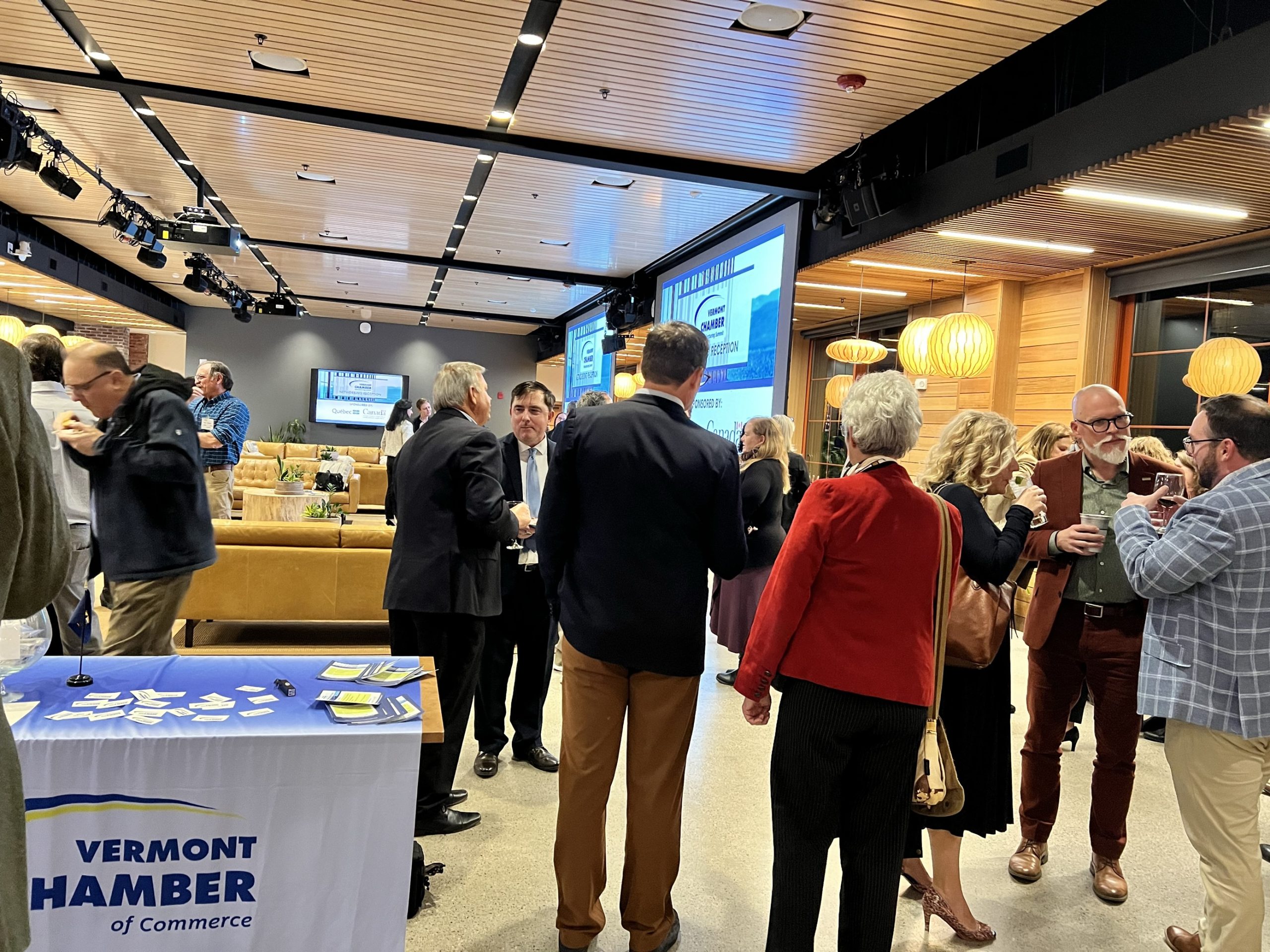
Several foreign and state dignitaries were present at the networking reception in Burlington, including Acting Consul General and Senior Trade Commissioner Dina Santos, Québec Delegate to New England Marie-Claude Francoeur, President of Aéro Montréal Mélanie Lussier, Treasurer Mike Pieciak, Commissioner Joan Goldstein, members of the Vermont Legislature, and representatives from the offices of Senator Bernie Sanders, Senator Peter Welch, and Congresswoman Becca Balint.

Vermont Chamber Announces New Board Members and Leadership

Vermont Chamber Announces New Board Members and Leadership

The Vermont Chamber of Commerce welcomed six new Directors to the Board: Alberto Aguilar of Carris Reels, Brendon Blood of Blood’s Catering & Party Rentals, Walter Frame of Trapp Family Lodge, Shireen Hart of Primmer Piper Eggleston & Cramer, PC, Kelly Krayewsky of Revision Military, and Leslee MacKenzie of Coldwell Banker Hickok & Boardman.

[Clockwise from top left] Alberto Aguilar, Brendon Blood, Walter Frame, Leslee MacKenzie, Kelly Krayewsky, Shireen Hart,

The Board also voted on a new slate of Executive Committee members, including Tom Dunn of Vermont Electric Power Company as Chair, Sharon Rossi of Foodscience Corp. as Vice Chair, Kathy Austin of Community National Bank as Treasurer, Peter McDougall as Past Chair, and Willie Docto of Moose Meadow Lodge and Kim Donahue of Inn at Round Barn Farm as Executive Committee Members at Large.

The Vermont Chamber of Commerce Board of Directors is dedicated to economic progress and the Vermont business community. Their collective expertise ensures that the work of the Vermont Chamber of Commerce is rooted in the diverse perspectives of those with lived business experience.

“The Vermont Chamber is unique in that it brings a diversity of businesses together with a shared purpose to work together toward building a stronger Vermont economy,” said incoming Board Chair Tom Dunn. “The six new team members we welcome today reflect and further strengthen this diversity. They join a Board comprised of effective business leaders, each with an outstanding record of accomplishment built on a blend of institutional knowledge, innovative thinking, and pragmatic leadership.”

Vermont Chamber of Commerce President Betsy Bishop said, “The Vermont business community has entrusted the Vermont Chamber with the work of advancing the Vermont economy. This work depends on bold leadership across our organization that represents the breadth of business in our state. We are proud to welcome each of these business leaders who, together, represent the breadth of industry in Vermont.”

The following business leaders will continue to serve as members of the board: Steve Gagner of 14th Star Brewing, Chris Karr of The Karr Group, Sue Bette of Bluebird Hospitality, Mané Alves of Vermont Artisan Coffee & Tea Company, Teresa Kajenski of Fothergill, Segale & Valley, Roger Nishi of Waitsfield and Champlain Valley Telecom.

Vermont Chamber Brings Together Chris Graff and Garrett Graff for First Joint Appearance, a Discussion on Politics and the Media

Vermont Chamber Brings Together Chris Graff and Garrett Graff for First Joint Appearance, a Discussion on Politics and the Media

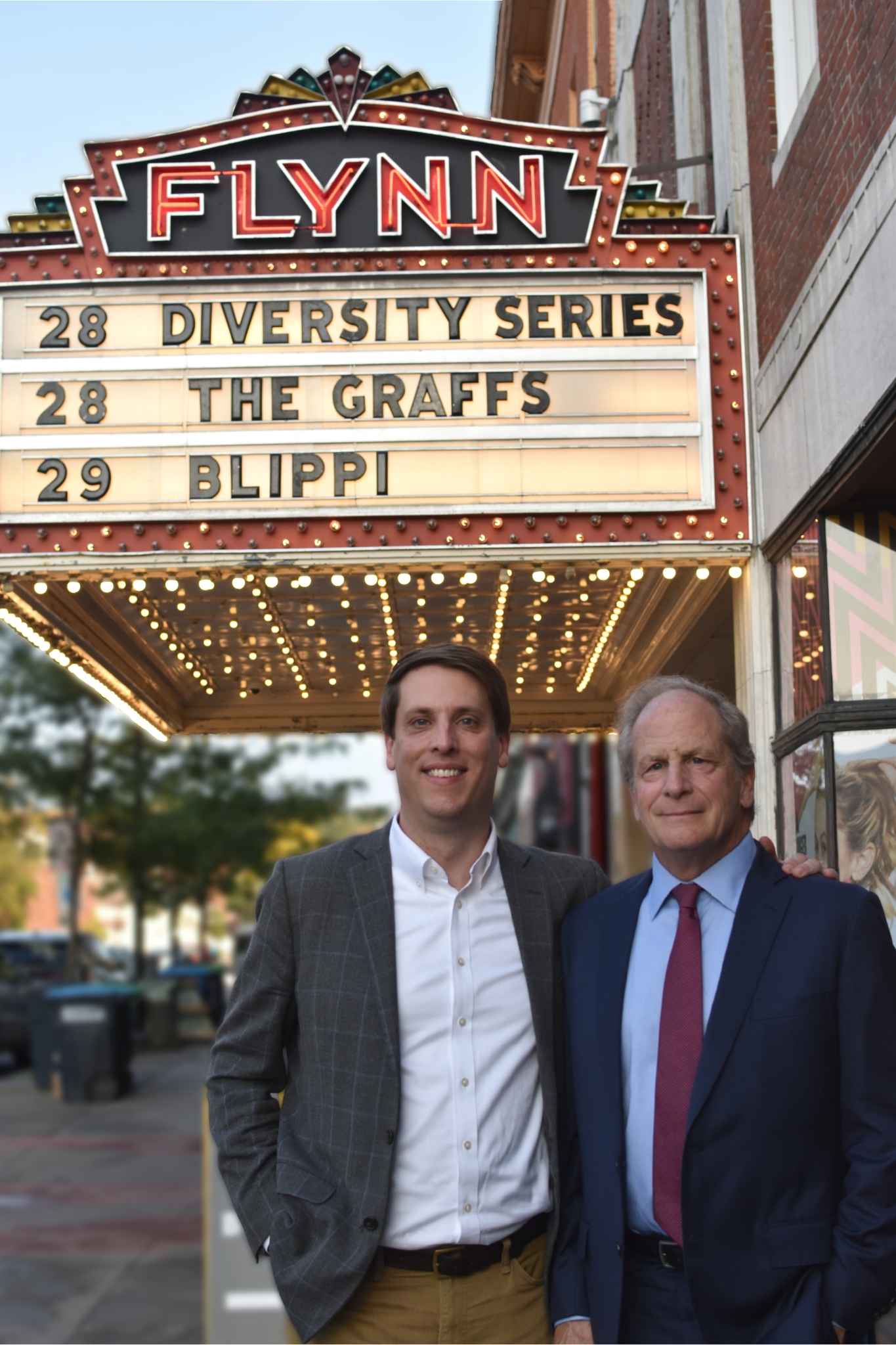
On September 28, 2023, the Vermont Chamber of Commerce hosted an exclusive event featuring Chris Graff and Garrett Graff at the Flynn Space in Burlington Vermont. The father-son duo took the stage at “An Evening With the Graffs” to discuss the intricate relationship between the media and politics.
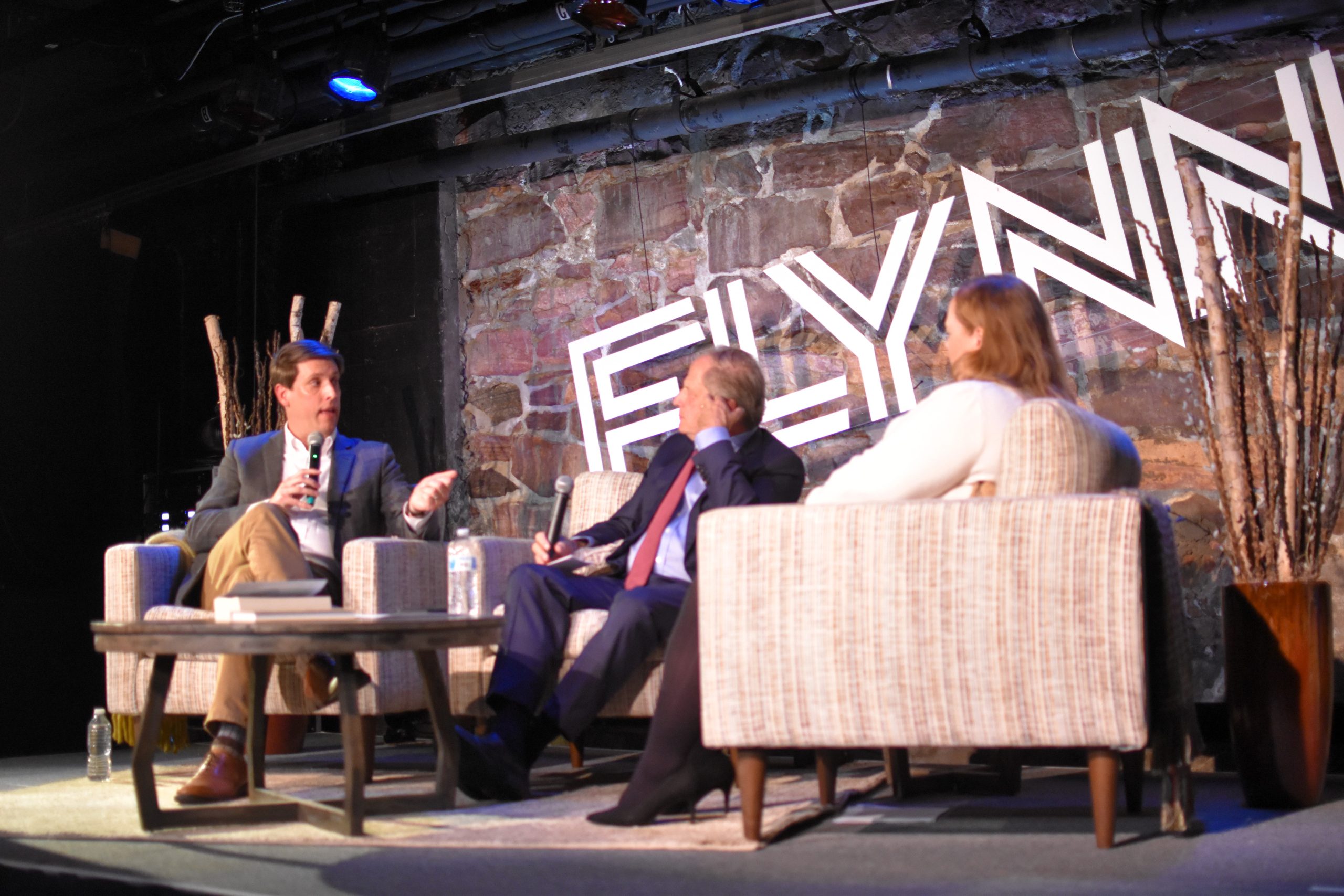
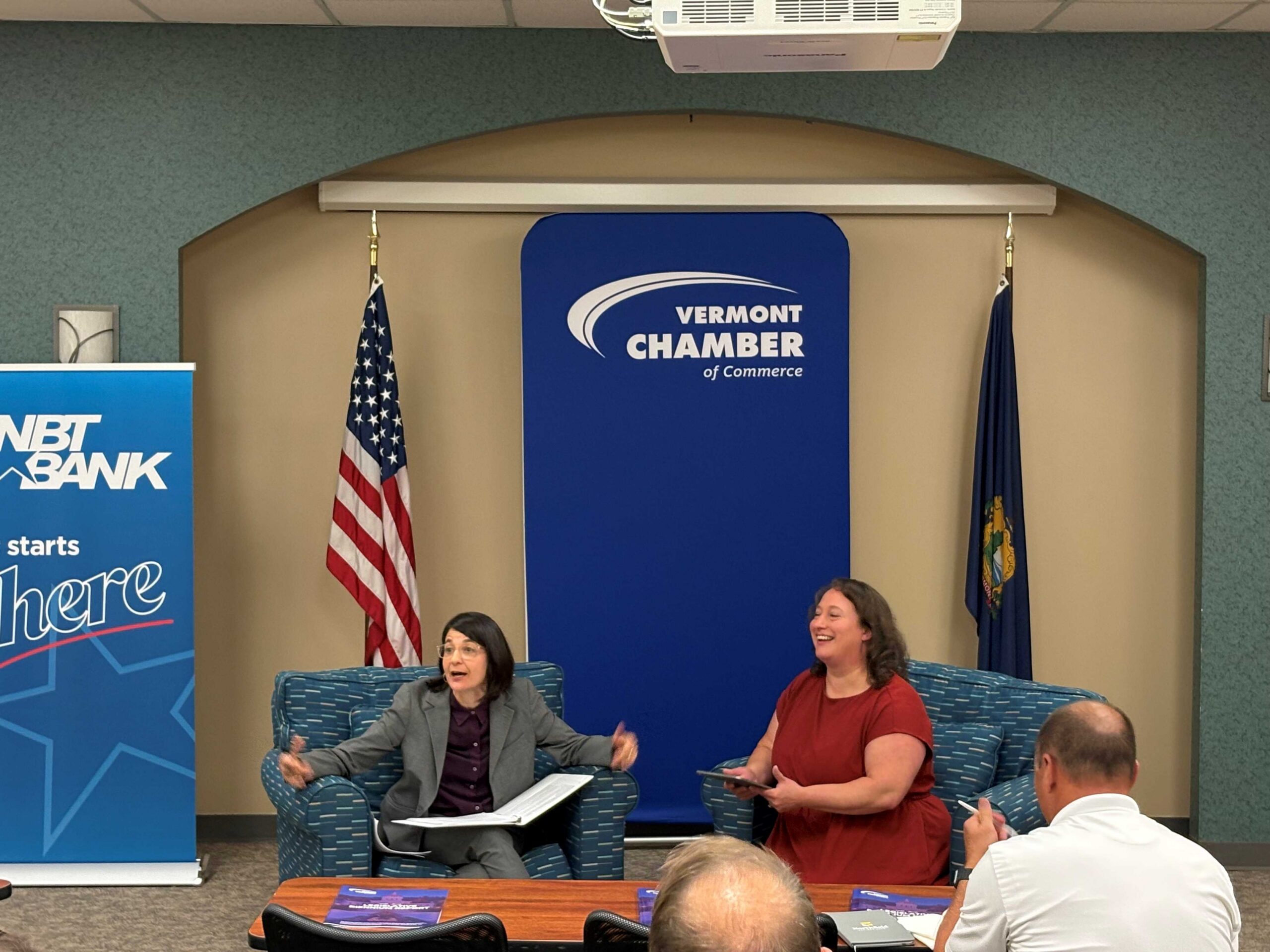
Garrett Graff and Chris Graff in conversation with Megan Sullivan, VP of Government Affairs.

Both Chris and Garrett Graff are esteemed journalists, authors, and political commentators with deep Vermont roots. The event focused on the ramifications of a rapidly changing media landscape nationally, and right here at home in Vermont. In particular, the Graffs focused on how social media and the 24-hour news cycles have influenced public opinion and impacted civic engagement as well as examined the rise of opinion-driven journalism and the proliferation of misinformation.

Chris Graff, a veteran Vermont reporter, served as the long-time Vermont AP bureau chief and host of “Vermont This Week.” In his decades with the AP, he covered the critical stories as the state transformed itself from a rural, Republican outpost into the state of Howard Dean, Jim Jeffords, Patrick Leahy, and Bernie Sanders.

Chris Graff stated, “We are incredibly lucky here in Vermont. Something special about our politicians that has remained true is their accessibility. We’ve seen our politicians succeed in presidential campaigns because we have something that the rest of America wants. When we ask our politicians a question we expect to get an answer, and we do.”

Garrett Graff is a Pulitzer Prize finalist, distinguished magazine journalist, internationally bestselling historian, and regular TV commentator and producer. He is recognized as one of the nation’s most prolific and wide-ranging journalists and historians. He offered a robust perspective on how political and geopolitical trends will shape the next decade. Specifically, how the current media landscape underscores that younger generations are the first in U.S. history to be less prosperous than their parents.

“The press is the only industry mentioned by name in the Constitution,” said Garrett Graff. “With a political landscape changing faster than we as a society can process it, and a void of national journalism rising to the occasion, younger generations are entering the workforce amid an excess of misinformation. Modern journalism too often covers the state of an issue rather than the stakes, and this is central to its failings.”

“The Vermont Chamber is proud to have brought these two incredible Vermonters together on stage for the first time,” said Vermont Chamber President Betsy Bishop. “Together, Chris and Garret have a combined 50 years of perspective on the rapidly changing media landscape, and how this has impacted political discourse and policymaking. We hope to see their shared expertise on display again very soon. ”
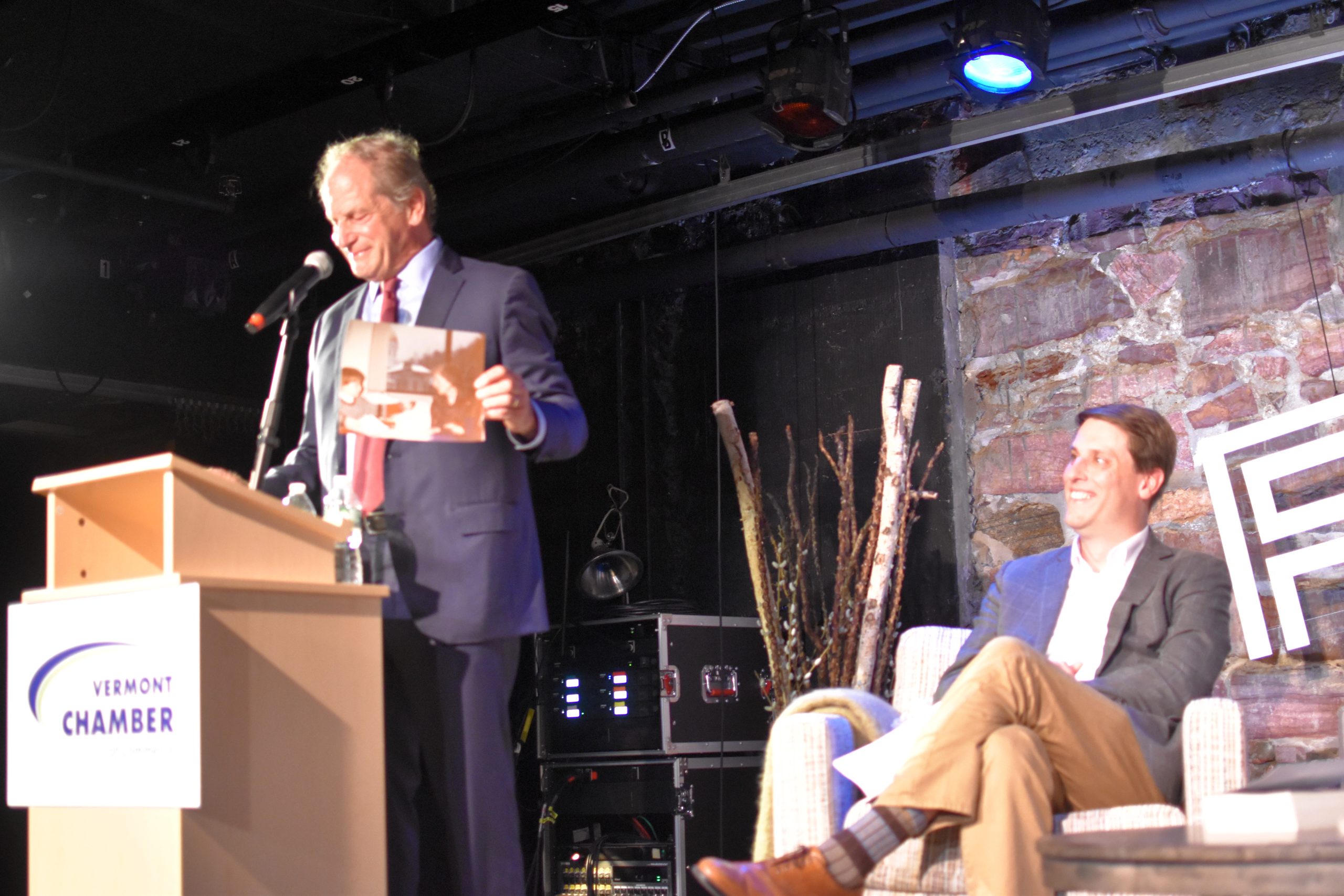
Chris Graff displays a photo of Garrett Graff conducting his “first interview” with Governor Madeleine Kunin as a young aspiring reporter.

How the Impending Government Shutdown Will Impact Vermont Businesses

How the Impending Government Shutdown Will Impact Vermont Businesses

With a resolution improbable, the nation is likely facing a government shutdown starting Sunday, October 1, at 12:01 AM. While we hope for a solution that averts such a scenario, businesses must be prepared for the potential impacts.

Vermont Businesses must assess and strategize for the potential fallout of a government shutdown that could include:

  1. Contractual Delays: Vermont has as many as 160 businesses with contracts valued at over $168,00,000 that provide critical products and services to government agencies and rely on government contracts. Businesses doing this work can anticipate delays in payments and challenges connecting with contract managers. Prepare for cash flow disruptions and the need to renegotiate terms.
  2. Regulatory Paralysis: Companies subject to government regulations, such as specialty beverage and food producers, will need to brace for a backlog of applications, compliance checks, inspections, and exporting of goods. This could challenge growth, product launches, and daily operations.
  3. Consumer Caution: Prolonged government uncertainty can lead to decreased consumer spending. Industries like retail, hospitality, and tourism may experience a drop in customer confidence. This is especially challenging as Vermont enters one of its busiest seasons for the visitor economy.