Vermont Solutions Summit: Turning Strategy Into Action

Presented by Heritage Family Credit Union

The Vermont Solutions Summit brings together business, state, local, education, and community leaders to turn strategy into action. 

Grounded in the Vermont Economic Action Plan, the Summit examines the interconnected challenges shaping Vermont’s future, including workforce shortages, housing scarcity, rising costs, and the state’s competitive position. Through expert insights, candid conversations, and interactive policy sessions, attendees explore practical solutions that can move Vermont toward a more affordable and prosperous future. 

This is not simply a conference about Vermont’s challenges. It is a solutions-focused gathering designed to connect long-term planning with policy development and coordinated action. Attendees gain a deeper understanding of Vermont’s economic direction, the policies needed to support progress, and the role leaders across sectors can play in advancing meaningful, scalable solutions.

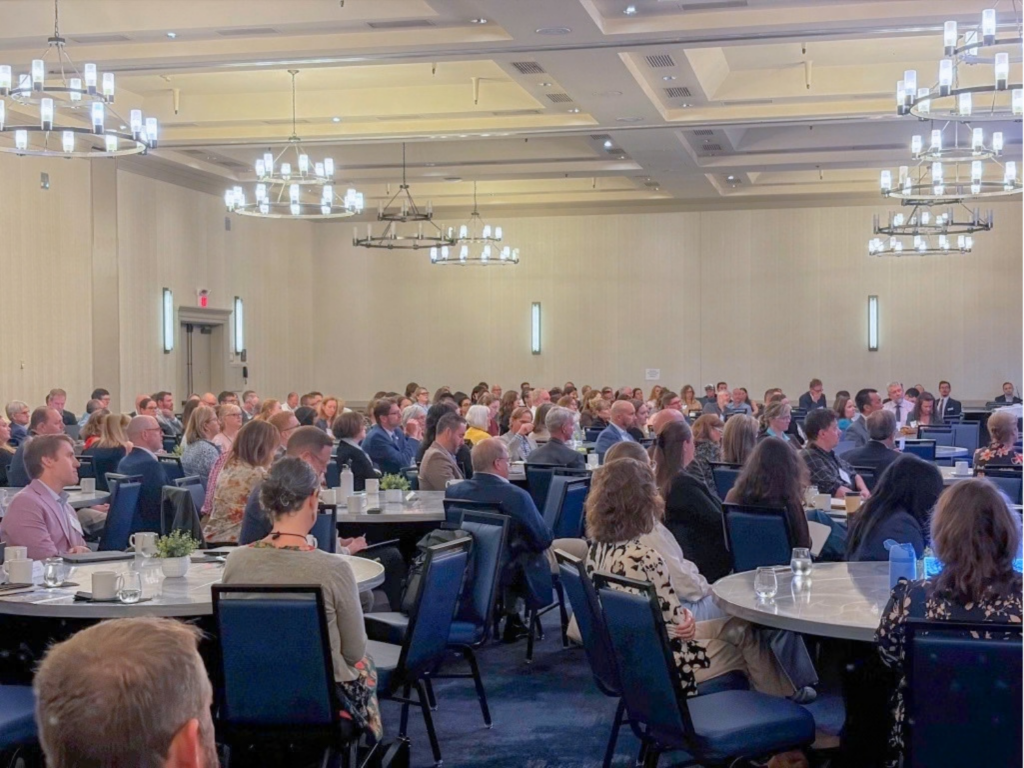
The audience at the 2026 Vermont Solutions Summit
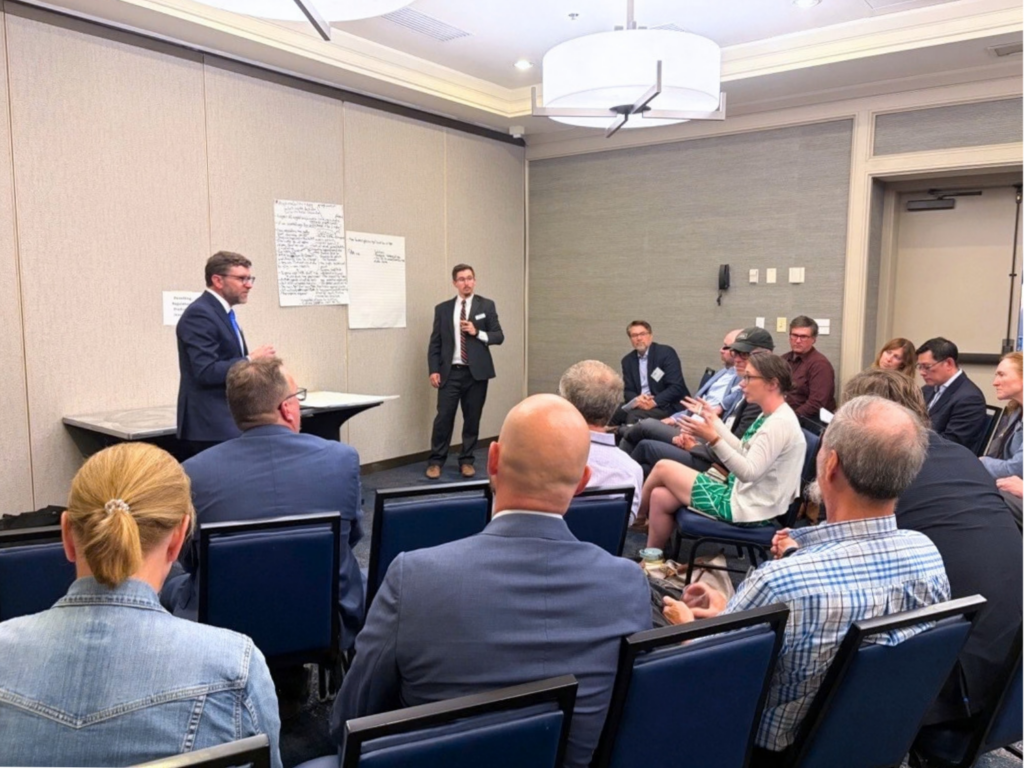
Kevin Chu of the Vermont Futures Project facilitates a policy roundtable at the 2026 Solutions Summit
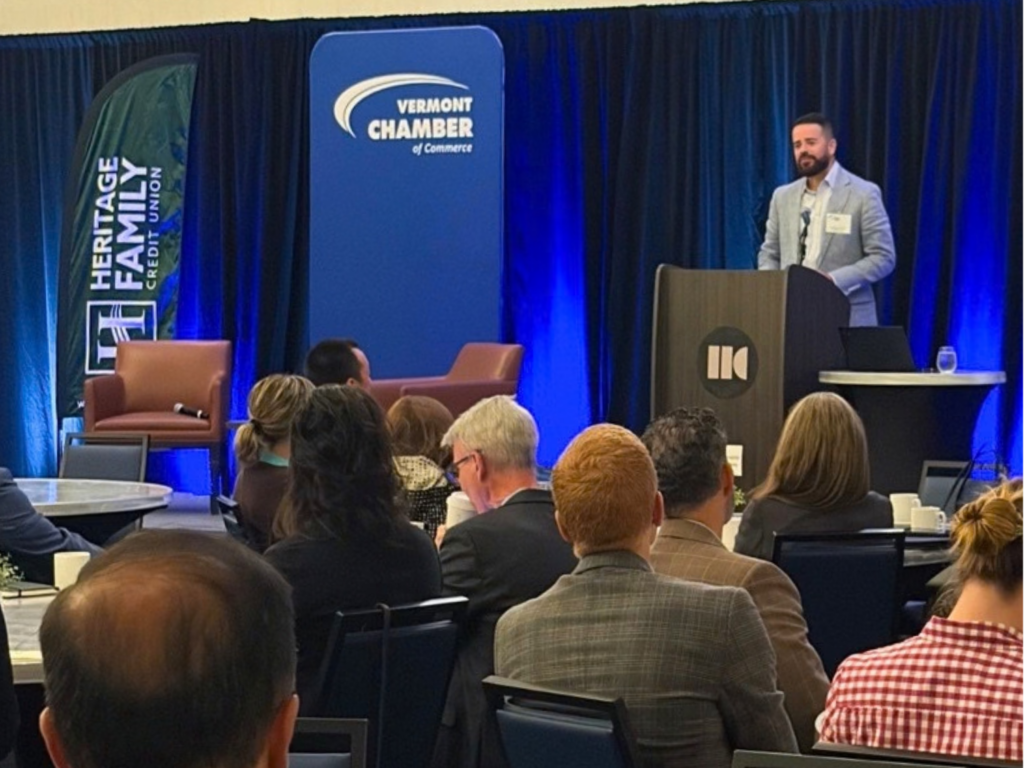
Chris Gomez of the presenting sponsor, Heritage Family Credit Union, speaks during the 2026 Solutions Summit
Neale Lunderville of VGS and the Vermont AI Economic Task Force facilitates a policy roundtable during the 2026 Solutions Summit
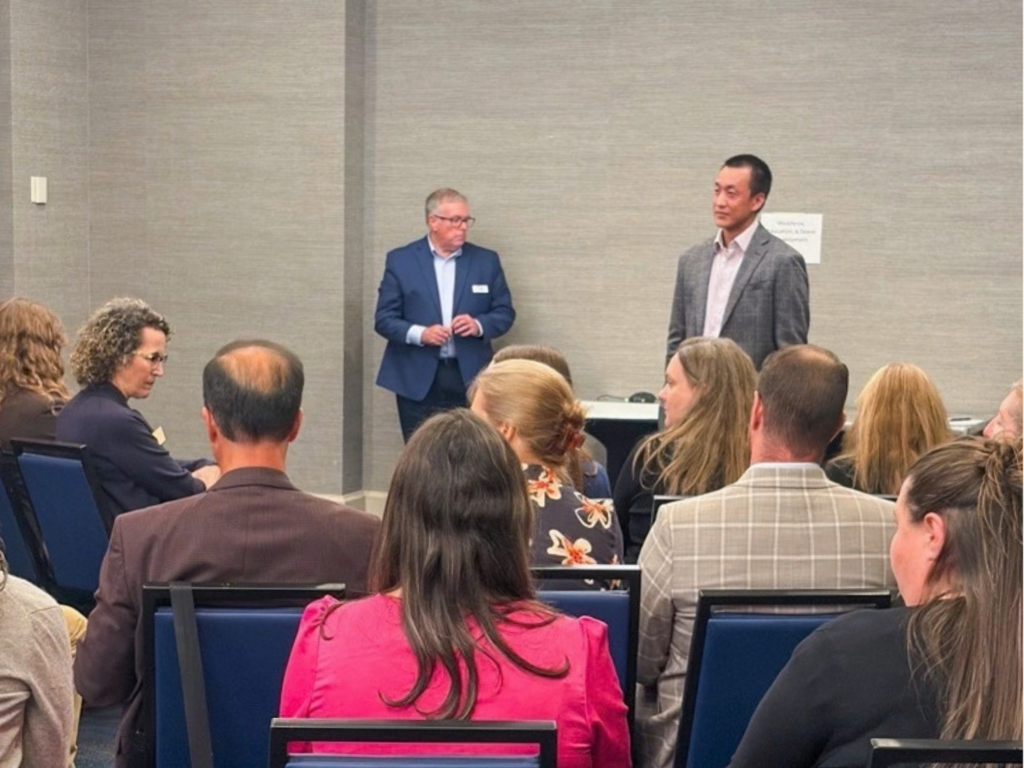
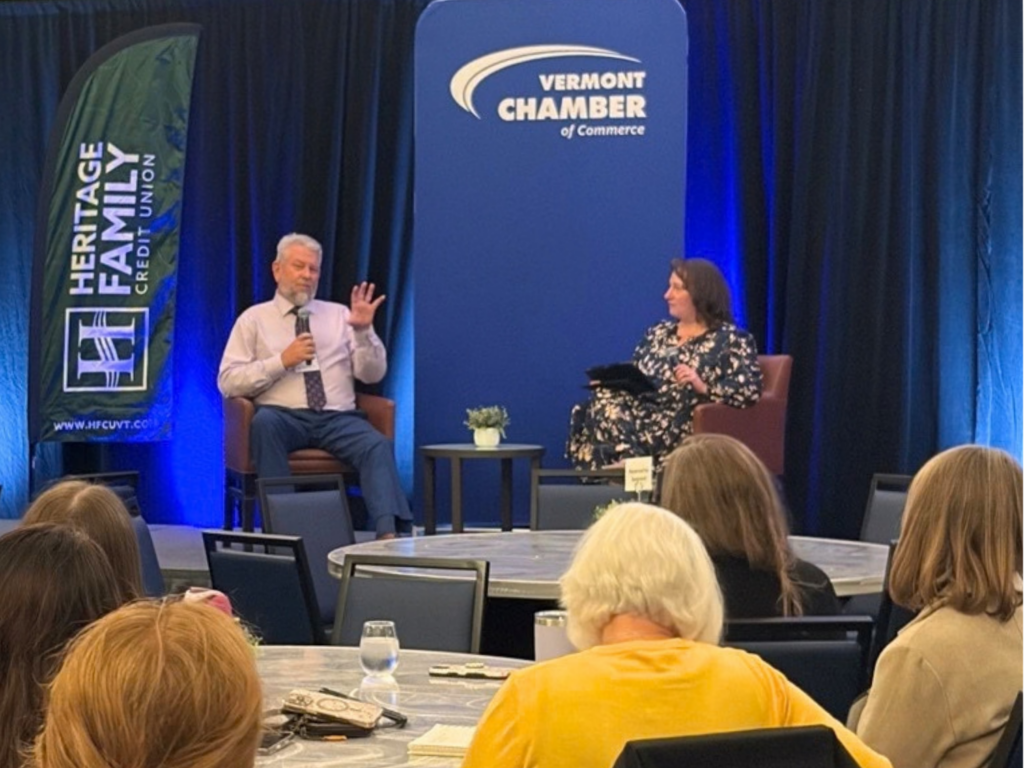
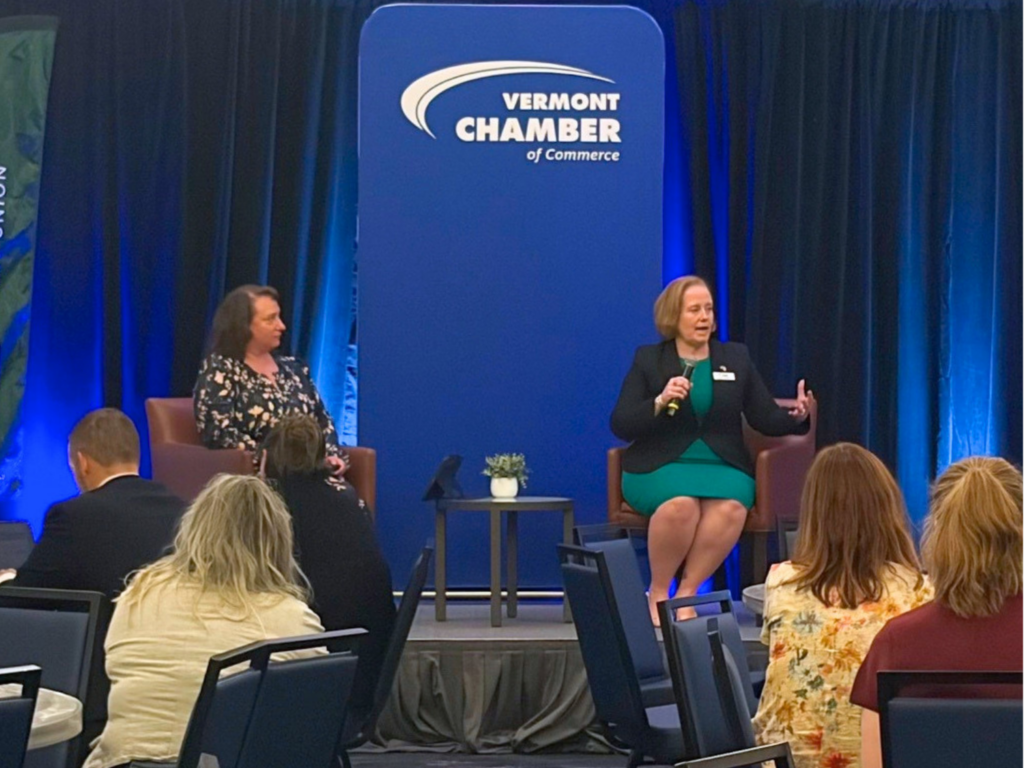
Russ Marsan of Workforce in Motion and Amy Spear talk during a featured session at the 2026 Solutions Summit

2026 EVENT AGENDA

On September 10, the 2026 Vermont Solutions Summit brought together leaders from across Vermont for solutions-focused conversations designed to move ideas toward policy and action. Explore the agenda and sessions from the day below.

Registration

Registration opens at 8:00 AM and program content begins at 9:00 AM.

Breakfast

Breakfast is provided from 8:00–9:00 AM, and coffee is available throughout the morning.

Welcome

Amy Spear, President | Vermont Chamber of Commerce 

Presenting Sponsor Remarks

Chris Gomez, President & CEO | Heritage Family Credit Union
Roofs over Rutland Highlight

Neale Lunderville, President and CEO of VGS | Chair of the Governor’s AI Economic Task Force 

Vermont’s workforce constraints are well known. The bigger question is how we turn emerging technology into an economic advantage. 

As Chair of the Governor’s AI Economic Task Force, Neale Lunderville is leading a statewide effort to identify where artificial intelligence can create the greatest opportunity for Vermont, from helping small businesses become more productive and competitive to strengthening our workforce and accelerating economic growth. 

This conversation will move beyond the AI hype to explore where Vermont can lead, what the Task Force is learning, and the practical actions businesses, policymakers, and communities can take now. Attendees will get an early look at how Vermont is approaching AI as an economic strategy and what it could mean for the future of work, investment, and competitiveness in our state. 

Take a break, connect with fellow attendees, and continue the conversation.

A series of focused conversations with Vermonters advancing practical solutions to some of the state’s most pressing economic challenges. Each 15-minute exchange will highlight the problem being addressed, the idea taking shape, and what it will take to move from concept to meaningful impact. 

  • From Exposure to Employment: Building Vermont’s Workforce Pipeline: Vermont needs stronger, faster pathways from career exploration to employment. Russ Marsan, founder of Workforce in Motion, will share how a regional idea is becoming a statewide model connecting students and career changers with hands-on experiences, training, and high-demand careers. The conversation will explore what it takes to scale the model and turn workforce challenges into opportunity. 
  • From Access to Wellbeing: Building a Healthier Workforce: Access to convenient, affordable health care is more than a quality-of-life issue, as it also affects workforce and economic competitiveness. Leaders from The Vermont Country Store will share how its Family Wellness program brings primary care, behavioral health support, and wellness resources closer to employees and their families. The exchange will explore how an employer-led model can remove barriers to care, strengthen employee wellbeing, and build a healthier, more resilient workforce, and what other Vermont employers can learn from the approach. 

Dr. Elizabeth Mauch, Chancellor | Vermont State Colleges 
Dave Clayton, Senior Vice President, Research | Strada Education Foundation

Vermont’s future depends on our ability to connect people with opportunity. As employers across the state navigate persistent workforce shortages, education and postsecondary pathways must be aligned with the skills, credentials, and experiences needed in a changing economy. 

This session will bring together Dr. Elizabeth Mauch, Chancellor of the Vermont State Colleges, and Dave Clayton, Senior Vice President, Research at Strada, for a timely conversation on how Vermont can strengthen the connection between education and employment. Together, they will explore how higher education, workforce partners, and employers can better support student success, expand career-connected learning, and build clearer pathways to economic mobility. 

Grounded in the Vermont Economic Action Plan’s call to strengthen alignment between education and employment, this discussion will focus on practical strategies to retain talent, meet employer needs, and ensure that more Vermonters can live, work, and thrive here. Attendees will leave with a deeper understanding of how education-to-workforce partnerships can move Vermont from planning to policy to action. 
There will be a break for lunch at 12:00 PM. Lunch is provided, and sessions resume at 12:45 PM.

Kevin Chu, Executive Director | Vermont Futures Project 
Amy Spear, President | Vermont Chamber of Commerce 

Vermont’s most persistent economic challenges are deeply connected. Workforce shortages limit business growth and access to essential services. Housing scarcity makes it harder to attract and retain people. Rising costs place increasing pressure on employers, families, and communities. Addressing these challenges requires more than responding to one issue or one legislative session at a time. 

Kevin Chu and Amy Spear will set the strategic context for the afternoon by examining Vermont’s long-term economic position and the planning framework behind the Vermont Economic Action Plan. They will explore how demographic trends, housing availability, affordability, and the business climate shape Vermont’s ability to compete and prosper. 

The conversation will establish a shared foundation for the interactive policy sessions that follow.  

Take a brief break before the next afternoon session begins.

Attendees will move from strategy into policy through facilitated conversations with elected and appointed leaders. The following breakout groups will examine one of Vermont’s defining economic challenges, identify the policy and implementation barriers standing in the way of progress, and explore practical solutions that can be advanced across sectors:

  • Healthcare Affordability & the Cost of Doing Business
  • Economic Growth, Tax Policy & Competitiveness
  • Permitting, Regulation & Predictable Investment
  • Workforce, Education & Talent Development

These sessions are designed to be participatory rather than traditional panel discussions. Business leaders, policymakers, and community partners will be invited to contribute their experience, test ideas, and help identify opportunities for meaningful action. 

Take a brief break before the next afternoon session begins.

Megan Sullivan, Vice President of Government Affairs | Vermont Chamber of Commerce 
Amy Spear, President | Vermont Chamber of Commerce 

A strong plan establishes direction, but progress depends on what happens next. Research must be translated into policy. Policy priorities must be supported by coalitions, informed by those directly affected, and carried through the legislative and regulatory process with clarity and persistence. 

Megan Sullivan and Amy Spear will close the afternoon with a candid conversation about how economic priorities become action. Drawing on the day’s discussions, they will explore how the Vermont Chamber connects member experience, economic analysis, policymaker engagement, and advocacy to move practical solutions forward. 

The conversation will also examine the role business leaders can play in shaping policy, building public understanding, and sustaining momentum beyond a single event or legislative session.  

Attendees will leave with a clearer understanding of how coordinated leadership can turn shared priorities into measurable progress for Vermont’s economy. 

EVENT SPONSORS