Politics Upstages Good Policy, Housing Bill Falls Short

Politics Upstages Good Policy, Housing Bill Falls Short

Despite housing being the single most important issue this session for every constituency in the state, Senators have bypassed the opportunity to make legislation that is strong enough to make meaningful progress to solving the crisis. S.100 passed the Senate following a week of intense work by lobbyists to vote down an amendment offered by Senator Thomas Chittenden (D-Chittenden Southeast) that would call for more housing to be built. Despite a strong fight by several legislators, as stated by Senator Ann Cummings (D-Washington), legislators are left “living in a fantasy world if we think anything we are doing is going to solve the housing crisis.” Senator Randy Brock (R-Franklin) agreed with the sentiment, stating that legislators are saying “the house is on fire and we’re arguing about whether the fire truck should go 30 mph or 35 mph.”

Senator Chittenden’s amendment would have reinstated some of the important balance in reforms to state and local regulatory and zoning barriers that were crafted by the Senate Economic Development, Housing, and General Affairs Committee. Minor adjustments would make an important difference in the number of units of middle-income housing that developers can build to help alleviate Vermont’s housing crisis. Ultimately, the amendment was voted down on party lines.

SHARE THIS ARTICLE

RECENT NEWS

Vermont Chamber Celebrates Francophonie Month

Vermont Chamber Celebrates Francophonie Month

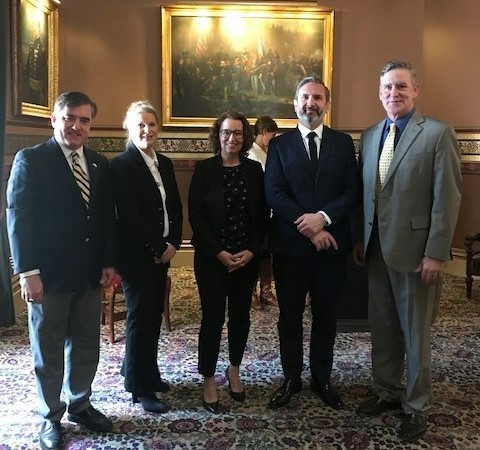
The Vermont Chamber joined key partners at the Vermont State House to celebrate Francophonie Month in Vermont and the shared French history and cultural and commercial ties that link communities together for business prosperity and security. 

Chris Carrigan, Vice President of Business Development for the Vermont Chamber was joined by Marie-Claude Francoeur, Quebec Delegate to New England, Susan Murray of U.S. Commercial Service, Mustafa Soykurt, Consul General of France in Boston, and Tim Tierney with the Vermont Agency of Commerce.

Governor Phil Scott proclaimed March as Francophonie Month, citing March 20th as the International Day of La Francophonie, celebrating the bond between francophone regions around the world and their shared values of democracy, human rights, cultural diversity, and solidarity.

For enhanced cross-border trade between Vermont and Canada, Vermont is participating in the 2023 Aeromart Montréal aerospace and defense trade show. This work will support the Vermont – Québec Aerospace Trade Corridor and expand on the Vermont Chamber’s record of work with Québec and Canada.   

Guest Perspective: “The State of Trade”

Guest Perspective: "The State of Trade"

By Jake Holzscheiter, President & CEO, A.N. Deringer, Inc. 

As we consider the current state of trade, it’s worth a look back at early 2020 when international trade was running on all cylinders.  We experienced a Covid-cargo surge that outgrew the capacity in the market at that time.  This caused shipping rates to skyrocket to historically high levels.  Not only were U.S. importers paying higher rates, but they were also experiencing the worst service and extensive delays throughout the supply chain. 

Fast forward to today –cargo volumes as well as rate levels have dramatically declined since late 2022, and this downturn is continuing.  The positive news for importers is that rate levels are back to pre-pandemic levels (2019) and the ocean vessel reliability is tracking in the right direction with less cargo moving.  However, there are still challenges:

  • Ocean carriers are attempting to control capacity through ‘blank sailings.’ (A blank sailing is when carriers remove vessels from weekly service. This creates an influx of cargo for the next sailing, which in turn allows the vessels to fill up, and provides carriers an opportunity for increased revenue.)  Blank sailings result in delayed shipments for importers.
  • During the pandemic, ocean carriers experienced very high revenue.  Many ordered larger ships to keep up with demand.  These new, larger vessels are starting to hit the market now, and will continue to deploy into 2024.  This is happening just as global trade volume is on a downward trend, so we will need to monitor how larger vessels and softer market conditions will shake out for the remainder of this year.
  • During the pandemic, importers filled their U.S. warehouses with goods, backfilling inventory due to concerns with the supply chain. Many believe demand will pick up in Q2 and Q3 – as stocks run low, consumer needs for new goods renews, and the 2023 holiday season approaches.

Other positive news is the once-stretched supply chain is recovering due to less inbound cargo. This allows the terminals and rail yards to clear up congestion and get back to a normal operating environment. 

Specific to Vermont and Canada, the Canadian dollar remains weak and is expected to stay that way, or possibly weaken further through the remainder of the year.  While this is positive news for those looking to source goods from Canada, is not as good news for those exporting and sending materials to Canada. It is also not an ideal situation for the Canadian shopper looking for retail deals across the border here in Vermont. 

About the Author:  A Certified Customs Specialist and a Licensed Customs Broker, Jake has been with A.N. Deringer, Inc. for more than 30 years. His many roles have involved day-to-day operations management, training and innovation development, and high-level compliance and trade support for Deringer clients across the US and around the world. Jake Holzscheiter is a member, and former Chair, of the Vermont Chamber Board of Directors. 


About A.N. Deringer, Inc.A.N. Deringer, Inc.is the largest, privately-held Customs broker in the US, providing integrated supply chain solutions for customs brokerage, international transportation, warehousing and distribution, customs compliance consulting, and USDA meat inspection.


Legislative Intern Spotlight: Maggie Talty

Legislative Intern Spotlight: Maggie Talty

Name: Maggie Talty 

College: University of Vermont 

Field of Study: Public Communications, concentration in Journalism and Media, Minor in Anthropology  

Anticipated Graduation: 2023 

Hometown: York, Maine 

“After working on two political campaign communications projects, I wanted to get a deeper look into the internal work of legislation. I’m passionate about policy and welfare and interested in seeing how development and legislation intersect. Through this internship, I wanted to explore government communications, strategic communication, stakeholder engagement, community development, and professional relationship building all while gaining a deeper understanding about legislative action and procedure. I have developed deeper knowledge regarding these interest areas all while honing my skills in organization, oral and written communication, and management. I’m a critical thinker and having the ability to work in a fast-paced setting has been incredibly rewarding.  

With a passion for human development and rights, having the opportunity to be in the room while discussion of imperative and uplifting policy is happening has been the highlight of my college career. Seeing the way in which Vermonters and legislators passionately care about wellbeing in our state is incredibly empowering and reminds me that all of us have agency, in our lives and in our neighbors’ lives. I wish to continue this work after my graduation in May 2023. 

I’m staying in Vermont! I’m currently seeking employment in Vermont in any type of campaign work, public relations, or public communication positions. I’m open to discussion of any opportunity that may come my way. As an enthusiastic learner, I seek new challenges and areas of interest to explore. I’m constantly looking for new ways to educate myself and gain a deeper understanding of this industry. I’m hoping to find a position that challenges me, provides the opportunity to work toward greater good, and elevate wellbeing for all Vermonters in our state. Some specific areas of interest include human rights, non-profit work, access to childcare, reproductive liberty, equal opportunity, and accessibility measures for Vermonters. I’m passionate about all areas of community development and love the rewarding experience of seeing ways in which policy can uplift opportunity for all.” 

Contact Information:  

Email – maggietalty@gmail.com 

Linkedin 

The 2023 Legislative Monitoring Collaborative is made possible by the support of the National Life Group: 

SHARE THIS ARTICLE

RECENT NEWS

Rental Registry Relegated to a Study

Rental Registry Relegated to a Study

A bill that would have created a statewide rental registry was amended by the House Ways and Means Committee to fundamentally stall the bill and delay the intended progress toward equity in the lodging industry and data to aid housing solutions until next session. Before being amended, H.276 would have been a step forward to leveling the playing field for the lodging industry by ensuring a safe rental environment, moving towards equity in the lodging marketplace, and providing information for future pragmatic policy decisions. 

The Vermont Chamber will continue to be engaged on this issue throughout the remainder of the session and is expected to testify further. 

SHARE THIS ARTICLE

RECENT NEWS

House Passes Massive $120 Million Payroll Tax Increase to Create Largest Paid Family Leave Program in Nation

House Passes Massive $120 Million Payroll Tax Increase to Create Largest Paid Family Leave Program in Nation

The House has passed a paid family leave bill that moves Vermont from a forthcoming voluntary paid family leave program to the largest state-run family leave program in the nation. According to estimates from the Joint Fiscal Office, the costs required just to stand up the program would be staggering: $111.5 million over the next three fiscal years, an ongoing annual administration cost of $13 million, and $94 million for anticipated benefit payments. With no carve-out for small businesses, all Vermont employers would provide 12 weeks of leave for a broad swath of conditions. Even after a lengthy floor debate that stretched far into the night, essential questions remain unanswered.  

During the House floor debate on H.66, critical questions were raised concerning the size, cost, and complexity of the proposal to create an expansive paid family and medical leave program that would offer the largest state benefit in the nation. Several questions were raised by legislators during the debate that went unanswered, including: 

  • What would the cost be for a program to run through an established third-party insurance company rather than trying to stand it up within state government? 
  • What are the safeguards in place if the uptake of the program exceeds the JFO estimate and uses up the program’s reserve?  
  • What matrix or data was used to determine that 2 weeks of bereavement leave was appropriate? 
  • How will the state find the 65 new government employees to run this program given that the state currently has 800 open positions?  

Qualified conditions for employee leave include a serious health condition of the employee, care for a family member with a serious health condition, birth, adoption or foster care initial placement, own disability, military exigencies and care, safe leave, and, up to two weeks of bereavement leave. 

SHARE THIS ARTICLE

RECENT NEWS

How Will S.56 Achieve Legislative Intent of Addressing the Workforce Needs of Employers?

How Will S.56 Achieve Legislative Intent of Addressing the Workforce Needs of Employers?

The cost and revenue of the Senate childcare bill, with a last-minute paid parental leave program amendment, were finally revealed. The expected cost exceeds $190 million. This would be in addition to the $125 million that the state already pays for childcare. The revenue is a combination of new base funding from state revenue growth, a repurposing of the child tax credit for childcare, and a .42% payroll tax. Testimony in the Senate Finance Committee this week was heated at times as tough questions were posed to the committee on how, and if, this policy would provide any of the workforce relief that employers have asked for. Specifically, more childcare availability for employees that are struggling to find and keep childcare spots.  

As ultimately passed by the committee, the new payroll tax would be put on employers, with businesses given the option to withhold up to 25% of the cost from an employee’s payroll. The committee added self-employed individuals to those that pay into the system and re-added a work requirement for benefits that had previously been removed from the bill.  

The Vermont Chamber testified that addressing the availability of childcare spots is important to businesses, but that taxing employers to spend hundreds of millions on the sector without solving the underlying problems of childcare availability is not an acceptable outcome. Businesses are being asked to shoulder another new tax on the promise of added workers, but the results of the RAND report and migration trends do indicate a path forward.  

With all industries in Vermont struggling to fill staff positions at all wage levels there is no clear answer to where the 2,500 childcare workers that are required will come from even with large pay increases. Additionally, the Vermont Chamber pointed to national migration data to demonstrate that increased investments in social safety nets alone are not a proven workforce recruitment tool. The area of the proposal that showed the best opportunity to address the availability of childcare, making public pre-kindergarten available to 4-year-olds, was turned into yet another costly childcare study. The Vermont Chamber testified in support of using the remainder of the session to dig into opportunities to create a public pre-kindergarten for 4-year-olds rather than delay this potential solution.   

SHARE THIS ARTICLE

RECENT NEWS

Vermont Chamber Helps to Repurpose ARPA Dollars From Embattled COVID Paid Leave Program to Workforce Development

Vermont Chamber Helps to Repurpose ARPA Dollars From Embattled COVID Paid Leave Program to Workforce Development

A priority for the Vermont Chamber this session is to ensure unspent ARPA dollars that were promised for workforce solutions and businesses would remain used for that purpose. In recent weeks, the Vermont Chamber worked with the House Commerce and Economic Development Committee to identify over $10 million of such funds from the embattled FY23 COVID Worker Relief Program to help fund the important workforce development programs in H.484 

The paid leave program was established by the legislature last session, but with less than $1 million making it out the door, most of the remaining funds will be redirected to ensure they are spent to help support Vermont’s workforce. In total, the workforce development bill would invest $40 million in recruitment and retention strategies.  

SHARE THIS ARTICLE

RECENT NEWS

Chittenden Amendment To “HOME” Bill Would Help Legislation Live Up to Its Name Again

Chittenden Amendment To “HOME” Bill Would Help Legislation Live Up to Its Name Again

Key Senate committees have reached what is being touted as a grand bargain on S.100. However, even following tweaks to attempt to align the priorities of the Senate Economic Development, Housing, and General Affairs Committee with the Senate Natural Resources Committee, the changes made by the latter minimize the effects of measures that would increase workforce housing. The bill now perpetuates the idea that the Vermont quality of life is available, but only within certain parameters. At a time when Vermont’s workforce is dwindling, this is unacceptable. To address this, Senator Thomas Chittenden (Chittenden-Southeast) is offering a crucial amendment that will be considered when the bill comes to the Senate for a vote next week. It’s time for legislators who have committed to addressing housing as the top issue this session to step up and revive this crucial legislation. We encourage businesses to reach out to their Senators to support this critical amendment to build more housing for all and follow through on their commitment to voters.  

Without breaking down barriers to development, living and working in Vermont will remain available only to wealthy individuals. Questions remain on how, and if, this bill will meet the demand for workforce housing. Commitments to welcoming new and diverse populations to Vermont are hollow without meaningful policy. The HOME bill stands for “housing opportunities made for everyone.” 

SHARE THIS ARTICLE

RECENT NEWS

Tourism Day at the State House Centers the Visitor Economy and Destination Stewardship

Tourism Day at the State House Centers the Visitor Economy and Destination Stewardship

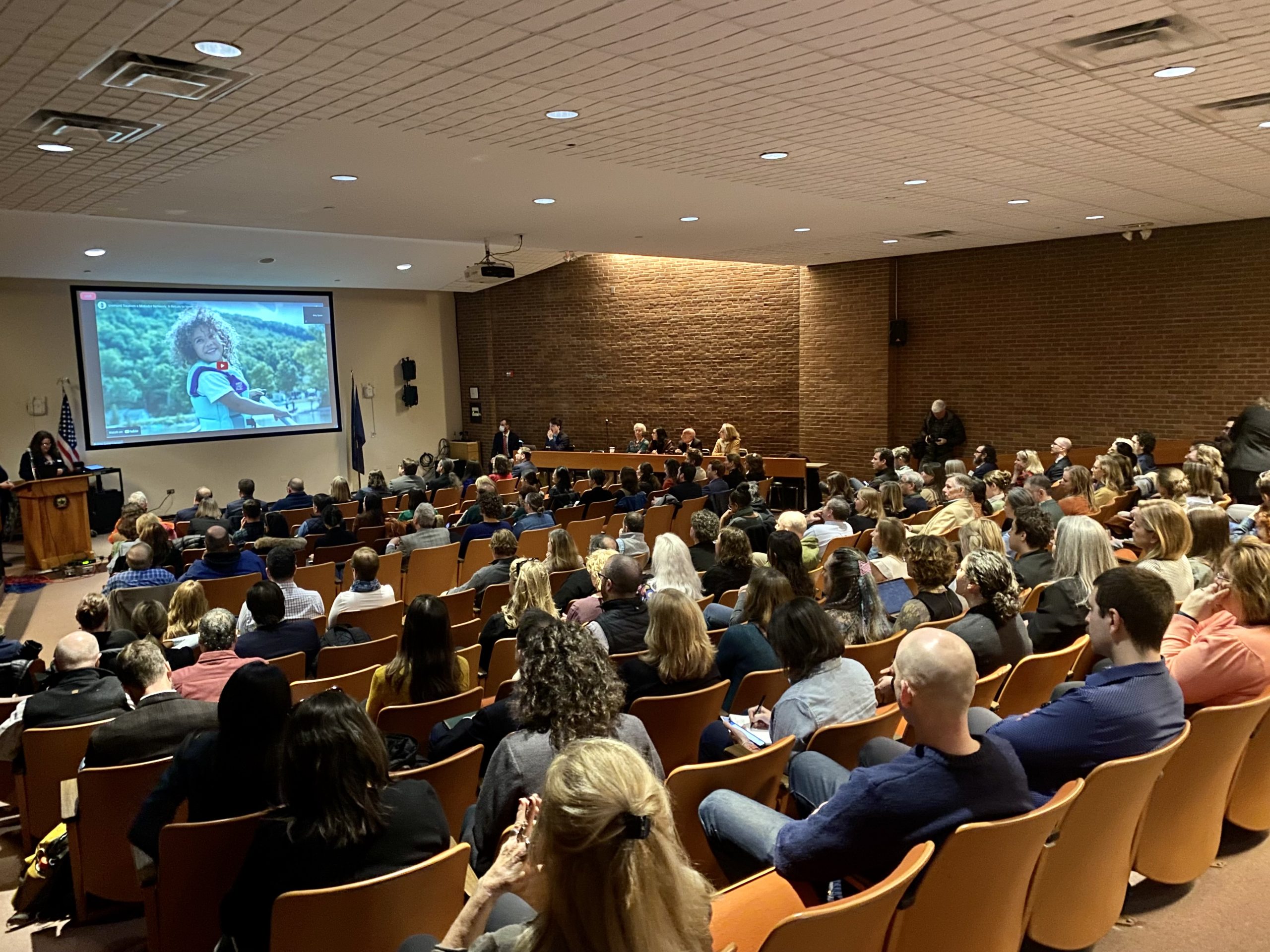
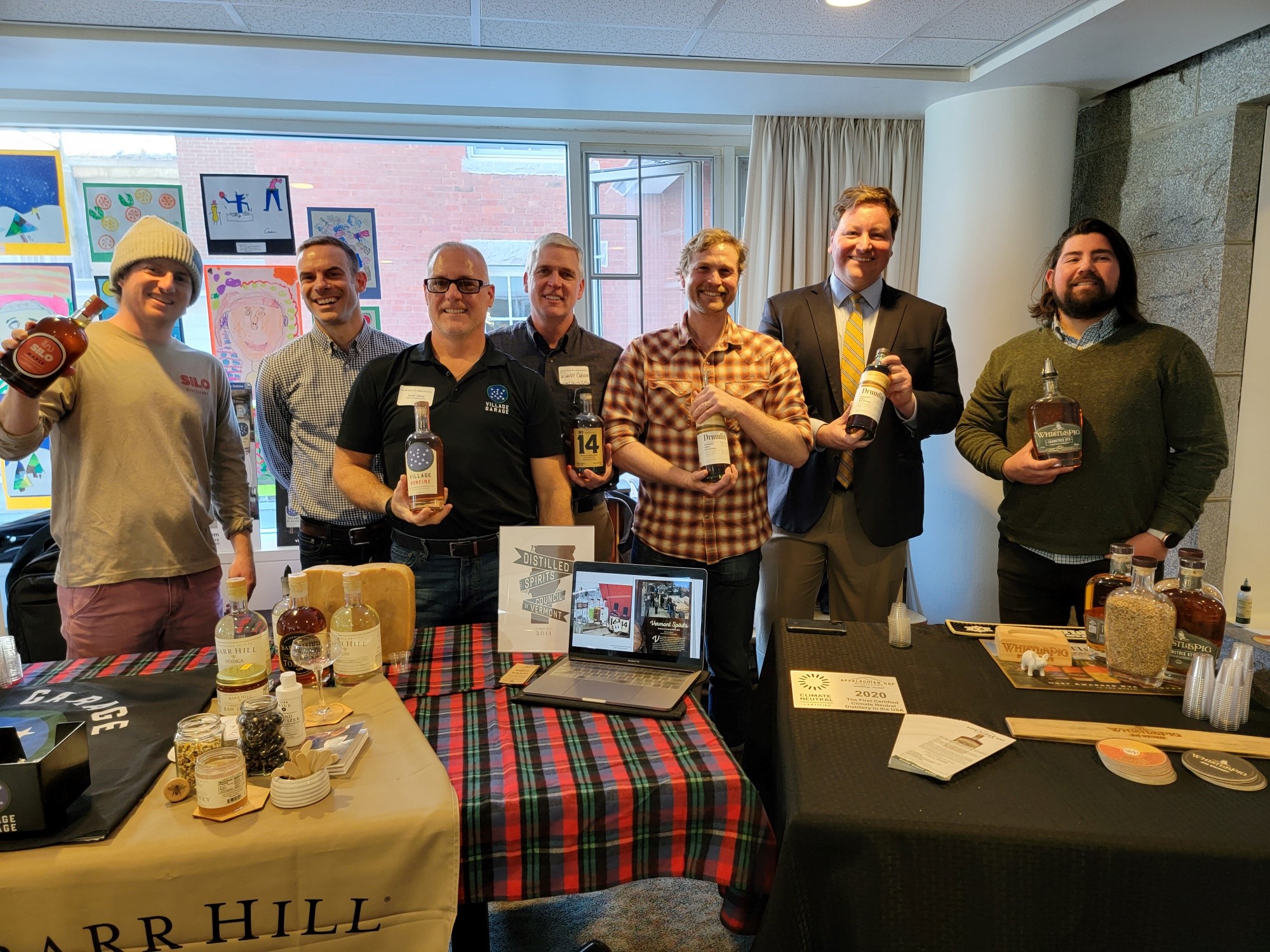
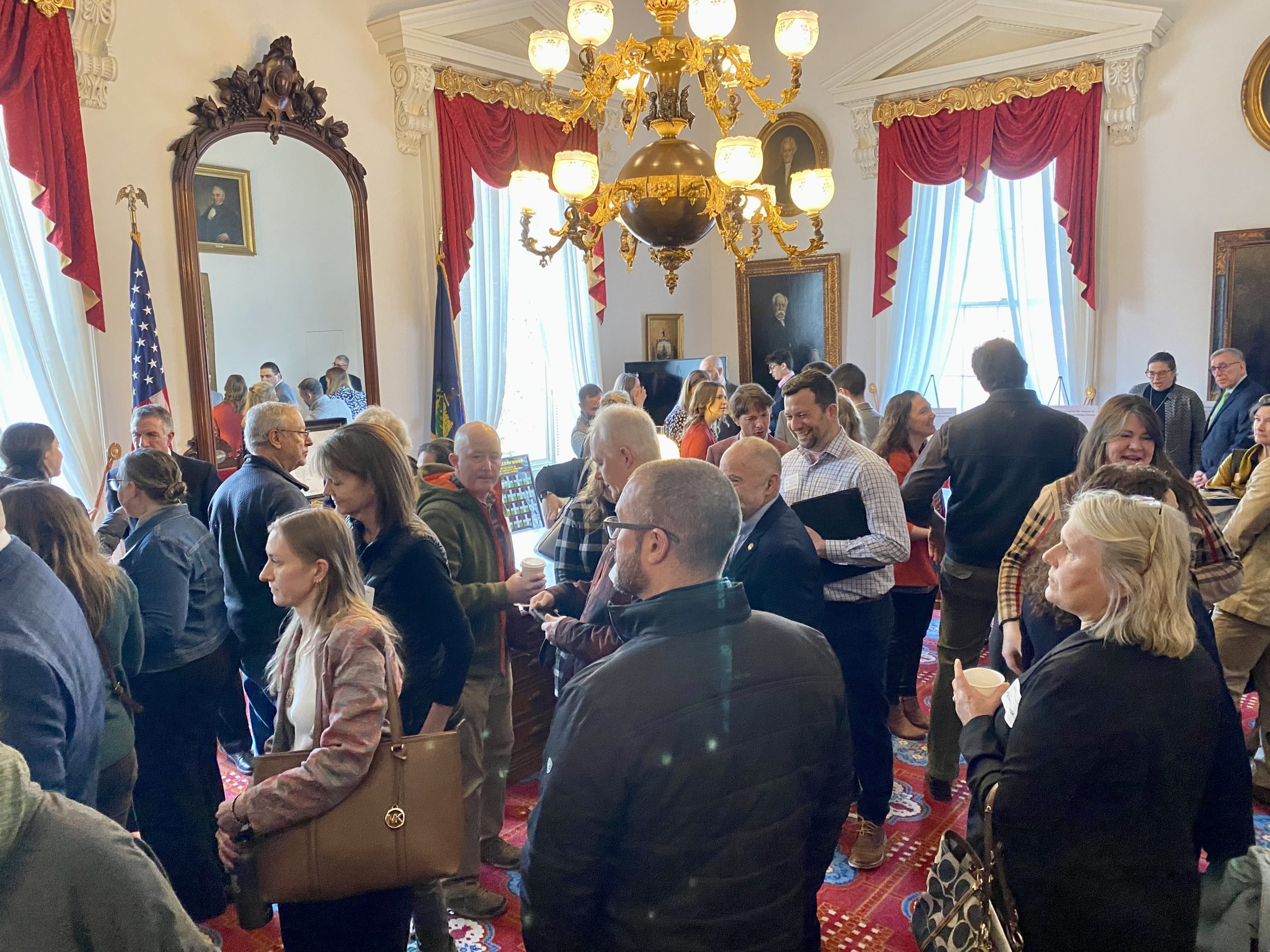
Following a pandemic hiatus, Tourism Day at the State House returned for the first time since 2020. Over 150 tourism and hospitality industry leaders were present throughout the day to engage with legislators and raise awareness of the collective contributions of these industries to the Vermont economy.

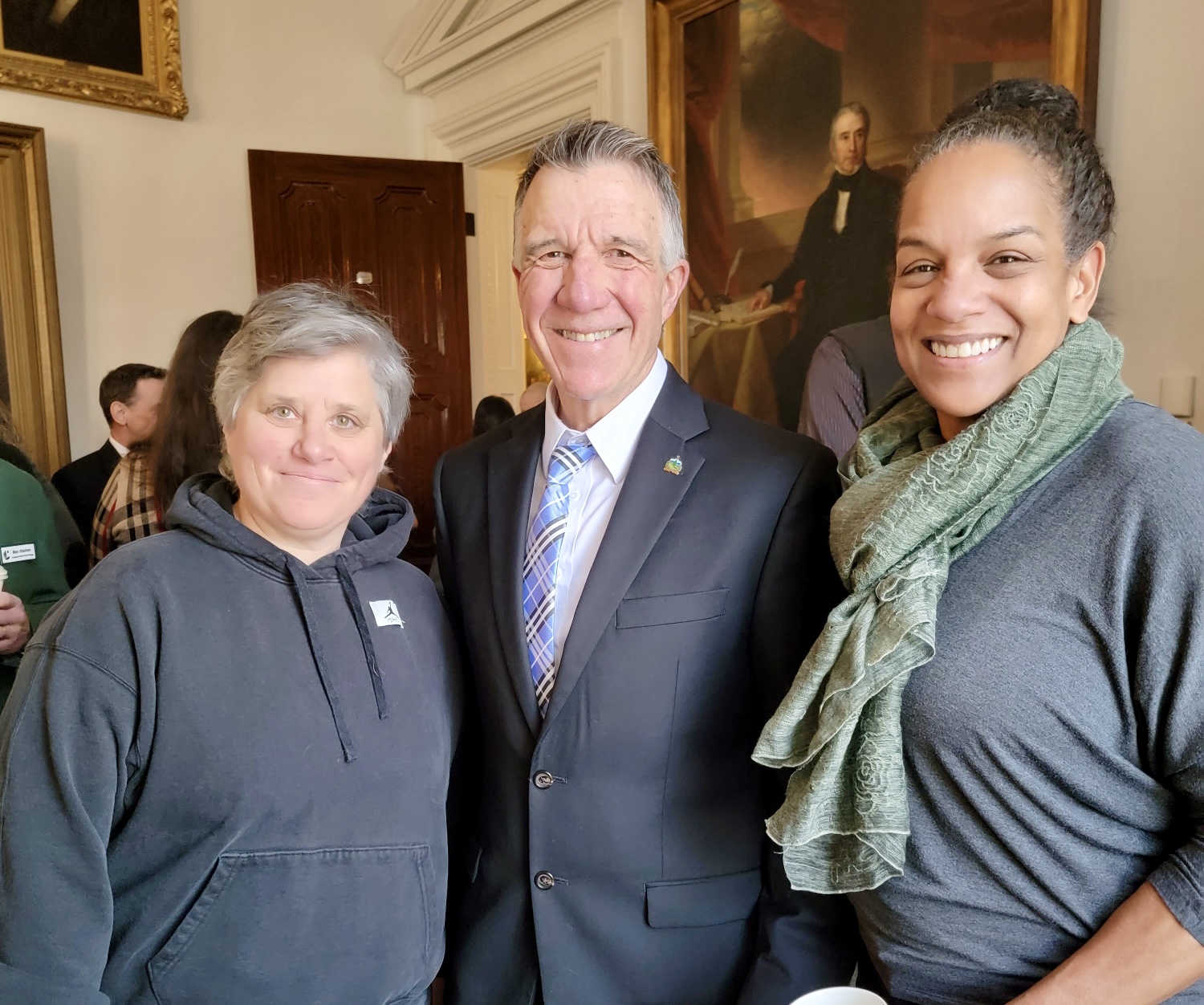
The day was centered on the Vermont visitor economy and destination stewardship and management. Business and policy leaders connected throughout the day during a coffee hour with Governor Scott, a joint hearing on the visitor economy with the House Commerce and Economic Development and the Senate Economic Development, Housing, and General Affairs Committee, and an evening reception.

Rep. Stephanie Jerome (Rutland-9), a stalwart supporter of the tourism industry, offered House Resolution, H.C.R.52. “The Vermont visitor economy is an incredible asset. It draws visitors to our towns, supports our local businesses, and is one of our largest employers. It generates tax revenues and creates jobs, it unlocks wide-ranging economic activity in both our rural and urban communities,” stated Rep. Jerome.

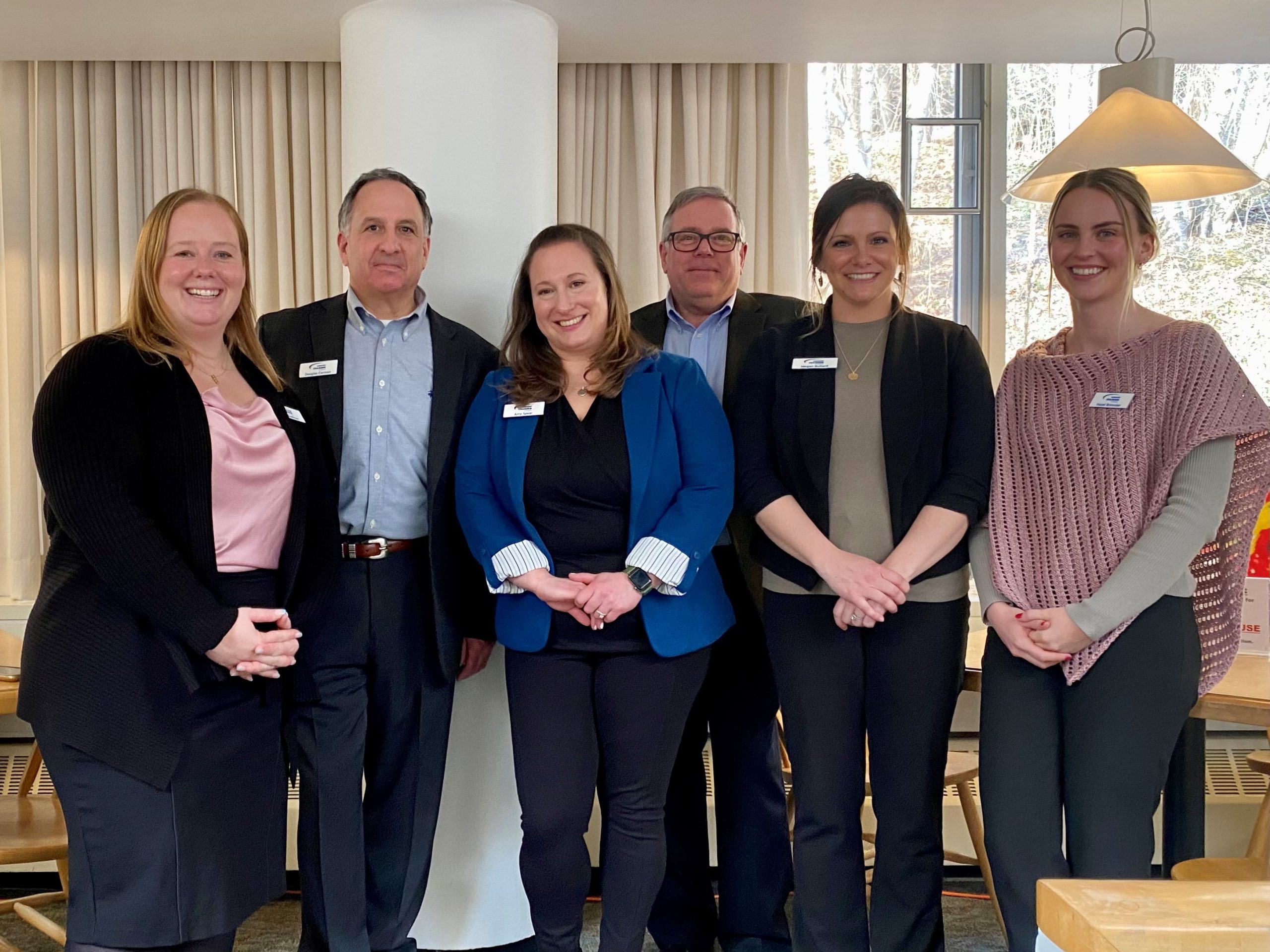
“The Vermont Chamber was proud to once again convene industry leaders for Tourism Day at the State House,” said Amy Spear, Vice President of Tourism for the Vermont Chamber of Commerce. “The Vermont visitor economy is an incredible economic asset for Vermont. 13 million annual visitors contribute $3.2 billion in spending and support over 30,000 jobs, 10% of Vermont’s total workforce.”

Business leaders reflected on the ongoing economic impacts of the pandemic and reinforced that collaboration is integral to the success of their businesses, and communities.

“We continue to find new ways to operate against the constant stresses of high labor and high food costs, a scarcity of applicants, continuing supply chain issues, and low margins. Even with these setbacks, many of us are optimistic,” stated Leslie McCrorey Wells of Pizzeria Veritas and Sotto Enoteca. “Like many of my restaurant peers, I feel a deep sense of commitment to the communities that surround and support our businesses, and I see the impact that our organizations and businesses have on the quality of life in Vermont.”

“Every part of our state was represented today because tourism is a vital economic driver that crosses many sectors,” stated Anna Rubin of Fairbanks Museum & Planetarium. “The Fairbanks Museum remains strong because of its connections with the community and recognizes that investments in our business have a wider impact on not only visitors but of the Northeast Kingdom at large.”

“The sense of community in Killington has become one of a kind. The resort and local businesses work together to speak with a unified voice and market the region together as a team,” stated Amy Laramie of Killington Resort and Pico Mountain. “I am grateful for the community in this industry and to be able to call a region where many people vacation, my home.”

Additional business leaders that testified in the joint hearing were Nick Bennette of Vermont Mountain Bike Association, Mimi Buttenheim of Mad River Distillers, Karen Nevin of Revitalizing Waterbury, and Kim Prins of Seesaws Lodge.

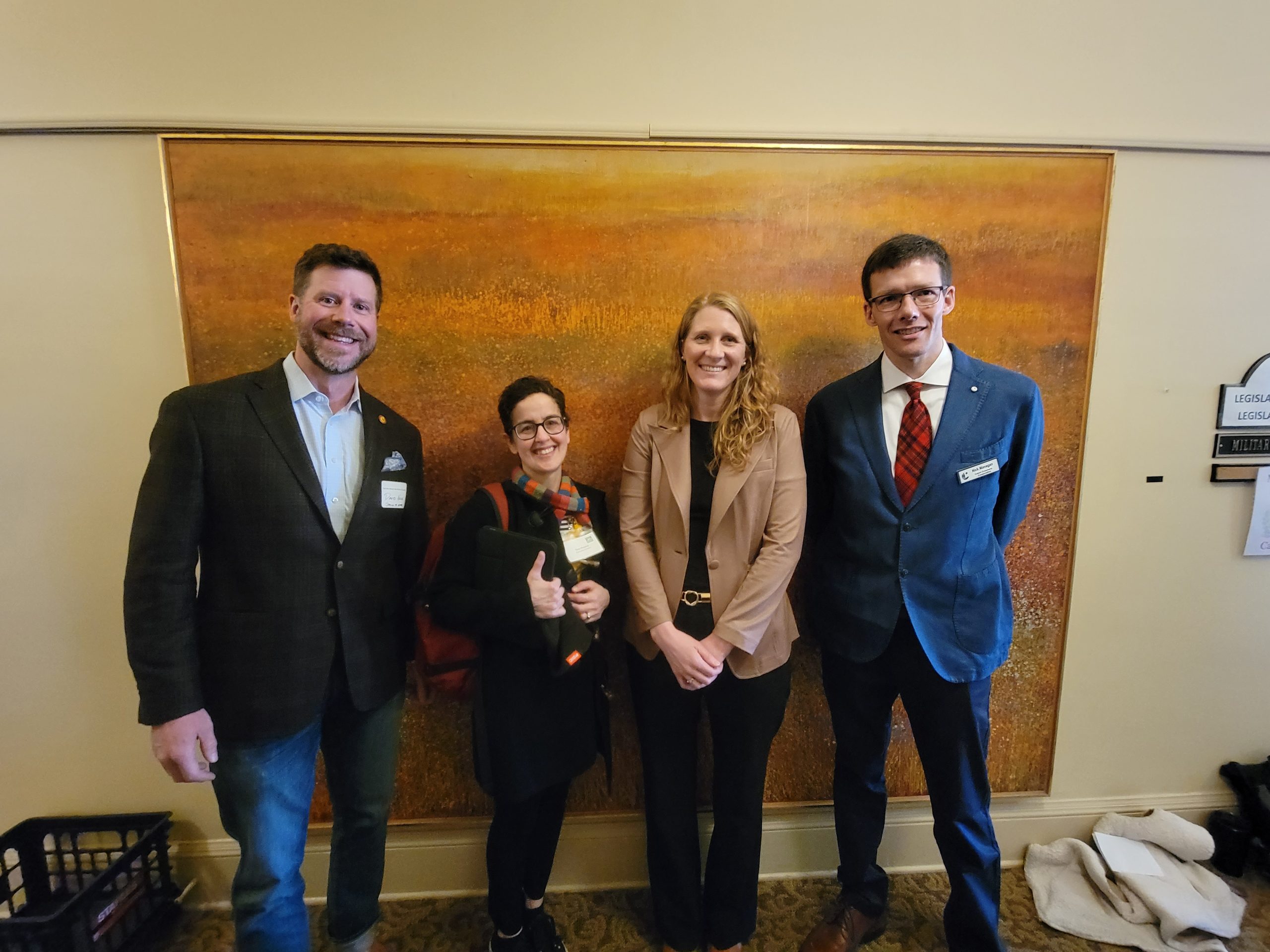
Industry leaders also testified in the House Agriculture Committee, including Tara Pereira of Vermont Fresh Network, David Keck of Stella Wines, Clara Ayer of Fairmont Farms, and Nick Managan of Cabot Creamery. Senate Education Committee received testimony from Molly Mahar of the Vermont Ski Areas Association and Jen Roberts of Onion River Outdoors.

The event was produced in partnership with several advocacy organizations, including Ski Vermont and the Lake Champlain Chamber of Commerce.
SHARE THIS ARTICLE

RECENT NEWS