State of the State

State of the State

Governor Phil Scott’s State of the State on January 7 focused on education and Vermont’s affordability challenge, highlighting a growing disconnect between rising costs and student outcomes. With one-time federal funds exhausted and federal uncertainty looming, the Governor emphasized fiscal discipline, accountability, and implementation, particularly in education, as essential to restoring affordability and predictability. The message was clear: Vermont can no longer sustain rising costs without corresponding improvements in outcomes. 


As the Vermont Chamber has shared with members and communities statewide, the Vermont Chamber supports policy that leads to strategic growth of people and places. As the state’s largest business advocacy organization, we focus on turning planning into policy and policy into progress. Through the Vermont Economic Action Plan and a data-informed, member-driven legislative agenda, the Chamber continues to advance affordability, opportunity, and long-term economic resilience. 


Rising public costs, especially in education, show up in immediate and tangible ways for businesses. Higher property taxes, constrained housing supply, intensified workforce pressures, and increased difficulty planning for the future are now common challenges. The Governor’s call to complete education transformation aligns directly with the Chamber’s first legislative priority, Economic Abundance Through Fiscal Stewardship, recognizing that bending the cost curve frees up resources for housing, infrastructure, and tax relief. 


The State of the State made clear that achieving those outcomes will not be easy or smooth. The Governor underscored that completing Act 73, last year’s education reform law, requires meaningful structural change, including district mapping and governance reform. He emphasized that the current system was built for a Vermont that no longer exists and signaled a willingness to use veto authority if reforms stall. 


House Democratic leadership, speaking at a press conference, reinforced a shared focus on affordability, housing, health care, and public education, while signaling a more cautious approach to implementation. Speakers emphasized transparency, data review, and continued engagement with Vermonters, noting that many details remain under consideration as the session begins. 


Legislative leaders, while reaffirming support for Act 73 and education quality, offered responses that suggested less alignment on timelines and tools. Questions around district mapping, spending thresholds, and property tax relief highlighted early tension with the Administration’s insistence that maps be treated as an essential next step, rather than a longer-term consideration. 


While there is broad agreement that change is required, success this session will depend on moving beyond shared diagnosis to shared execution. Education costs ripple through property taxes, housing affordability, workforce availability, and long-term competitiveness, underscoring the Chamber’s priorities around workforce and housing alignment and industry competitiveness. 

 

SHARE THIS ARTICLE

RECENT NEWS

Tourism Economy Day Brings Business and Policy Leaders Together at the State House

Tourism Economy Day Brings Business and Policy Leaders Together at the State House

Over 100 tourism and hospitality industry leaders gathered at the State House on April 10 to engage with legislators and raise awareness of the collective contributions of these industries to the Vermont economy. Tourism Economy Day, convened by the Vermont Chamber of Commerce, Ski Vermont and Vermont Specialty Food Association, brought businesses together to advocate for a thriving Vermont visitor economy.

The Vermont visitor economy has a $4 billion annual economic impact and represents 10% of our workforce. In 2023 alone, 15.8 million visitors spent $4.0 billion across lodging, dining, retail, entertainment, recreation, and more. Their spending also contributed $282.3 million in state and local taxes—equivalent to approximately $1,039 per Vermont household. Businesses, legislative leaders, and Administration officials collaborated for a day of advocacy that elevated the collective contributions of the visitor economy to Vermont. Advocacy day highlights included a joint hearing with the Senate Committee on Economic Development, Housing and General Affairs and House Committee on Commerce and Economic Development, a joint resolution recognizing April 10, 2025, as Tourism Economy Day, and an evening food and beverage tasting reception with the Vermont Specialty Food Association.

Rep. Abbey Duke (Chittenden-17), a stalwart supporter of the tourism industry, shared “Vermont’s tourism sector is a cornerstone of our state economy, generating billions in economic activity, supporting tens of thousands of jobs, and enriching our communities. It’s essential for legislators to support policies that foster sustainable growth in tourism, including investments in infrastructure, housing, workforce development, and supporting local businesses.”

“A thriving tourism economy means vibrant communities and a chance for everyone—whether you’re a local or a visitor—to experience the very best of Vermont. However, the industry is facing challenges echoed by so many across the state: an aging declining workforce and a critical housing shortage.” said Amy Spear, President of the Vermont Chamber of Commerce. “It’s crucial that we find a path towards affordability and abundance, improving economic conditions. Vermont’s beauty and charm are undeniable, and together, we can create an environment where both our tourism industry and our communities can thrive for generations to come.”

Business leaders highlighted the following sentiments in their testimonies: the role of tourism supporting Vermont’s economy and communities, the industry’s centrality in providing jobs and making Vermont an appealing destination to both live and visit, and the collective challenges facing businesses in the industry, including: workforce shortages, workforce housing accessibility and affordability, rising taxes and high operating costs and a strained relationship with Canadian neighbors due to federal rhetoric.

“Outdoor recreation is a significant part of Vermont’s tourism economy, driving visits and fueling the economy in many rural parts of our state. In 2023, outdoor recreation accounted for 4.8% of the state’s GDP, or $2.1B annually, and 5.1% of the state’s workforce, according to the US Bureau of Economic Analysis,” said Molly Mahar, President of Vermont Ski Areas Association. “Vermont ranks second only to Hawaii in percent of GDP generated by outdoor recreation, which is largely driven by activities like skiing, snowboarding, hiking, mountain biking, and camping. However, businesses are grappling with workforce and housing shortages, higher costs, and new uncertainty around Canadian visitation levels, which limit growth.”

Additional business and policy leaders that testified were Nina Ridhibhinyo, Director of Programs & Strategy at ECHO, Leahy Center for Lake Champlain, Randy George, Owner of Red Hen Baking Co., Québec Delegate Rene Sylvestre of the Québec Government Office in Boston, Will Kriewald, CEO of Basin Harbor Resort and Boat Club, Abby Long, Executive Director of Kingdom Trails, Kate Trzaskos, Executive Director of Downtown Brattleboro, Vicky Allard, Founder and Executive Chef at Blake Hill Preserves, Steve Wright, President/General Manager at Jay Peak Resort, and Kim Jackson, Director of Communications and Marketing at Vermont Adaptive.

The day ended with a Vermont Specialty Food Association Legislative Tasting, featuring vendors from across Vermont. Karin Cioffi, Executive Director of VSFA shared, “Vermont’s specialty food and beverage producers are a cornerstone of the state’s identity and a driving force behind the visitor experience. Tourists don’t just come for the views, they come to taste Vermont. From handcrafted cheeses to small batch spirits, these products represent the passion, innovation, and resilience of our local businesses. Our evening tasting event at the State House showcased the incredible talent of producers across the state and underscored just how vital this industry is to Vermont’s economy, culture, and continued appeal as a destination.”

Photo Credit for Images 3 and 4: Blake Hill Preserves

Vermont Chamber Advocates for Economic Growth and Housing Solutions 

Vermont Chamber Advocates for Economic Growth and Housing Solutions

The Vermont Chamber advocacy team engaged with both House and Senate committees to outline priorities aimed at fortifying Vermont’s economy. Discussions centered on housing affordability, workforce challenges, regulatory reforms, technology, and positioning Vermont as a premier relocation destination. 

Tourism and manufacturing were highlighted as economic pillars, each contributing $3 billion annually and employing thousands of Vermonters. The Chamber’s Foundation, the Vermont Futures Project, was spotlighted for its focus on long-term economic planning, ensuring these critical sectors continue to drive statewide prosperity. 

Housing availability and affordability took center stage as a pressing concern. The Chamber will continue advocating for meaningful reforms to reduce construction costs, improve infrastructure, and expand access, emphasizing the importance of addressing Vermont’s demographic challenges and workforce gaps to sustain economic vitality. 

The Chamber emphasized the integral connection between business growth and wage growth, presenting data that reinforces the need for collaborative efforts to support businesses. Economic development remains a priority for the Vermont Chamber, and the team is poised to work alongside lawmakers to ensure businesses have the resources and environment necessary to thrive. 

To bolster advocacy efforts surrounding technology issues, the Vermont Chamber introduced attorney Josh Diamond from Dinse, who the Chamber has hired on retainer. With his extensive legal expertise and six years of experience as Vermont’s Deputy Attorney General, Josh will provide critical insights and representation for Vermont’s business community on emerging technology challenges. 

The team will do additional introductions next week and will dive into expert testimony on legislation. Through proactive collaboration with lawmakers, stakeholders, and industry leaders, the Vermont Chamber continues to champion policies that advance Vermont’s economy and enhance quality of life for all. 

SHARE THIS ARTICLE

RECENT NEWS

Rental Registry Relegated to a Study

Rental Registry Relegated to a Study

A bill that would have created a statewide rental registry was amended by the House Ways and Means Committee to fundamentally stall the bill and delay the intended progress toward equity in the lodging industry and data to aid housing solutions until next session. Before being amended, H.276 would have been a step forward to leveling the playing field for the lodging industry by ensuring a safe rental environment, moving towards equity in the lodging marketplace, and providing information for future pragmatic policy decisions. 

The Vermont Chamber will continue to be engaged on this issue throughout the remainder of the session and is expected to testify further. 

SHARE THIS ARTICLE

RECENT NEWS

Statewide Rental Registry Would Address Lodging Equity and Aid Housing Discussions

Statewide Rental Registry Would Address Lodging Equity and Aid Housing Discussions

Legislation that would create a rental housing registry is in consideration by the House General and Housing Committee. The Vermont Chamber testified on H.276 this week in support of a statewide registry, noting that the bill would collect the basic information necessary to provide data for future conversations on enforcing health and safety regulations for short-term rentals (STRs). The Vermont Chamber has been a strong advocate for equity in the lodging industry as well as the need to address how STRs are contributing to the housing shortage.  

Data from a 2020 report to the legislature on the impact of short-term rentals (STRs) highlighted the impact on available housing stock. Since then, the state of housing has only worsened. For the lodging industry, the registry would be a step forward to leveling the playing field by ensuring a safe rental environment, moving towards equity in the lodging marketplace, and providing information for future pragmatic policy decisions. 

SHARE THIS ARTICLE

RECENT NEWS

H-2B Returning Worker Exemption Act​

H-2B Returning Worker Exemption Act
Earlier this month, the Department of Labor (DOL) announced that it had received requests for more than 136,000 H-2B workers and there are only 33,000 available under the congressionally authorized statutory cap. Many hotels rely on the H-2B program to augment their domestic workforce during their peak season to ensure they can operate at full capacity. With ongoing concerns due to OMICRON and COVID-19 pandemic, combined with an acute workforce shortage, access to H-2B visas are more crucial now than ever before especially for the lodging industry. 
 
The recently introduced H-2B Returning Worker Exemption Act would provide a returning worker exemption and increased integrity measures to strengthen the H-2B visa program. Act now to urge your representative to co-sponsor the H-2B Returning Worker Exemption Act.

Will There Be Equity in the Lodging Industry?

Will There Be Equity in the Lodging Industry?

In July, Governor Scott vetoed S.79, an Act Relating to Improving Rental Housing and Safety, which included a short term rental (STR) registry. There was wide disappointment in this action from both advocates and legislators. As a long-time lodging advocate, the Vermont Chamber sees a registry as the next step toward equity and ensuring a safe rental environment.

While the House and Senate will not be attempting to override the Governor’s veto, legislators and advocates have returned to the drafting table to collaborate on a new iteration of the bill which will include efforts to address concerns expressed by select legislators and the Administration. Contact Vermont Chamber Vice President of Tourism Amy Spear with questions.

Feel Fall in Vermont

Feel Fall in Vermont

By Vermont Chamber Vice President of Tourism Amy Spear

Have you ever picked crisp apples fresh from an orchard, been surrounded by bright red and orange mountains, or hiked through a towering corn maze?
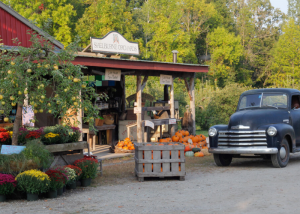


In Vermont, you can do all that and more on an ordinary fall day. This year, visitors can enjoy the season in a distinctly Vermont way – with activities and attractions that draw in people from around the globe.

Our state has options everyone will love.

  • Delicious food and drink

After shopping and cider sampling at Cold Hollow Cider Mill in Waterbury, enjoy a meal at Apple Core Luncheonette & Brew, which offers homemade breakfast and lunch seven days a week.

Stop by Citizen Cider’s Tasting Room in Burlington for flagship hard ciders and seasonal limited releases, all made from apples sourced locally. The full food menu has something for everyone, featuring items made with their infamous cider.

  • Stay somewhere serene

The Essex Resort & Spa, a centrally located luxury resort, is the perfect home-base for exploring Vermont in the fall from north to south. End the day at on-site restaurants or spend an afternoon unwinding at the spa.

Or stay at Manchester’s Equinox Golf Resort & Spa. Located in the heart of the Green Mountains, this iconic resort is steeped in history. Surrounded by natural landscapes, this destination is beautiful in every season, but is especially stunning during fall.

  • Get active in fresh air

Featuring one of the best corn mazes in the state, kids and adults of all ages enjoy hiking through the towering corn at Hathaway Farm in Rutland and the challenge of solving a maze.

Shelburne Orchards

Enjoy apple picking and cider donuts while taking in the view of Lake Champlain on Shelburne Orchards’ 60-acre family owned and operated apple orchard.

You can also use our trip planning tool at VermontVacation.com to narrow your search and discover unique accommodations, restaurants, attractions, and recreation.

If you’re traveling, why not visit the most vaccinated state in the country?

Last month, Vermont had the highest vaccination rate in the country. If you’re going to travel this fall, why not come to one of the safest states in the nation?

Vermont has a tradition of welcoming visitors to our state. In the wake of Covid-19, the state continues to offer safe travel guidance to visitors and Vermonters. Before you come, take a few minutes to learn what our state leaders are recommending regarding masking and physical distancing.

Community care is at the heart of Vermont life. When you visit, we know you’ll feel the Vermonter spirit in our safety measures and in every smile and wave.

While you stay, play with us by sharing on social media with hashtags #ThisIsVT and #VermontFall.

We would love to see and share your photos this fall. The Vermont Chamber of Commerce tourism team will share your Instagram posts in our stories from our Visit Vermont account.

We’ll also be creating an album with your photos on our Facebook page.

Every year, Vermont sees more than 13 million visitors to the state.

As you plan your visit, be sure to check your plans carefully by reading updates on lodging and business websites. Due to staffing shortages, their hours of operation and policies may have changed.

We are so excited to welcome you to Vermont.

Amy Spear, of Killington, is the Vice President of Tourism at the Vermont Chamber of Commerce, whose mission is focused on creating an economic climate conducive to business growth while enhancing Vermont’s quality of life.

Vice President of Tourism Amy Spear on S.79 Veto

Statement from Vermont Chamber Vice President of Tourism Amy Spear on S.79 Veto

Montpelier, VT (July 2, 2021) –

“We are surprised and disappointed by Governor Scott’s veto of S.79. The Administration did not indicate they had a serious problem with the bill, which had a wide range of supporters, at any point during the 2021 legislative session. The sudden change of course is difficult to understand, considering several Administration officials publicly offered support [1] for the legislation over the last few months.

S.79 would have ensured a safe rental environment while also moving Vermont toward greater regulatory equity in the lodging marketplace. As an example, licensed lodging properties were subject to onsite visits from officials throughout the pandemic for compliance checks. Short-term rentals (STR) were exempt from this because they are permitted to operate anonymously; owners could not be contacted and there is no system in place for open lines of communication with the State. With thousands of STR units in Vermont, we believe it is important that these property owners receive communications on how to ensure the health and safety of the traveling public.

Vermont’s lodging businesses have suffered disproportionately throughout the pandemic, yet they have been public health champions. The passage of this bill would have provided a glimmer of hope for licensed lodging properties and would have demonstrated that the Administration understands the need to level the playing field for businesses providing overnight accommodations. The Vermont Chamber will continue advocating for the establishment of an STR registry when the Legislature reconvenes.”

____________________________________

About the Vermont Chamber of Commerce

The largest statewide, private, not-for-profit business organization, the Vermont Chamber of Commerce represents every sector of the state’s business community. Its mission is to create an economic climate conducive to business growth and the preservation of the Vermont quality of life.

# # #

[1] A review of recorded testimony offered by the Administration shows Department of Housing and Community Development Housing Program Administer Shaun Gilpin explaining the benefits of the bill for BIPOC homeownership and saving costs through the establishment of a rental registry and Department of Health Public Policy Advisor Shayla Livingston explaining the Department had no objections to the bill. These are just two of several examples of Administration officials speaking favorably of the bill.

Legislature Sends Lodging Bill to Governor

Legislature Sends Lodging Bill to Governor

The Legislature passed S.79, a lodging bill that would establish a statewide short-term rental (STR) registry. The bill was messaged to the Governor’s office where it awaits further action.

The Vermont Chamber has long believed that registration of STRs is a necessary first step to improve communication while also providing valuable data if, in the future, the State chooses to enforce health and safety regulations like those implemented to protect public health during the pandemic. The foundation set by establishing a STR registry would be a positive development toward ensuring a safe rental environment and moving towards equity in the lodging marketplace.

Prior to the bill’s passage in the Legislature, the Vermont Chamber sent a letter to the full Senate expressing support for S.79. Governor Scott has recently voiced concern over the legislation, and it is unknown whether he will allow the bill to become law.

If the Governor vetoes the bill, the Legislature will likely attempt to override the veto when they reconvene in October or January. Contact Vermont Chamber Vice President of Tourism Amy Spear with questions or for assistance with contacting Governor Scott to voice your support for S.79.