


House Overrides Bottle Bill Veto

House Overrides Bottle Bill Veto

The House voted to override a veto on last session’s “bottle bill,” setting a new trajectory for beverage container management and raising concerns for manufacturers, distributors, and retailers alike. The bill has the potential to disrupt existing recycling infrastructure with an increase in handling fees and the required participation in producer responsibility organizations. The widened scope of the bill could strain current systems, leading to inefficiencies and increased financial burdens on taxpayers.

The bill rewrites the state’s recyclable beverage container redemption law, redefining the scope of “beverage” and “container,” to incorporate an extensive range of liquid products. It includes the introduction of a 5-cent refund on water and sports drink bottles while imposing a 15-cent deposit on wine bottles by 2027. Additionally, it mandates that manufacturers and distributors take part in a producer responsibility organization that is tasked with managing the collection and disposal of these containers.

House Commerce Committee Hears Economic Data from Vermont Future’s Project
House Commerce Committee Hears Economic Data from Vermont Future’s Project

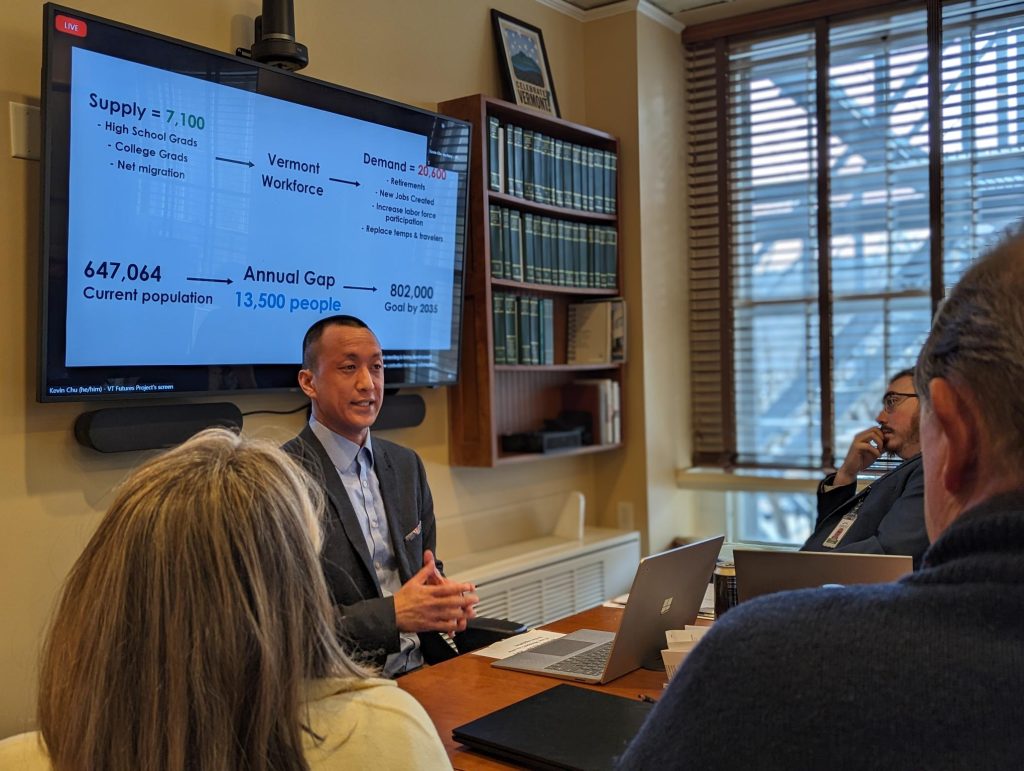
The first testimony of the session in the House Commerce and Economic Development Committee was from the Vermont Chamber’s foundation, the Vermont Futures Project. Kevin Chu, the Executive Director, presented data on the need to increase the Vermont population to 802,000 by 2035 and housing inventory to 350,000 non-seasonal units by 2035. Members of the committee agreed that we need a new story for Vermont, one that encourages more people to live and work here.

Legislators, many of whom connected with the Vermont Futures Project in recent months during the statewide tour to inform the 2024 Economic Plan for Vermont, expressed enthusiasm for finding innovative solutions to recruit people to live and work in our state. The Vermont Chamber will be working with legislators this session to identify and advance policy solutions to our workforce crisis. In particular, we will continue to advocate on the need for a sustained multi-year investment to expand our image beyond a travel destination. This must be additional funding so that it complements the revenue from our tourism economy, instead of restricting it. This strategic approach to elevate Vermont’s achievements to combat our declining demographics will pay dividends for Vermonters, communities, and state revenue.
Shared Priorities Central in Governor’s State of the State

Shared Priorities Central in Governor’s State of the State

Governor Phil Scott’s address to the General Assembly set the stage for a legislative session that has significant opportunities for collaboration between legislators and the Governor on issues that are top of mind for businesses. Both have said that housing solutions and climate recovery and resiliency measures top their priority lists.

Workforce housing and recovery and resiliency are two pillars of the 2024 legislative business priorities. The Vermont Chamber is continuing to work on solutions for modernizing Act 250 to increase housing development and is encouraging legislators to establish a statutory goal for housing supply. We are also at the table advocating for the replenishment of business recovery programs following this year’s flood disasters and supporting work that prioritizes resiliency measures to help secure stability for the Vermont business community.

As anticipated, Governor Phil Scott’s State of the State address echoed his longstanding commitments to the economic well-being of Vermont and fiscal responsibility. For the past decade, the Vermont Chamber has worked to put a spotlight on Vermont’s severe demographic challenges and Governor Scott expressed his shared deep concern about the accumulating impacts on our workforce, reiterating that “the biggest obstacle we face to economic sustainability, is a shrinking workforce.” The Governor also shared that his proposed budget this year will have a modest 3% increase. The Governor will return to speak to the General Assembly again in three weeks with details on his proposed budget.

Flood Recovery and Resiliency the Central Issue for Legislators

Flood Recovery and Resiliency the Central Issue for Legislators

Committees in both the House and Senate took testimony this week on the July flooding and the ongoing impacts of climate change in Vermont. Discussions in the Senate Economic Development, Housing, and General Affairs Committee highlighted the connection between housing challenges and climate impacts. Encouragingly, the focus was not solely on where not to build, but also on identifying suitable areas for development. Witness testimony stated that the triumph of Irene was the reopening of roads and bridges, while the triumph from the July flooding needs to be the building of new housing outside of floodplains.

In a joint hearing, the House Environment and Energy Committee collaborated with the House Transportation Committee to also address flooding and climate resilience concerns. The discussion focused on conserving and restoring landscapes, including wetlands and floodplains, to mitigate storm impacts. Notably, nature-based solutions were recognized for their dual benefits in reducing flood risk and enhancing community recreation. The Vermont Chamber will be advocating for continued resources for flood-impacted businesses and for policies that increase resiliency while also building housing.  

The Wellspring Forum Connects Senator Peter Welch with Business Leaders
The Wellspring Forum Connects Senator Peter Welch with Business Leaders
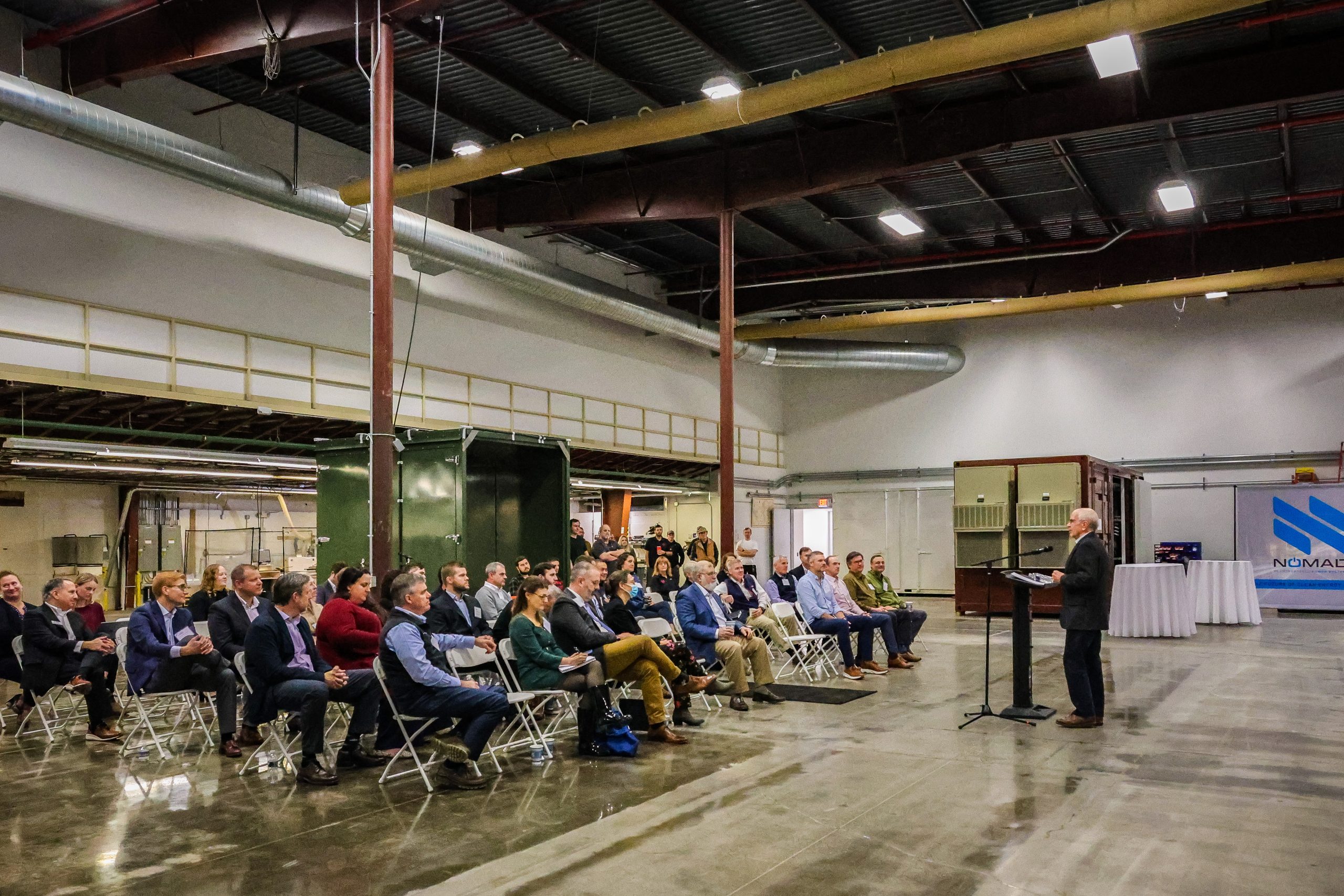
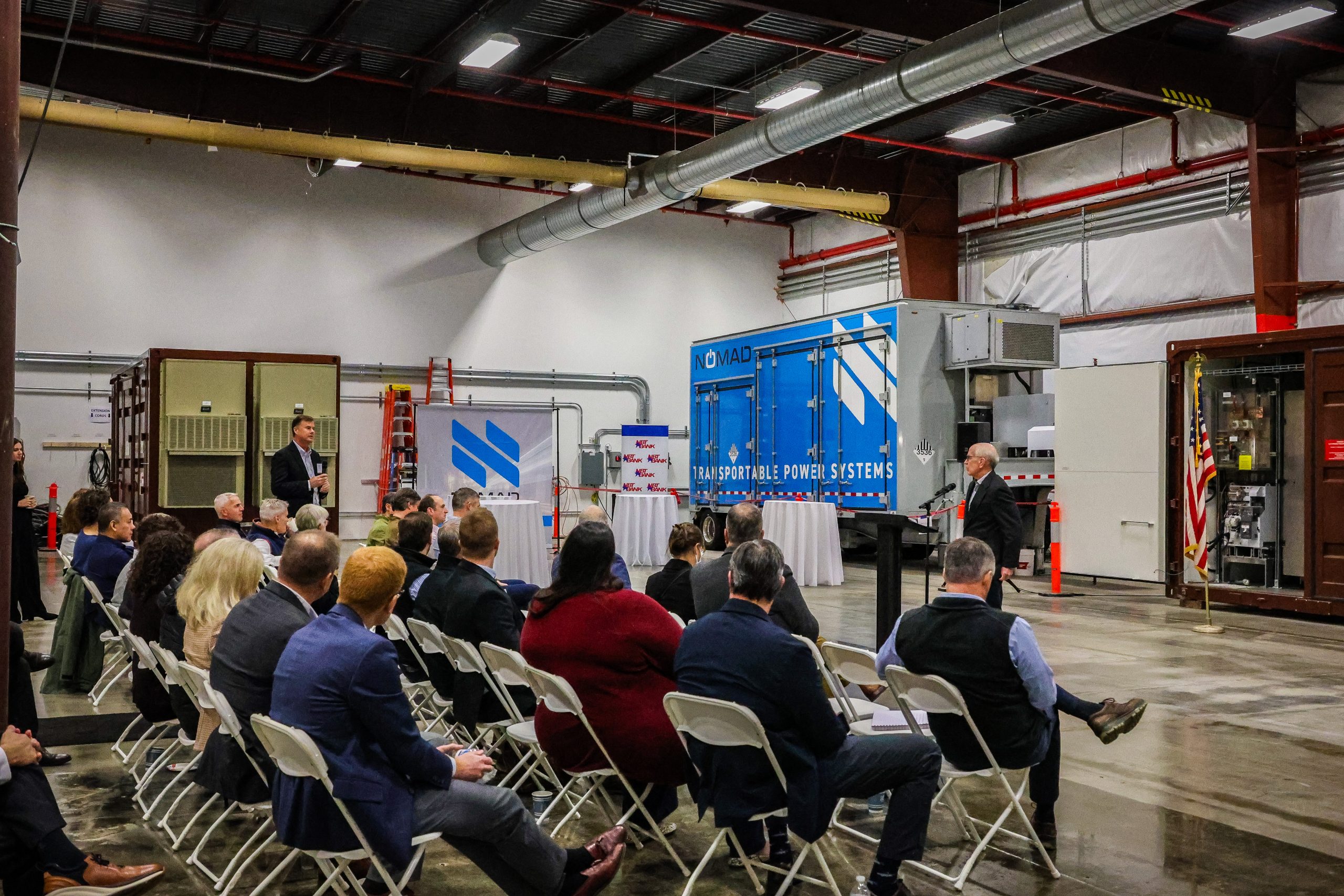
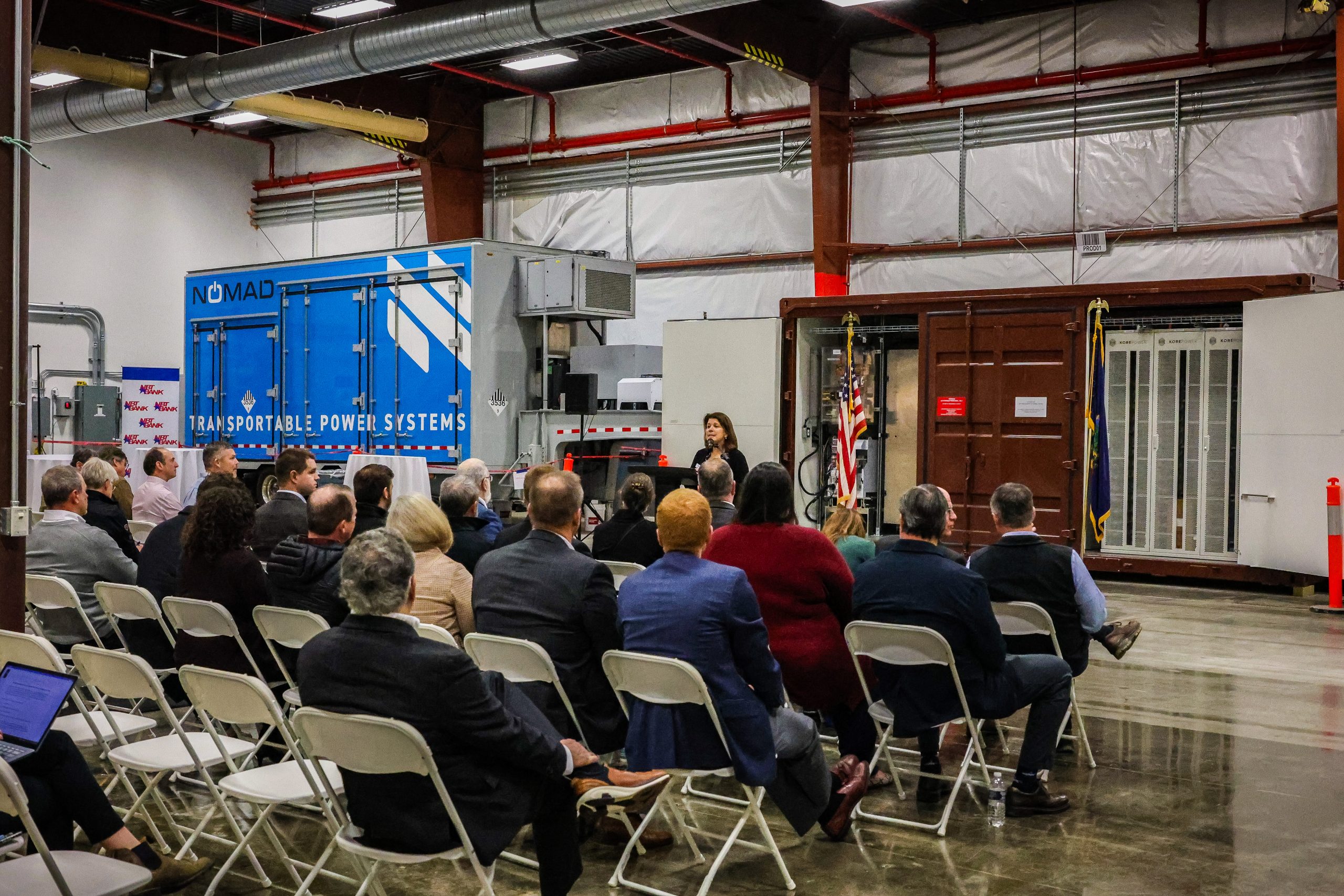
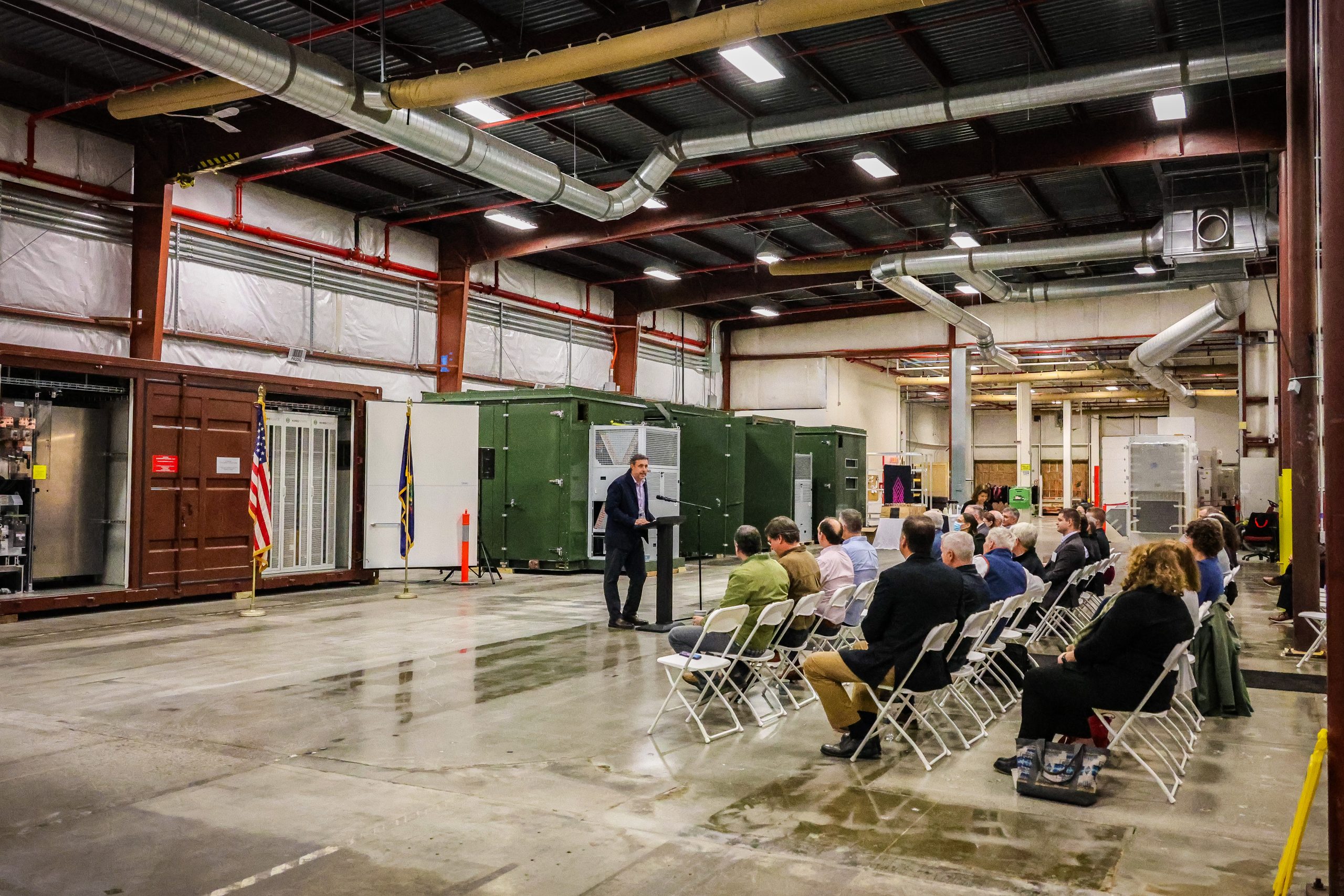
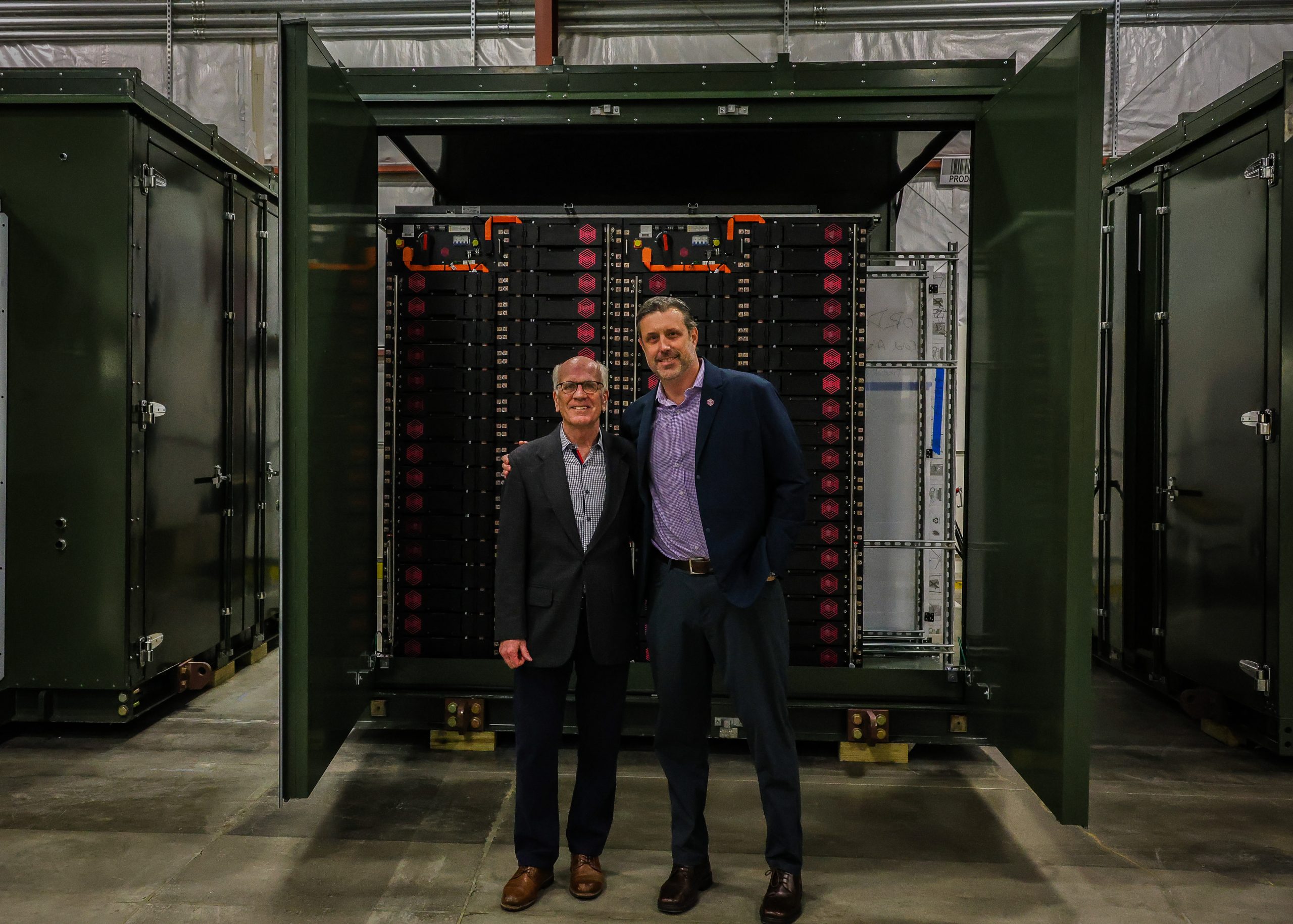
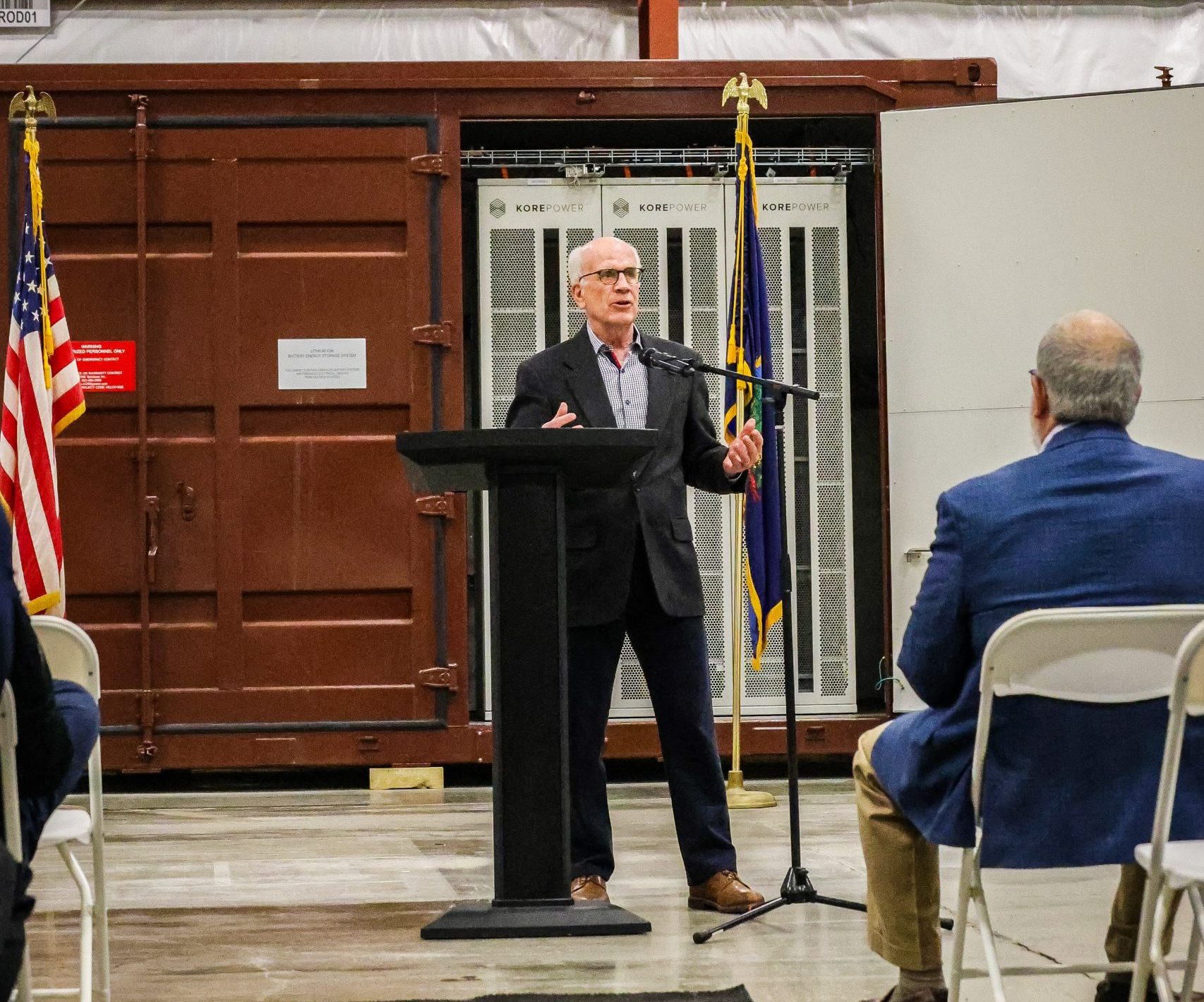
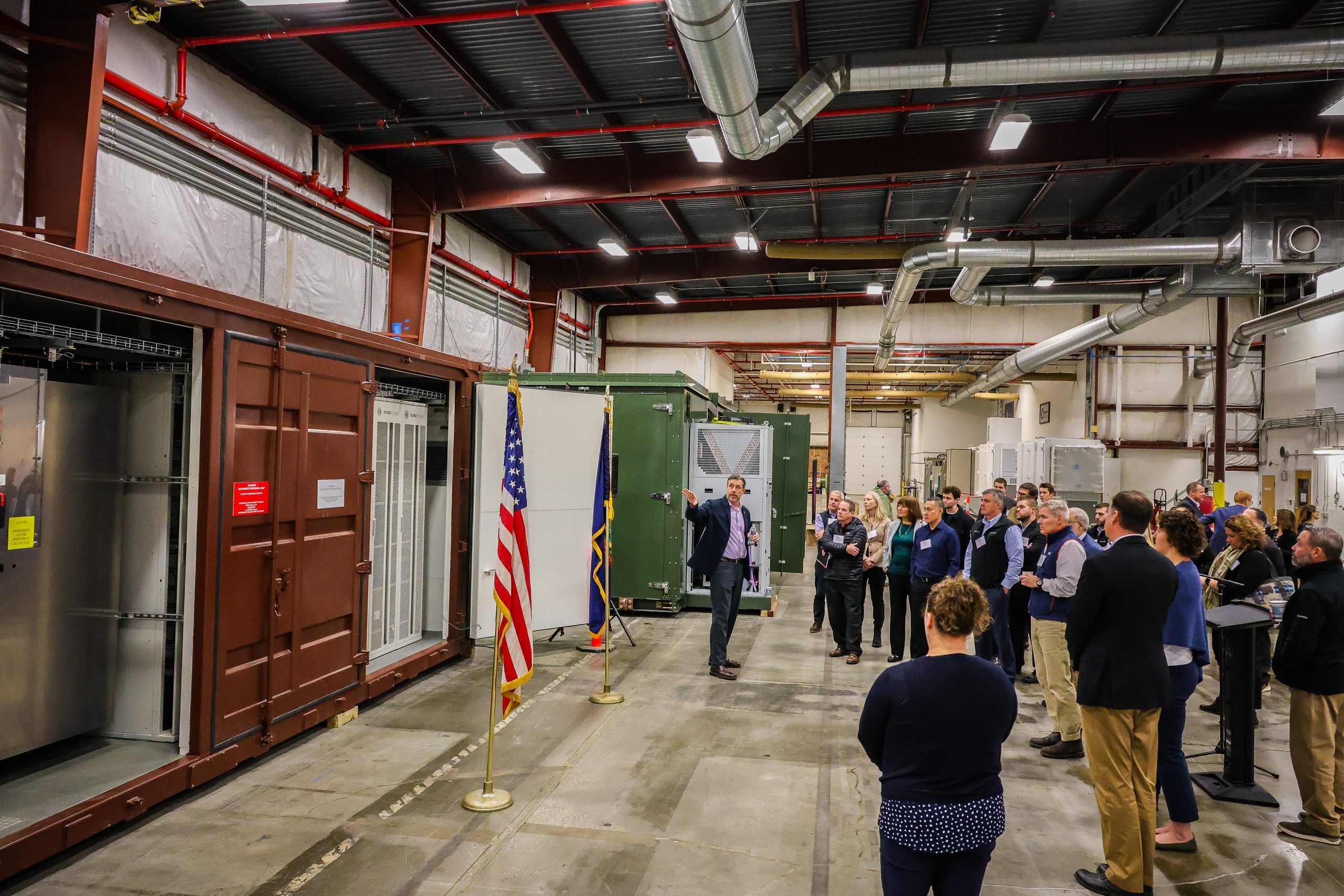
Senator Peter Welch addressed the Vermont Chamber Board of Directors and other Vermont business leaders at the Wellspring Forum series which was held at KORE Power in Waterbury. The event series, hosted by the Vermont Chamber, regularly brings together top Vermont business and policy leaders for robust economic discussions. Each event takes place at a unique Vermont business and is moderated by Vermont Chamber President, Betsy Bishop.

“The Vermont Chamber is proud to build on our record of advancing the Vermont economy by connecting Vermont business leaders with Senator Welch and facilitating an opportunity for robust policy discussions,” stated Bishop. “We remain grateful for Senator Welch’s willingness to meet businesses where they are, and for taking their concerns back with him to Washington D.C.”

Senator Welch was in person at the facilities of KORE Power to answer audience questions and address employer concerns. Business leaders asked the Senator to speak to opportunities for federal solutions on middle-income workforce housing, affordability, immigration, and other national economic stability concerns. The Senator also applauded the leadership of Vermont businesses on climate security and innovation.

“The Vermont Chamber’s Wellspring Forum provided the opportunity to hear directly from business owners about so many issues that are directly impacting Vermont’s business community. We discussed the importance of providing targeted disaster relief to businesses impacted by the brutal flooding this summer, efforts to strengthen our workforce, our continued fight to combat climate change, and federal actions to expand access to health care and childcare,” said Senator Welch. “I will continue to bring the voices and concerns of Vermonters with me to Washington and keep working to level the playing field here in the Green Mountain State.”

Following the forum, business leaders from across Vermont toured the KORE Power facility to learn more about the leading U.S.-based developer of battery cell technology and integrated solution manufacturer for the energy storage and e-mobility sectors.

“As New Englanders, we’re particularly proud to engineer solutions that advance energy independence and reliability,” said KORE Power President Jay Bellows. “With Senator Welch’s support of federal policies like the IRA, solutions built by our team here in Vermont that deliver those benefits are in demand across the nation.”

The event title is inspired by Governor James H. Douglas’ quote; “I am often reminded that the wellspring of Vermont liberty flows from Main Street, not State Street.”

This Wellspring Forum was made possible by the support of the following sponsors:

Solutions for Recruiting and Retaining Workers

Solutions for Recruiting and Retaining Workers

The Vermont Chamber continues to focus on the workforce crisis. While there is no easy fix, there are a variety of new or expanded tools being offered by Vermont for training, housing, and childcare that are available for employers to use or workforce recruitment and retention tools.

Recruitment

  • Military Retiree Pension Tax Exemption: Recruit retired military veterans with Vermont’s new partial exemption of retired military pensions which will exempt the first $10,000 of military retirement pay from state personal income tax.
  • Social Security Tax Exemption: Recruit workers into the workforce who are currently taking Social Security with Vermont’s increased personal income tax exemption for Social Security beneficiaries.
  • Recent College Graduate Forgivable Loans: Entice students at Vermont higher education institutions to become employees through forgivable loans available to students committing to work in Vermont for two years after graduation through the Green Mountain Job and Retention Program.
  • New Americans: Access to support services is available through a program aimed at retention of recent arrivals. More information on the program is available through the State Refugee Office for the Employment Assistance Grant Program.

Training

Housing Costs

  • First-Generation Homebuyer Tax Credit: Retain employees struggling with buying a home by sharing the new first-generation homebuyer tax credit program with them. This program will be administered by the Vermont Housing Finance Agency.
  • Home Heating Incentives: Help employees receive financial assistance to switch to lower-cost, energy-efficient residential heating sources. Some products and services are free to income-qualified households.

Childcare Costs

  • Childcare Financial Assistance Program: Promote Vermont’s expanded childcare subsidies available to a wide range of income levels to reduce out-of-pocket childcare costs.
  • Child Tax Credit: Vermont’s child tax credit for individuals and families with children under five will reduce the financial burden of childcare costs for employees through a refundable tax credit. This State benefit is a great way to recruit out-of-state employees with childcare needs.

Draft Report on Recommended Act 250 Updates Released

Draft Report on Recommended Act 250 Updates Released

The Vermont Natural Resources Board released a draft report that underscores the need for strategic changes to Vermont’s land use policy. In recent months, Megan Sullivan, VP of Government Affairs was on the Stakeholder Steering Committee for the report, working to center modernization and to ensure essential housing development in smart growth areas is incentivized. Businesses are encouraged to submit feedback on the report in writing today, Friday, December 15, 2023. By participating in the public comment process, we can work together to ensure that Act 250 reform aligns with the needs of Vermonters.

There is an opportunity this year to update Act 250 to allow for critical housing development while also protecting important natural resources. It is essential that after taking public comments into account the final report recommendations consider the following:

  • We must ensure that the final report recognizes the role housing plays as an economic catalyst. We can stimulate economic activity and opportunity by reducing redundant permitting that adds unnecessary time and costs. This will actively support the creation of more housing in smart growth areas that subsequently help retain Vermont’s current population and attract new talent to Vermont.
  • It is vital that areas proposed for Act 250 exemptions, or a higher unit trigger, meet Vermont’s growth needs over the next 20 years. Infill development in current mapped designation areas which include less than 3% of Vermont’s land, will not meet the level of new housing units required to meet the goal of 350,000 units by 2035.
  • Any enhanced Act 250 jurisdiction in areas that have subsets of highly sensitive natural resources in Vermont should be carefully studied with input from rural Vermonters. Rural communities are an important part of the fabric of Vermont and cannot be left out or left behind.
  • The final report should contain a clear recommendation on measurable performance indicators. They must require that the administration of Act 250 is timely, consistent, predictable, and fair across all District Commissions.

Legislative Preview Presentations Further Inform Business Priorities

Legislative Preview Presentations Further Inform Business Priorities

In advance of the 2024 Legislative Session, the Vermont Chamber of Commerce reintroduced its annual Legislative Preview Presentation series to provide guidance on the business priorities for the session and provide information on legislative activities and advocacy opportunities. This series creates opportunities for business leaders to engage with the Vermont Chamber advocacy team to discuss policy concerns around Vermont and inform the business agenda.

Local chambers of commerce and business associations hosted the Vermont Chamber’s advocacy team in Addison, Bennington, Chittenden, Lamoille, and Rutland County. Each event featured a presentation on policy opportunities and pressures expected in the upcoming session and a robust discussion.

“We are grateful for the continued partnerships with local business organizations and opportunities to bring together regional business communities for robust policy discussions,” said Megan Sullivan, Vice President of Government Affairs for the Vermont Chamber. “Following these events, it’s clear that there are common themes that are impacting businesses across Vermont regardless of differences in geography, industry, or size.”

Middle-income housing was at the forefront of each event, specifically, the need to modernize Act 250, reduce cost and time barriers for private developers, invest in local infrastructure, and create incentives for the adaptive reuse of vacant buildings. Workforce recruitment and retention also remained a foundational concern that is intertwined with all other top priorities. Businesses statewide understand that to create a stronger Vermont economy, we must leverage strategies to meet the need to increase Vermont’s population to 802,000 by 2035.

Affordability was an ongoing concern collectively shared by the Vermont business community. Weighing new tax proposals against existing tax and cost burdens would create a Vermont business climate that allows time for the cost burden of recent years to be implemented and absorbed. Simultaneously, the business climate is being impacted by the uptick in public and employee safety concerns and retail theft. The repercussions of the negative press that this generates for Vermont further impact our visitor economy.

The Legislative Preview Presentations facilitated connections with hundreds of business leaders across the state of Vermont throughout November and December 2023. Business leaders in attendance gained in-depth insights into the legislative landscape and strengthened their advocacy skills to effectively influence policies that drive business growth.

President Betsy Bishop Announces Departure from Vermont Chamber of Commerce

President Betsy Bishop Announces Departure from Vermont Chamber of Commerce

After 30 years of policy leadership, Betsy Bishop has announced her departure from the Vermont Chamber of Commerce. A leadership transition for the organization is set for summer 2024. During her 15 years as the President, the Vermont Chamber of Commerce has become the most influential business advocacy organization in the state.

Bishop has dedicated her career to the Vermont business community. Her advocacy work has been vital to the promotion and advancement of policies that spur economic development and create jobs statewide. Bringing innovative direction to the Vermont Chamber, Bishop has built a lobbying powerhouse to ensure policy leaders consider advancing the Vermont economy in their actions. She is also the founder of the Vermont Futures Project, a foundation focused on creating an economic action plan for the state based on data, research, and education.

“Betsy has been a driving force behind the advancement of Vermont’s economy,” said Tom Dunn, Vermont Chamber of Commerce Board Chair and CEO of VELCO. “Her vision and leadership have been crucial in supporting the growth of Vermont’s business community, and she has been instrumental in making Vermont an attractive destination for businesses and workforce. We are deeply grateful for her dedication and contributions to the Vermont Chamber and the state.”

Under Bishop’s leadership, the Vermont Chamber of Commerce has also been recognized for its outstanding work partnering with the Declaration of Inclusion initiative, exposing the workforce gap, and strengthening the manufacturing and hospitality sectors. Her guidance was invaluable to the Vermont business community throughout the healthcare transition of 2014, Tropical Storm Irene, the COVID-19 pandemic, and the 2023 summer floods.

“I’m immensely proud of what we have achieved together at the Vermont Chamber of Commerce,” said Bishop. “It has been an honor to serve Vermont’s business community and work alongside so many talented and committed individuals. I have worked on Vermont policy for more than three decades and had the opportunity to shape Vermont’s direction on workforce development, healthcare, taxation, housing, energy, and more. I’m eager to see the Vermont Chamber of Commerce continue to flourish under new leadership.”

The Vermont Chamber of Commerce will create a committee to conduct a broad search for a new leader who has strong communications and operations skills, policy knowledge, a core belief in economic success, and solid Vermont connections.

Vermont Chamber of Commerce Convenes Meeting with Commissioner of U.S. Consumer Product Safety Commission

Vermont Chamber of Commerce Convenes Meeting with Commissioner of U.S. Consumer Product Safety Commission

A meeting convened by the Vermont Chamber of Commerce with Commissioner Peter A. Feldman of the U.S. Consumer Product Safety Commission (CPSC) took place on December 1 at the South Burlington Public Library. Vermont business leaders connected with the Commissioner to learn more about their value as a resource to manufacturers, distributors, and retailers. The meeting also covered approaches to product safety, industry trends and best practices, standards, and opportunities to advance consumer safety together.

“There is only so much of this job I can do from behind my desk in Washington. It’s important to get out to meet industry and other stakeholders where they are, so we can all better understand each other,” stated Commissioner Feldman. “I am grateful to Senator Peter Welch and his staff for connecting me with the Vermont Chamber of Commerce to convene this meeting, and for the opportunity to demystify CPSC.”

“At the Vermont Chamber, we pride ourselves on our track record of connecting businesses with innovative and impactful resources to help them succeed,” stated Chris Carrigan, Vice President of Business Development for the Vermont Chamber. “Today’s event was an invaluable opportunity to speak directly with the federal regulatory body that collaborates with businesses to ensure safety standards of consumer products and foster a safe marketplace that ultimately benefits both businesses and consumers.”

Following the listening session, businesses had an opportunity to ask questions on how products get flagged, the protocol of recalls, third-party testing for quality assurance, what the potential impact of artificial intelligence and machine learning will be on product safety, the challenges of e-commerce, and how best to work with the Commission going forward.

Business leaders in attendance included Hillary Burrows of Autumn Harp, Gwen Pakalo Hart of the Center for Women and Enterprise, Mike Rainville of Maple Landmark, Jeffrey Paquet and Ted Cantin of Mobile Medical International Corp., Jacob Freedman of Treeline Terrains, Susan Murray of U.S. Commercial Service, Matthew Mole of Vermont Teddy Bear, and Ashley Lipton of the Vermont Agency of Commerce, Department of Economic Development, as well as Fauna Hurley of Senator Peter Welch’s office.