Immense Number of Tax Proposals in Discussion

Immense Number of Tax Proposals in Discussion

During a time of great uncertainty, we need to value the economy. Given the economic conditions already facing the Vermont business community, an outpouring of new taxes would threaten the economic sustainability of our communities. A month into the session, the following taxes are all being discussed by the legislature: 

 We can’t talk about issues like the housing or childcare shortages without talking about the economic conditions that caused and are exacerbating these issues. Understanding regulatory barriers, the workforce crisis, our demographic challenges, and costs that add pressures on businesses must be part of a balanced policy conversation.

SHARE THIS ARTICLE

RECENT NEWS

2023 Vermont Economic Conference Provides Outlook for the Year Ahead

2023 Vermont Economic Conference Provides Outlook for the Year Ahead

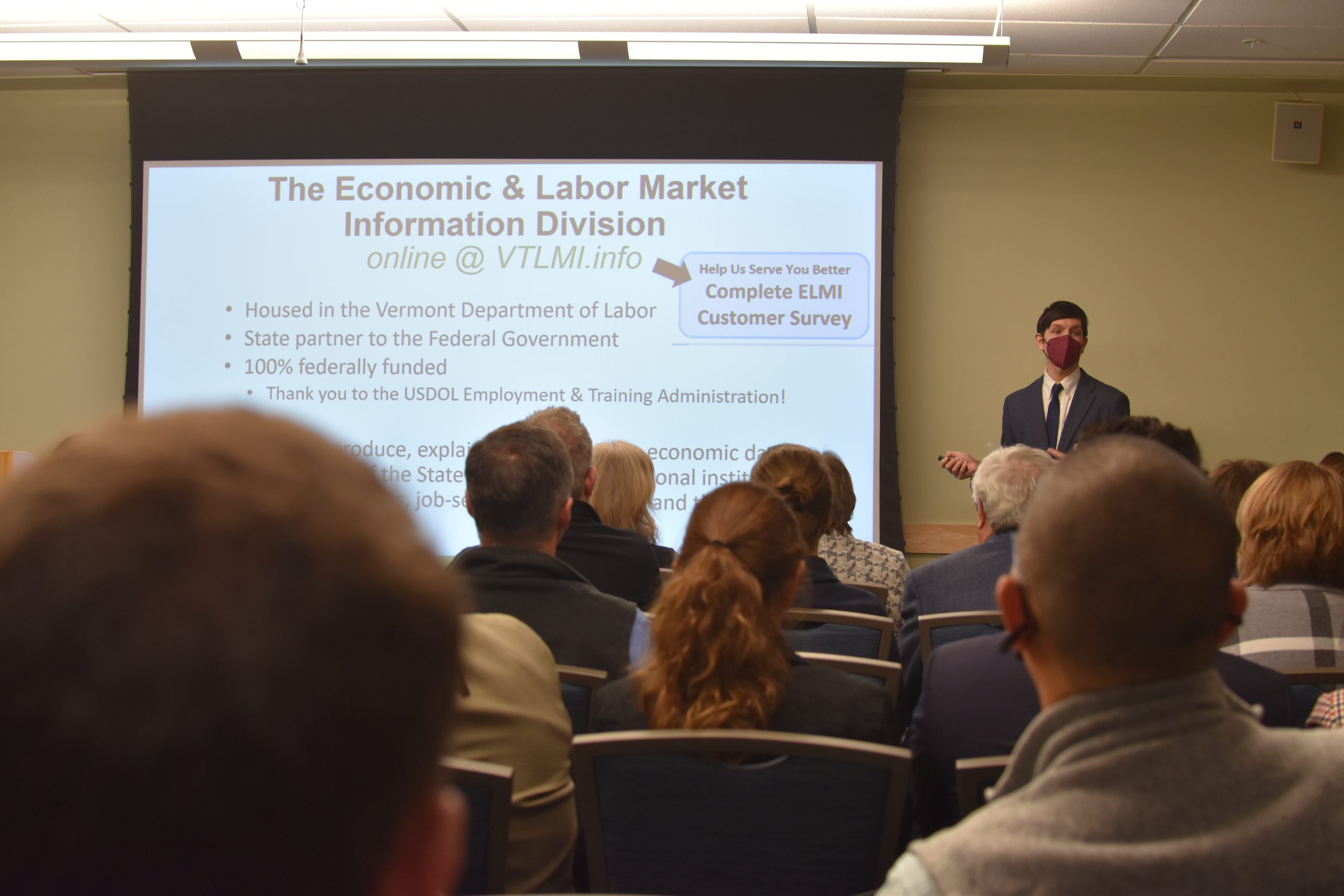
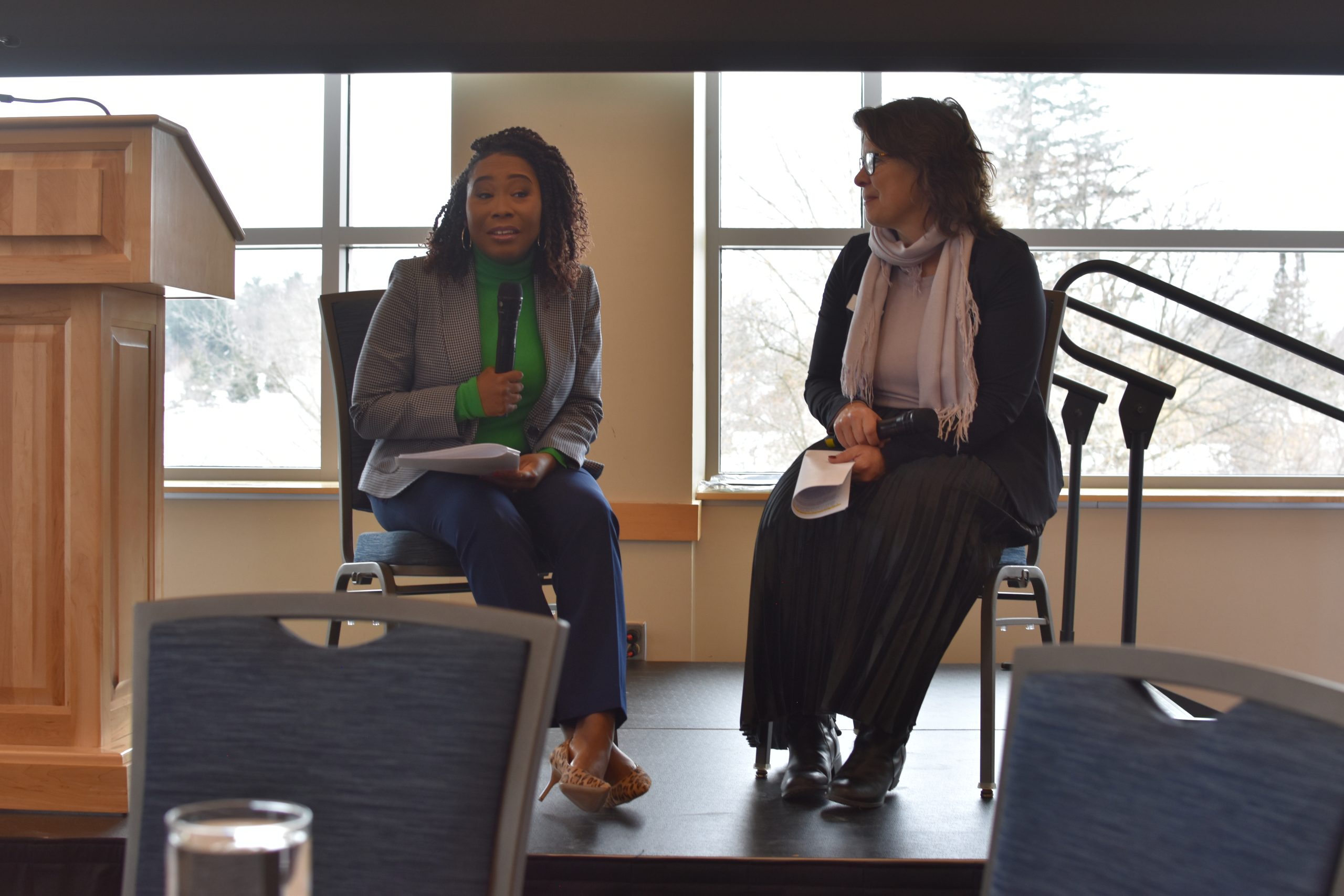
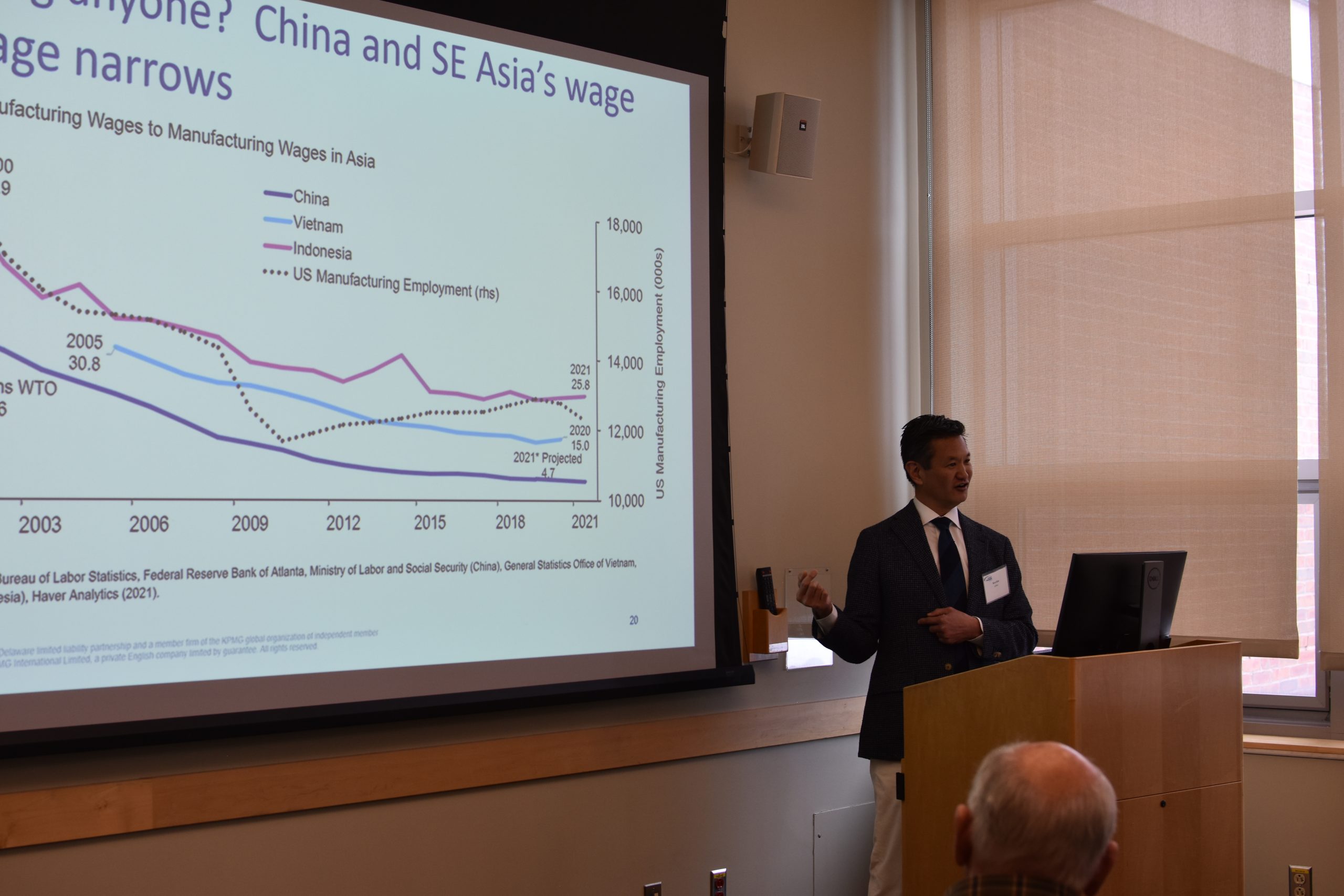
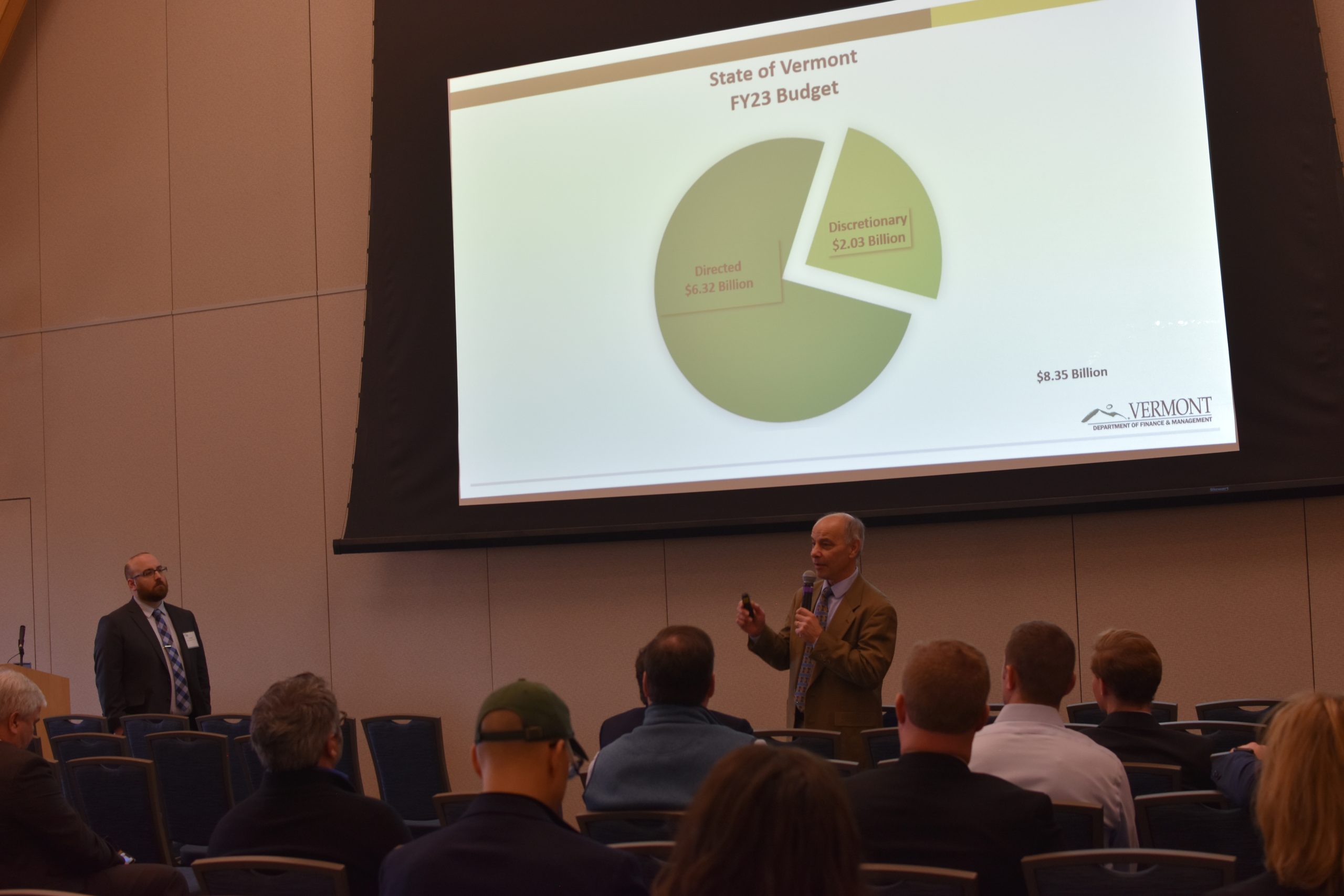
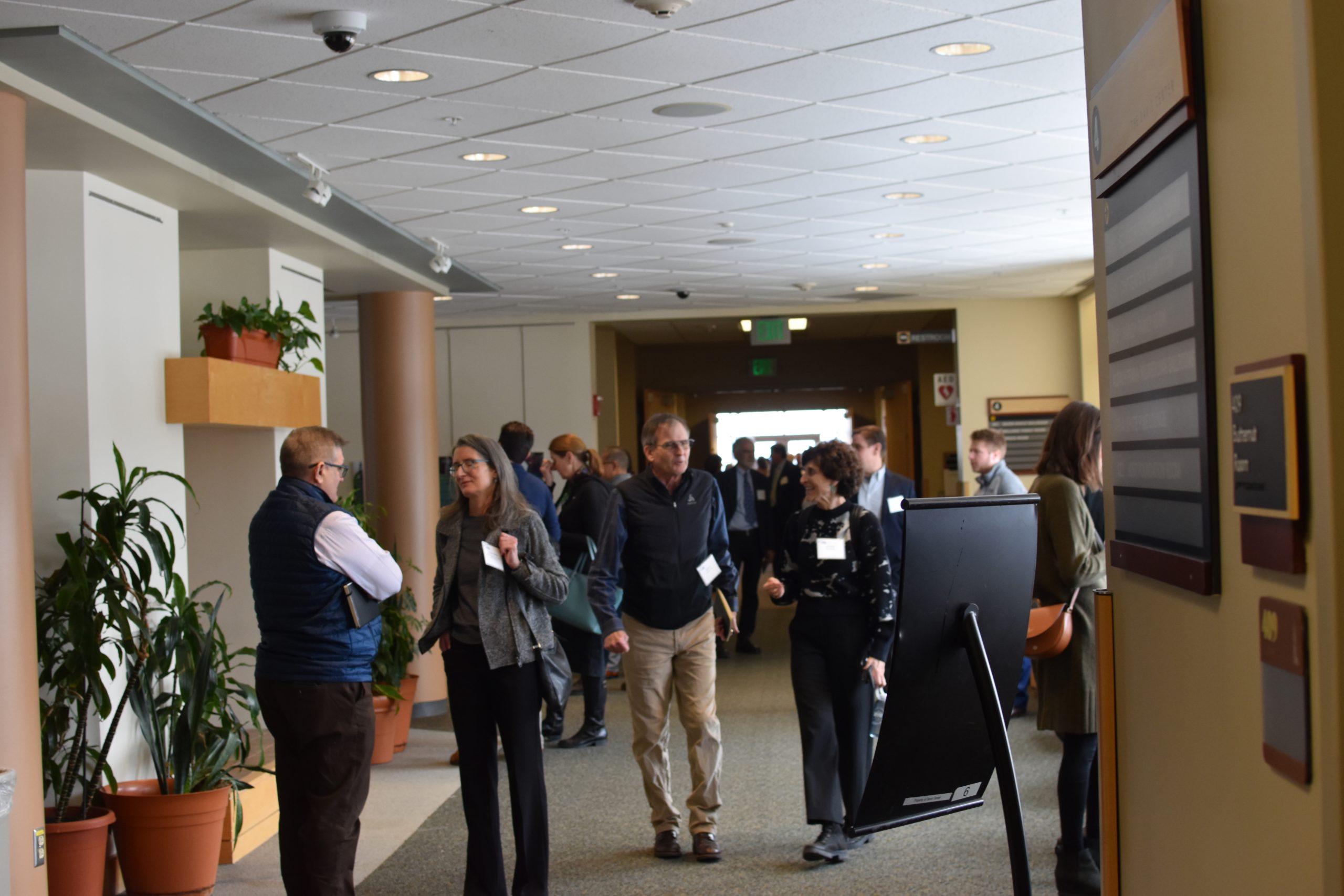
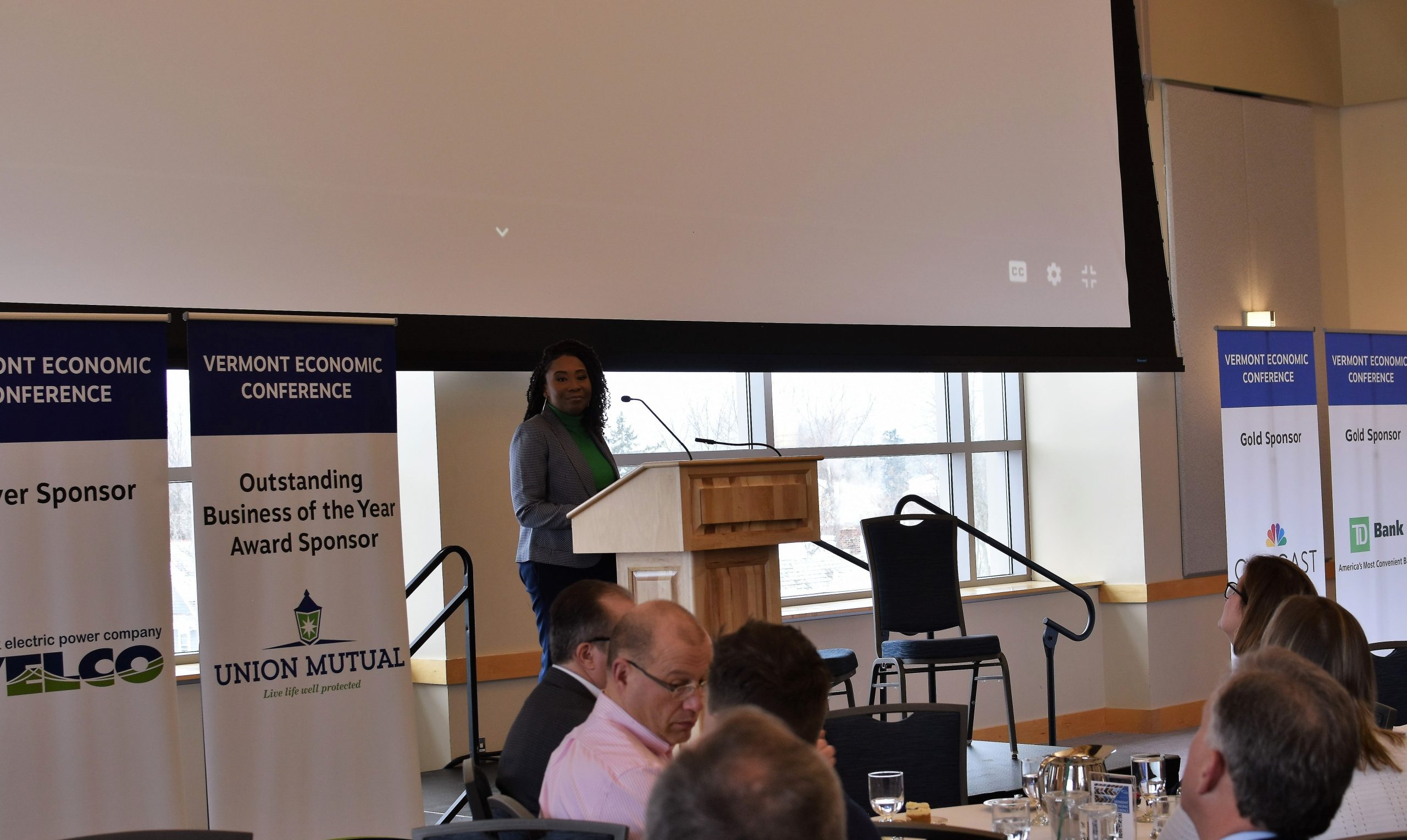
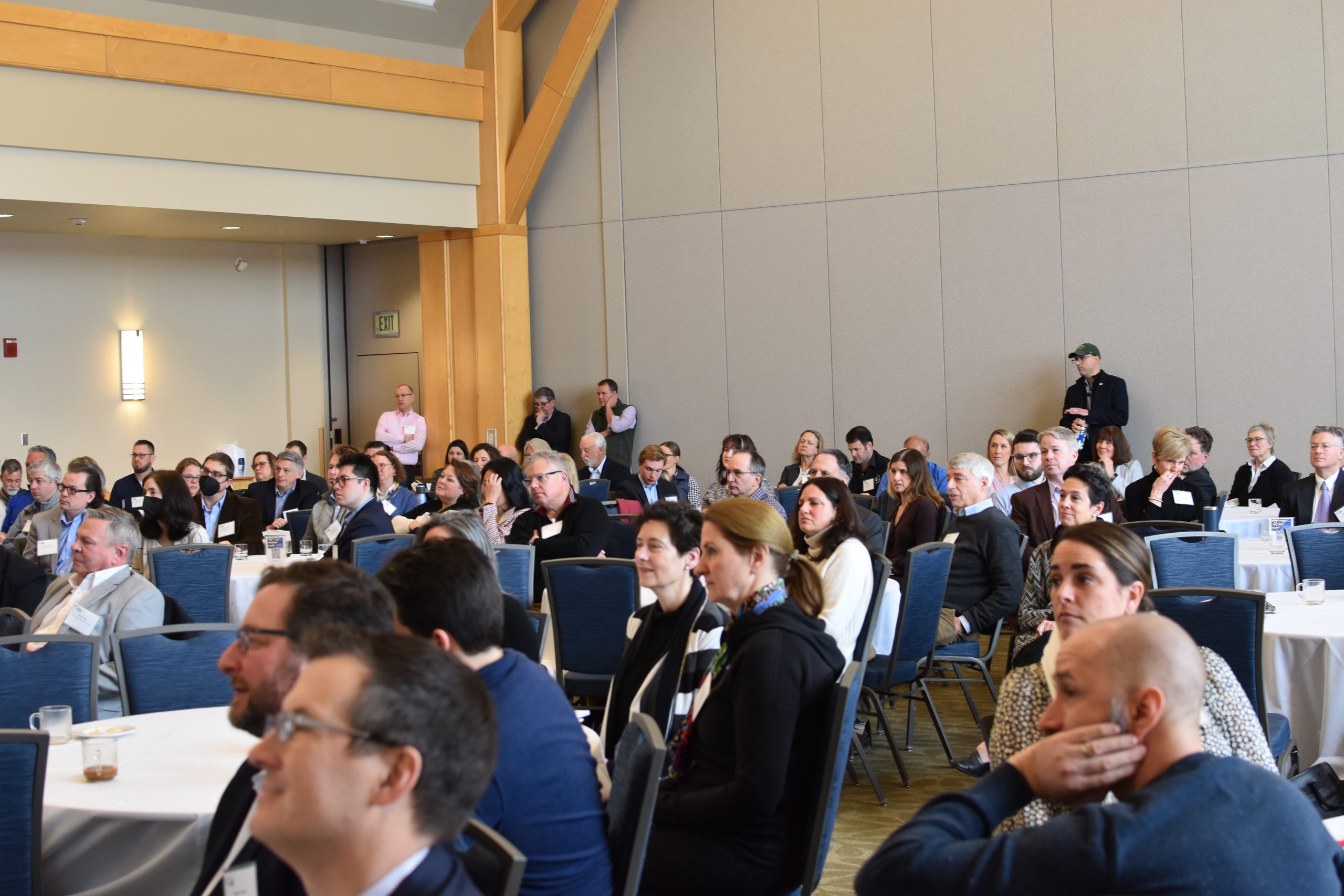
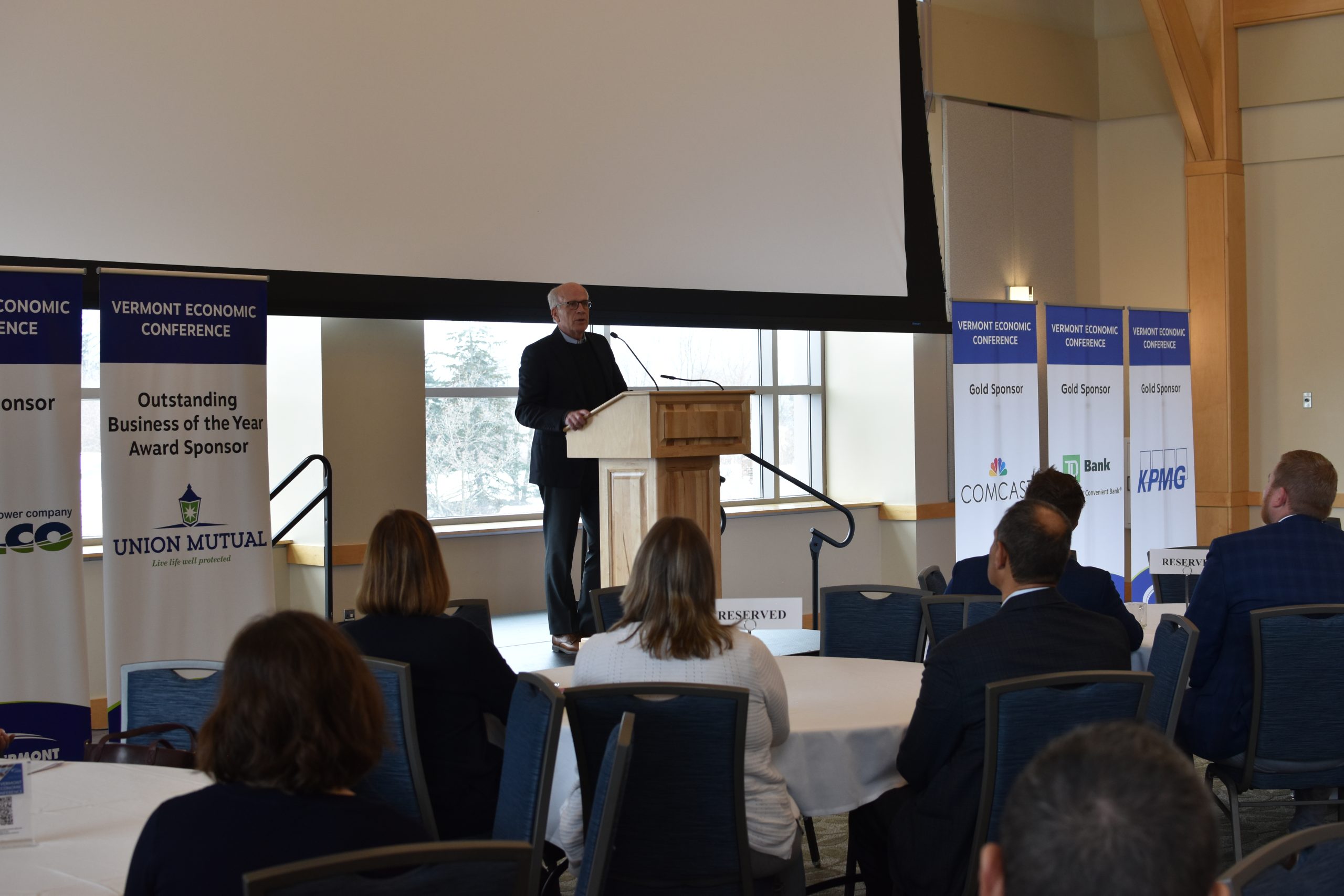
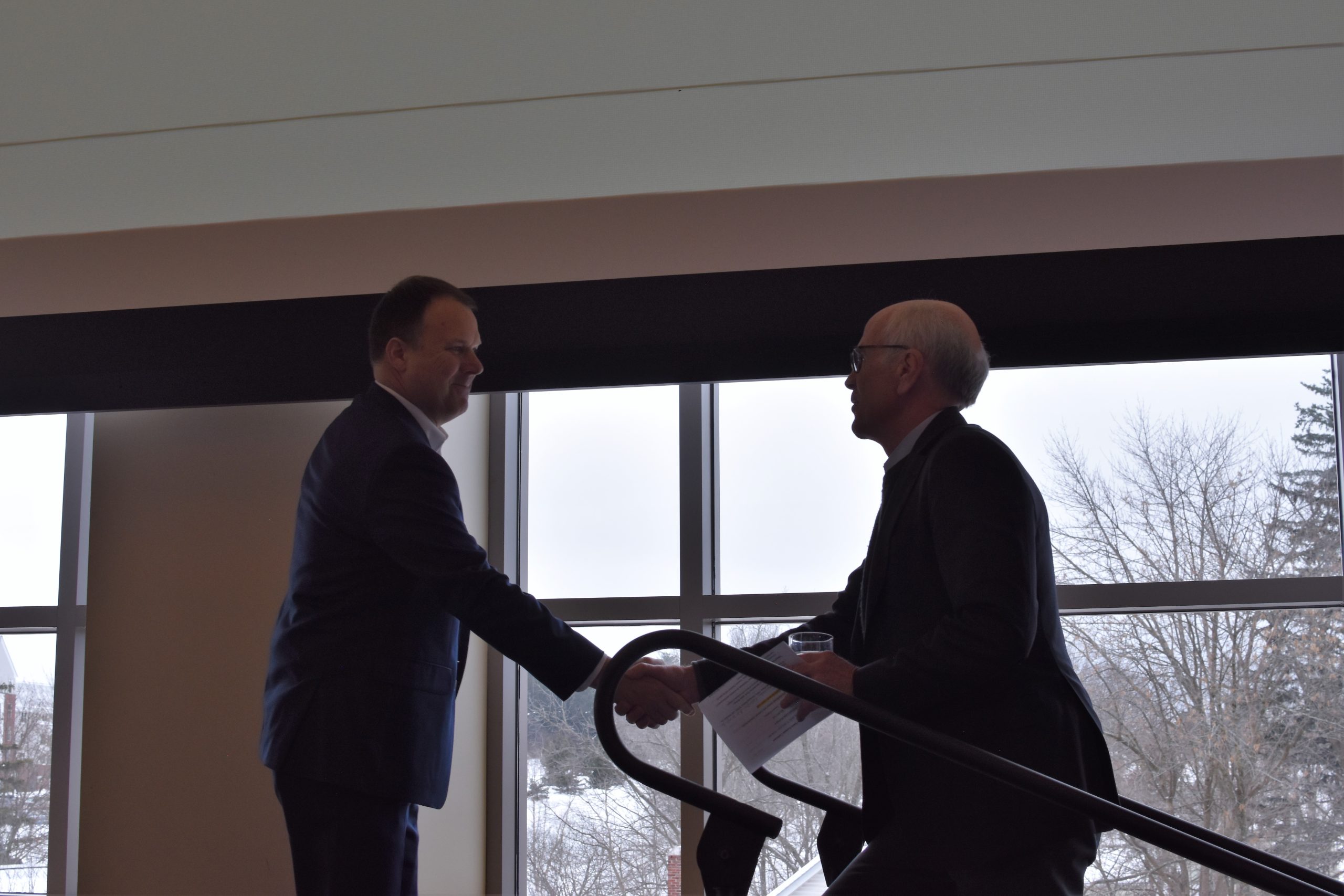
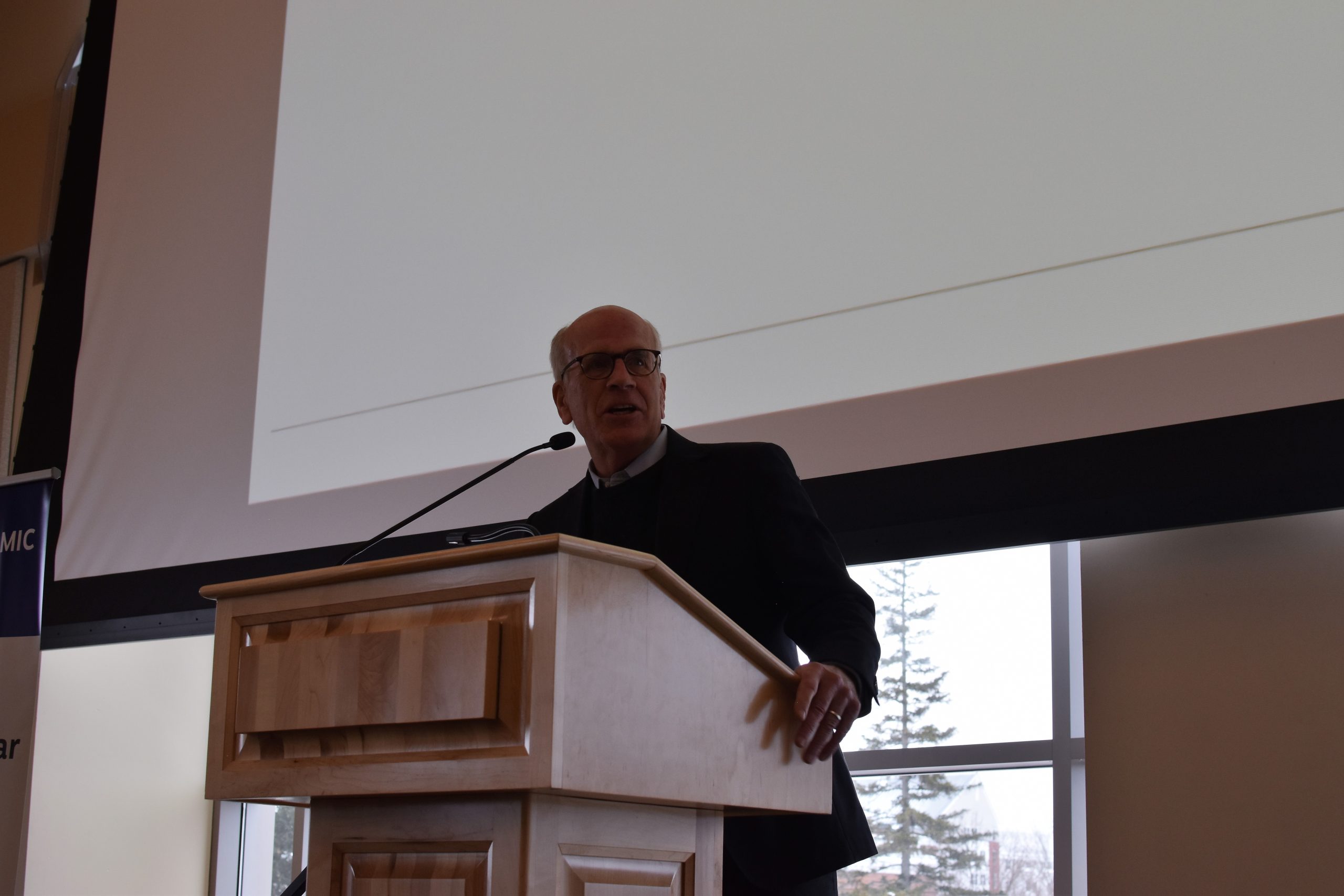
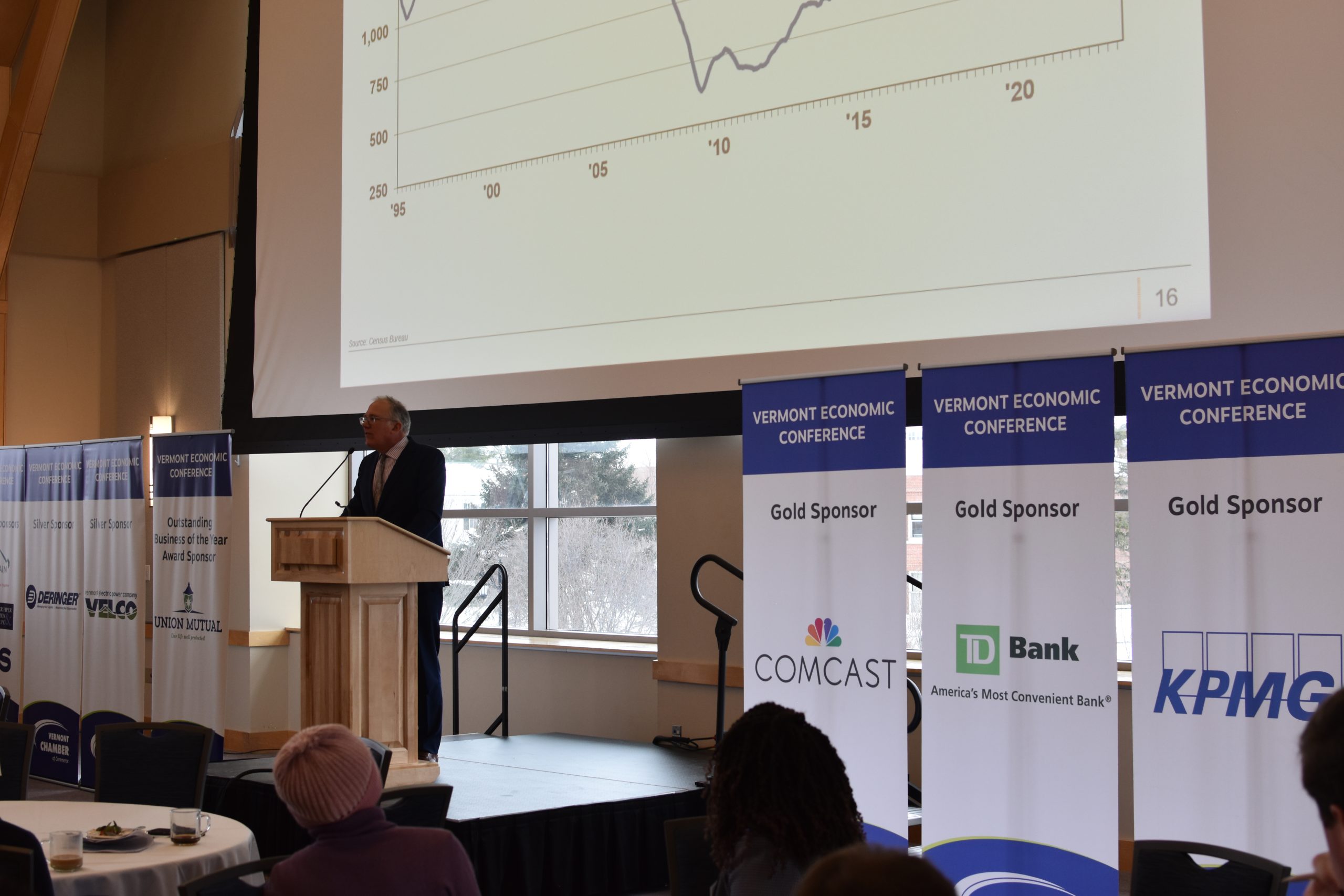
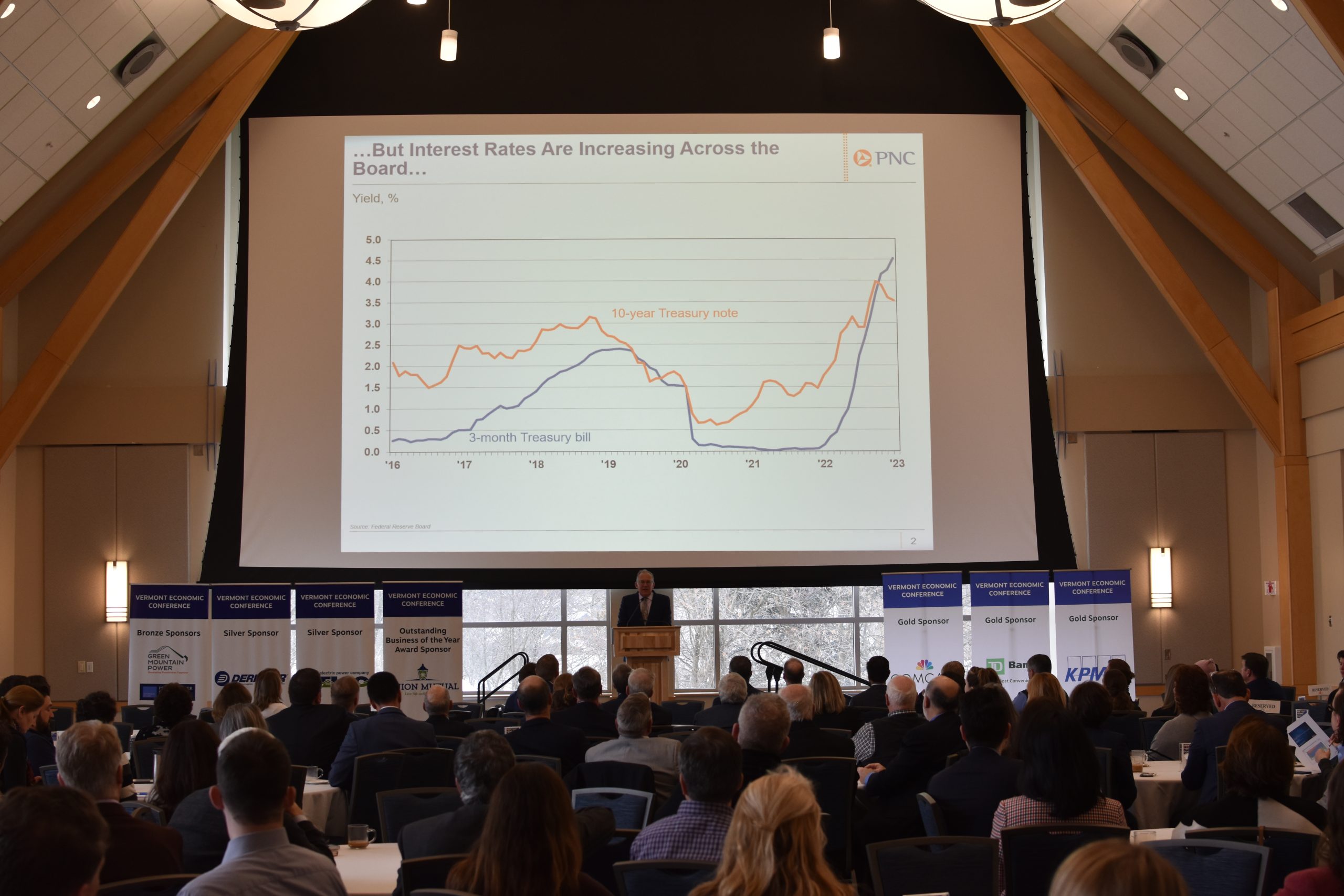
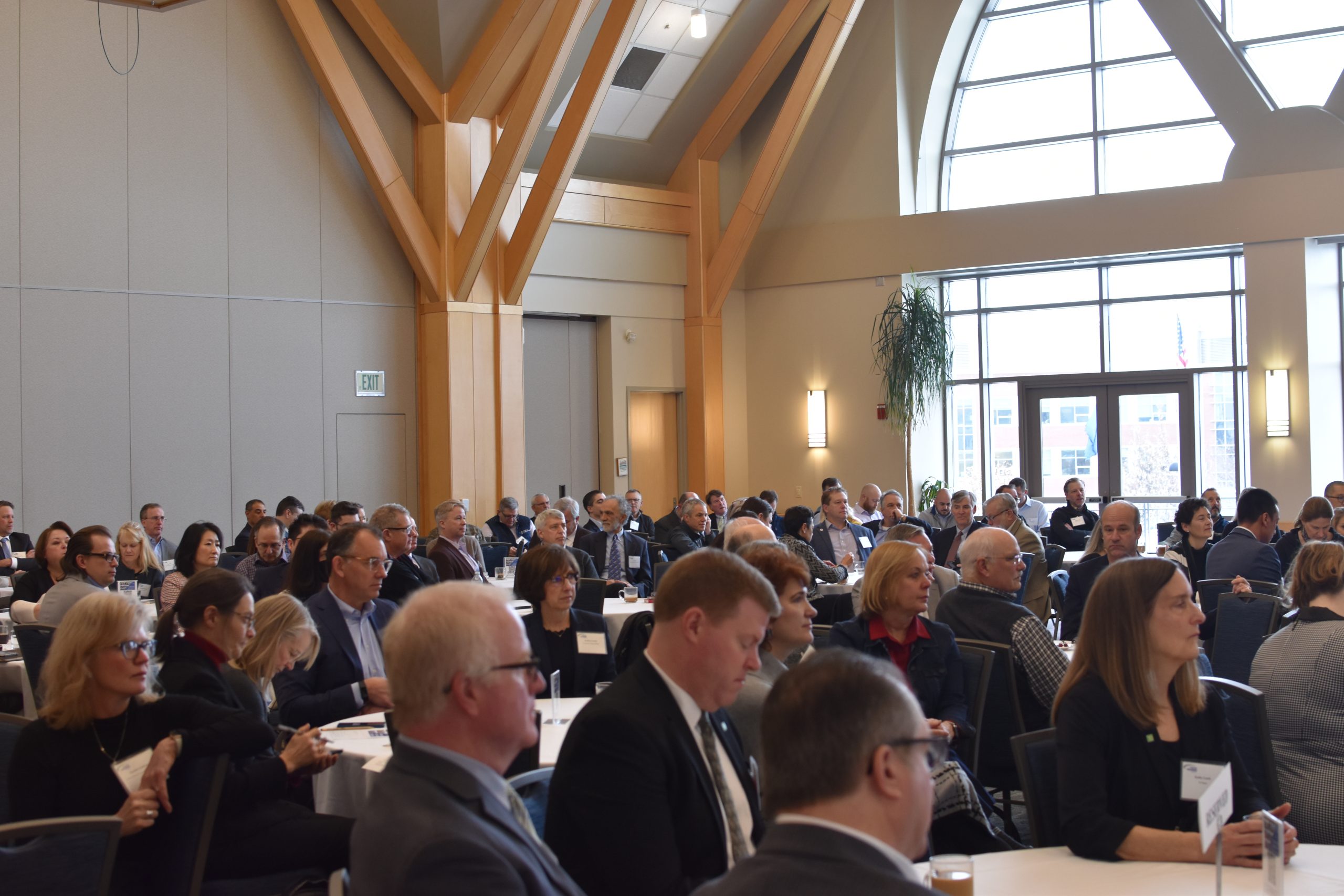
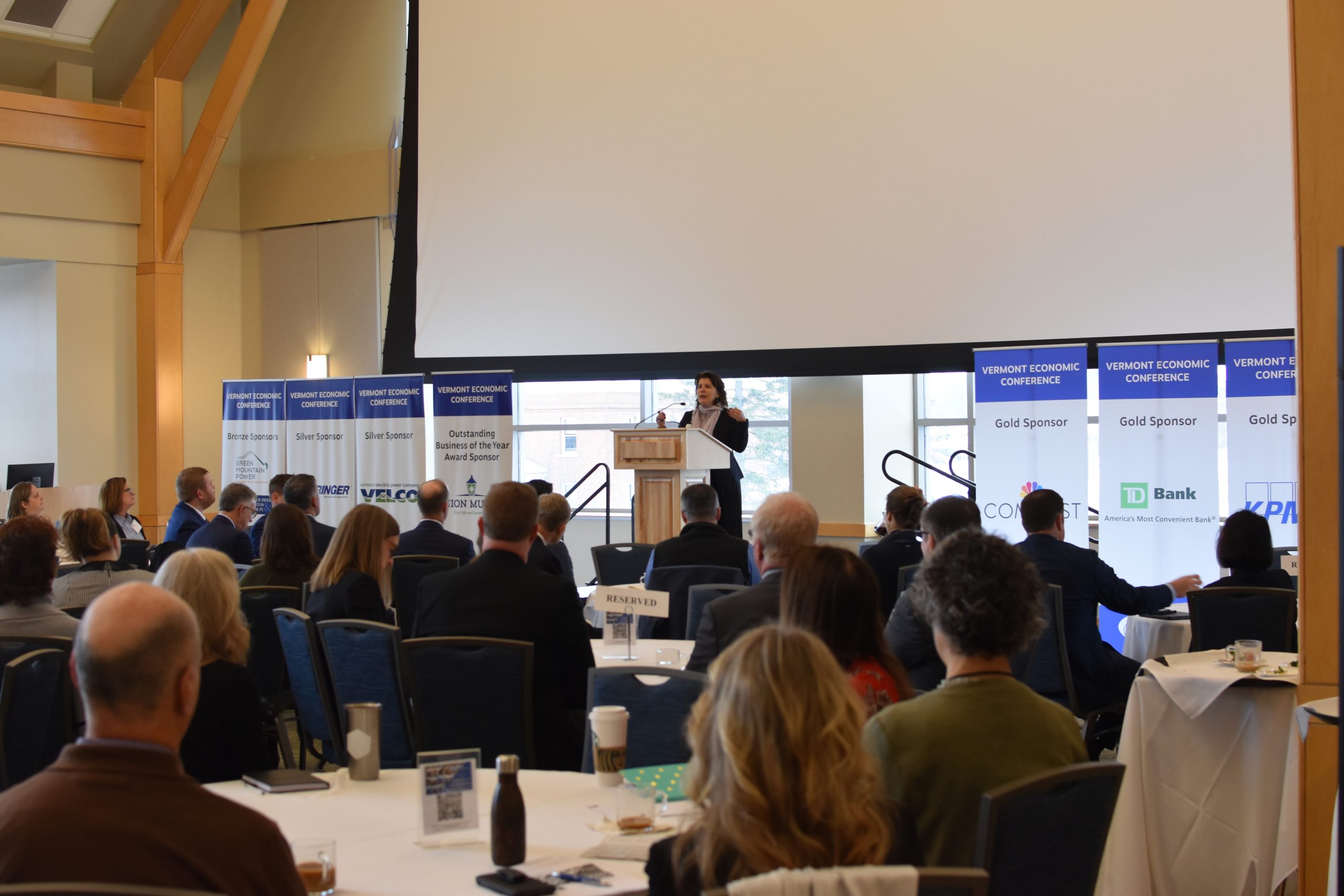
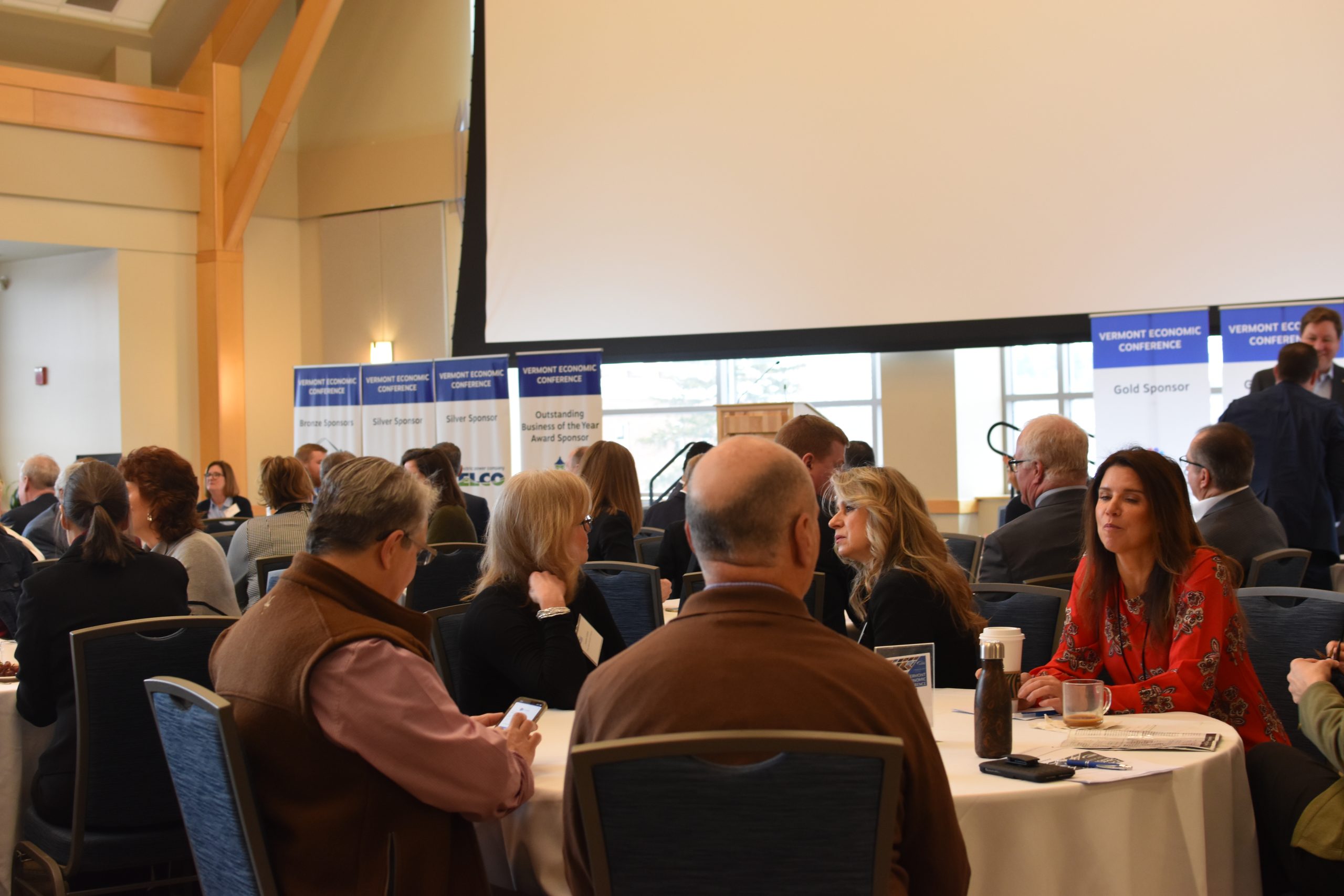
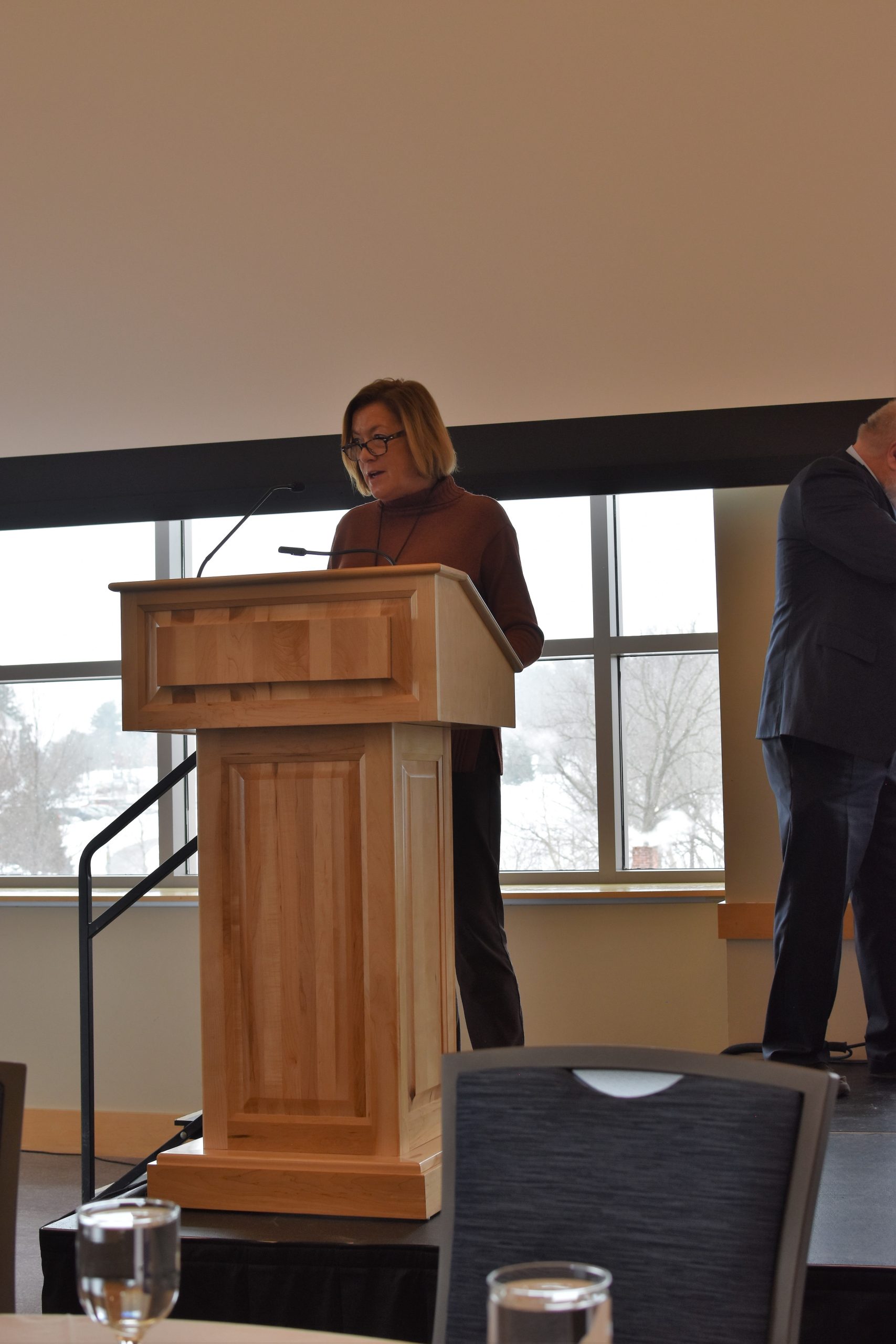
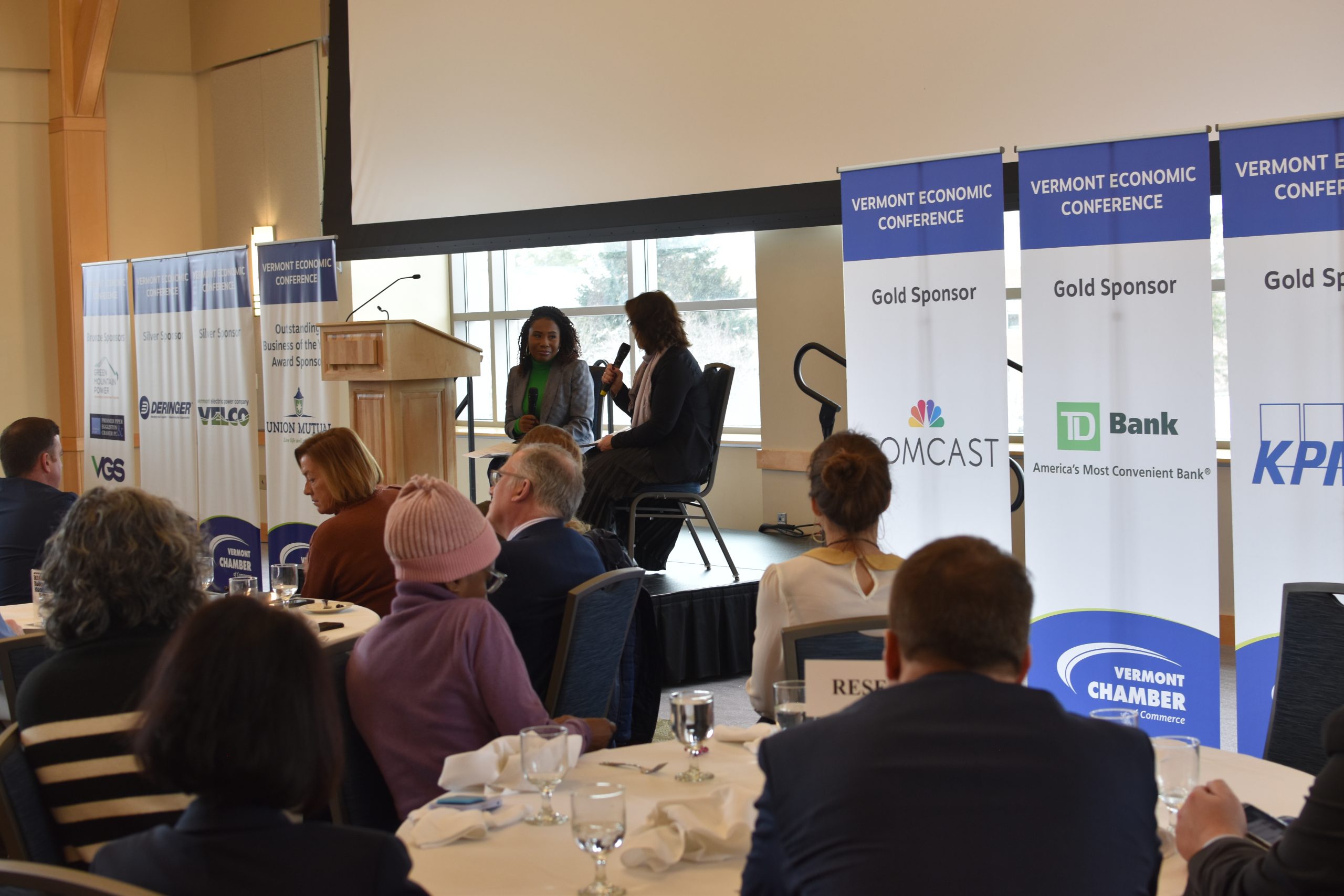
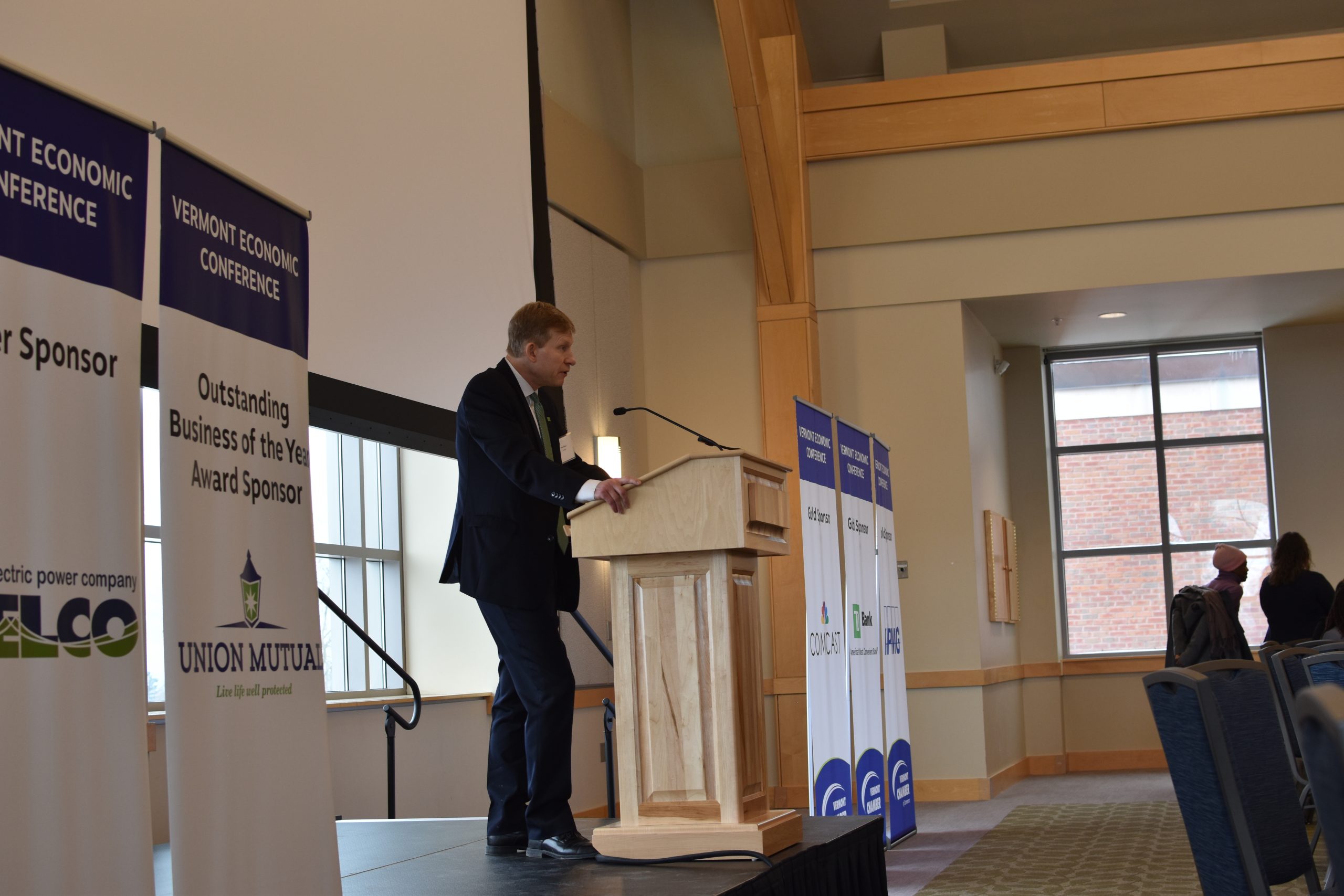
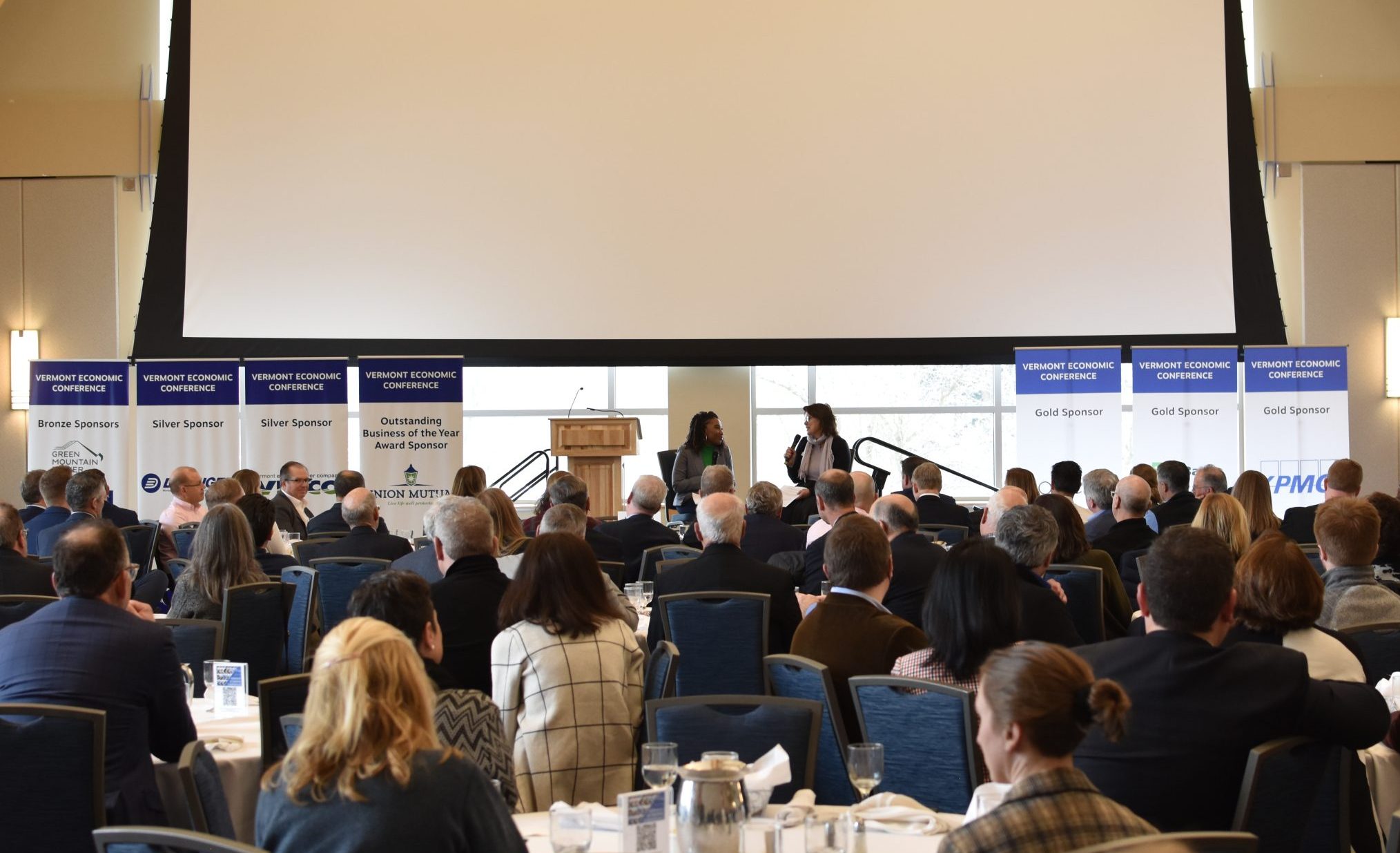
The Vermont Chamber of Commerce’s annual Vermont Economic Conference made its in-person return with over 200 business and policy leaders gathering at the University of Vermont Dudley H. Davis Center for an in-depth look at national, global, and state perspectives on the economy as well as the latest economic indicators for business growth.

“The Vermont Chamber understands what it takes to help businesses grow and thrive to build strong, vibrant, communities, and our members have trusted us with this work to be stewards of the Vermont economy. Events like the Vermont Economic Conference help ensure a viable future for our state and achieve our mission of advancing Vermont’s economy,” said Vermont Chamber President Betsy Bishop. “This event is one of many we hope to bring back in-person so that stakeholders from all industries, across every corner of the state, can continue to come together to learn from each other, support each other, create solutions, and work together.”

Senator Peter Welch delivered remarks and reaffirmed his commitment to being a champion for Vermont businesses, stating, “My goal in Washington is to help make it possible for Vermont families to do their work, live good lives, and uphold the traditions that make us proud to be Vermonters. I’ll continue to champion the affordability issues I’ve led in the House, while serving as an advocate for our farms on the Agriculture committee and working to protect our democracy as a member of the Judiciary and Rules committees. I’ll do everything I can to help Vermonters thrive and support the state we love.”

Two keynote speakers headlined the conference, Gus Faucher, Senior Vice President, and Chief Economist for PNC Financial Services Group, and Eva McKend, National Political Reporter for CNN. Faucher is a returning favorite at the Vermont Economic Conference, he provided his signature address, entitled, “National Economic Trends: Balancing Inflation, Consumer Spending, and Employment.” McKend, who previously reported for WCAX returned to Vermont to reflect on her time covering the recent midterm elections and the Washington, DC discourse on economic issues such as inflation and immigration in her keynote entitled, “Balance of Power: A Post-Election Economic Outlook.”

The event also provided an international economic outlook from Ken Kim, Senior Economist for KPMG, a presentation on Vermont demographics, population, and workforce data from Mat Barewicz, Economic & Labor Market Information Chief for the Vermont Department of Labor, and a breakdown of the state budget from Commissioners Adam Greshin and Craig Bolio.

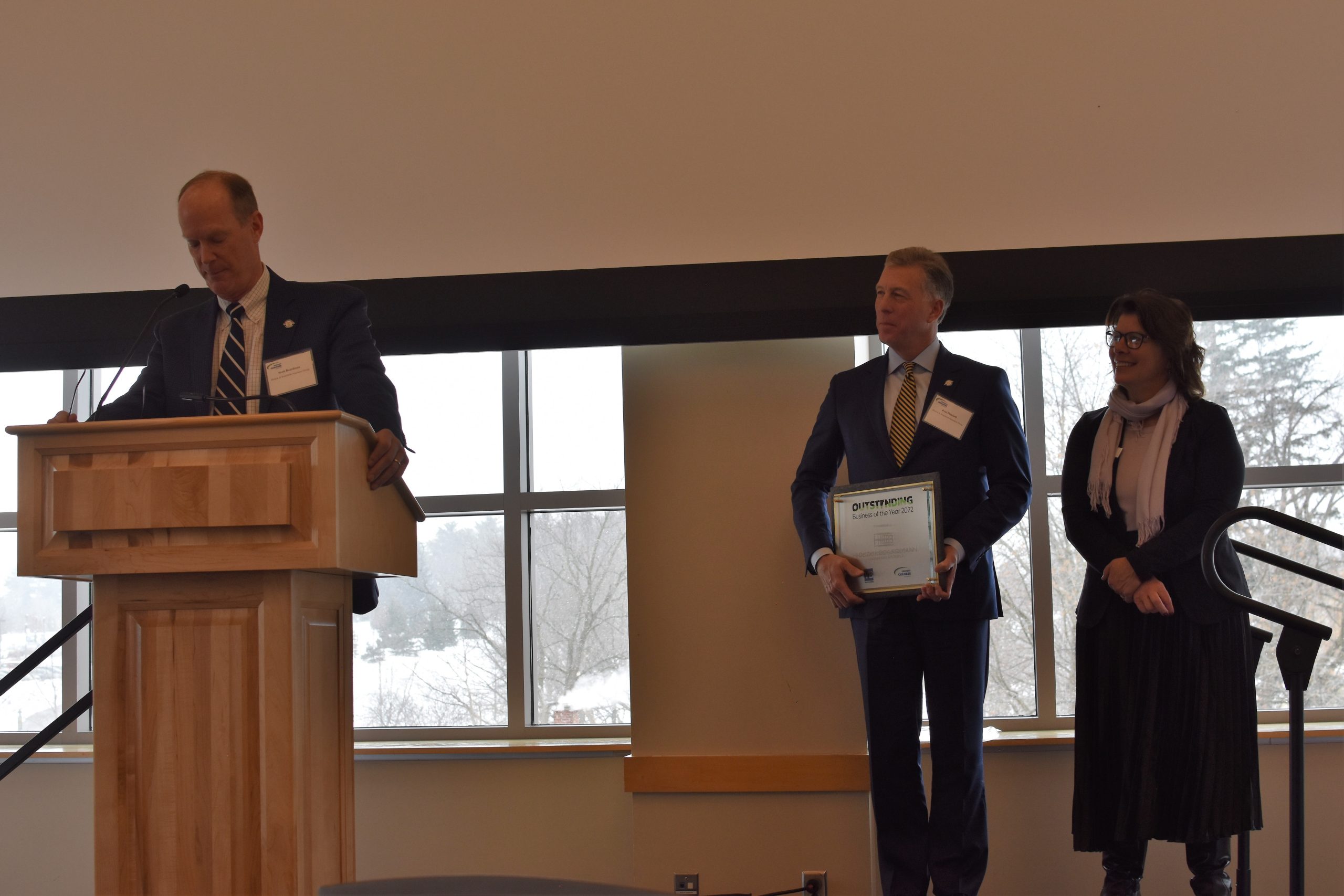
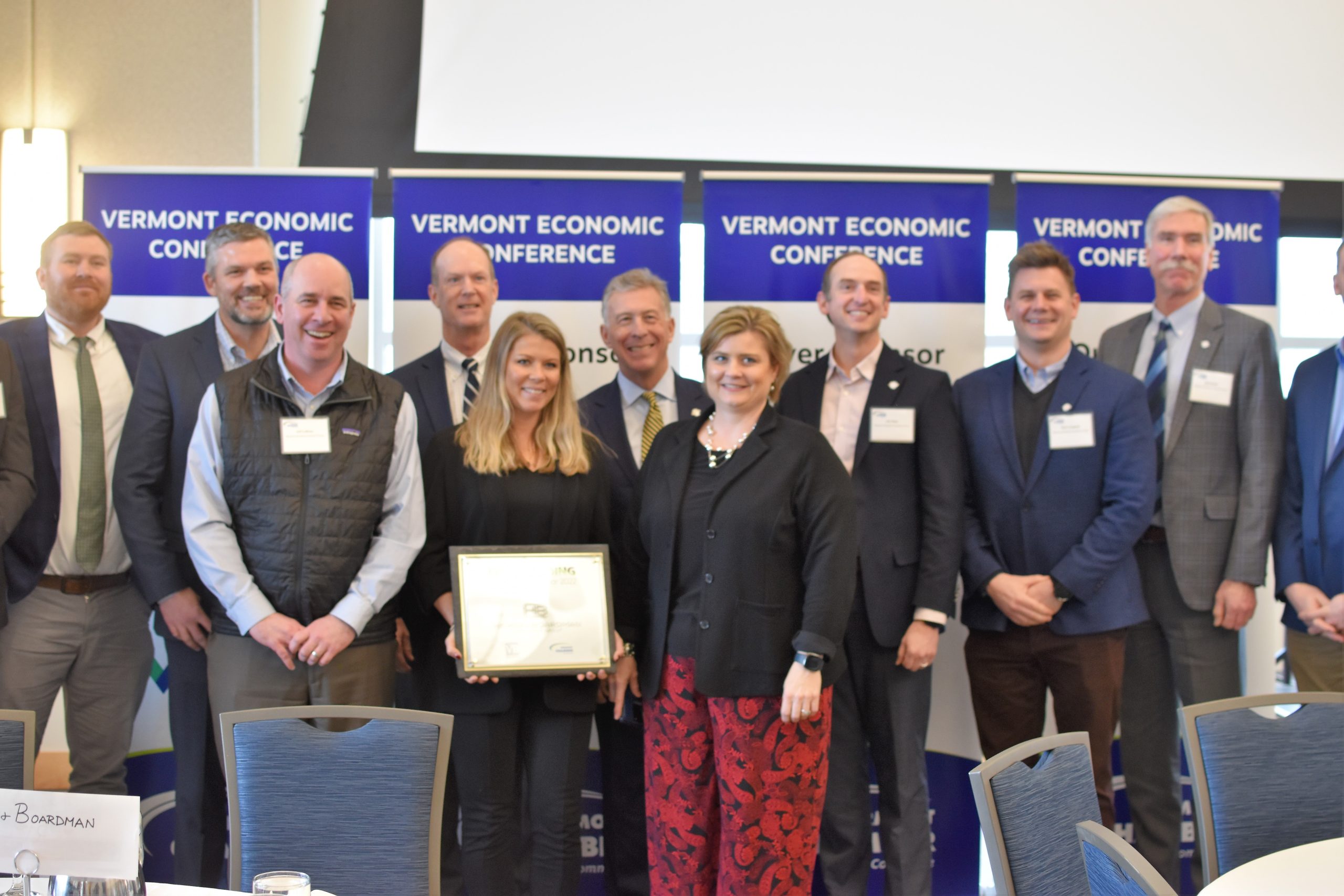
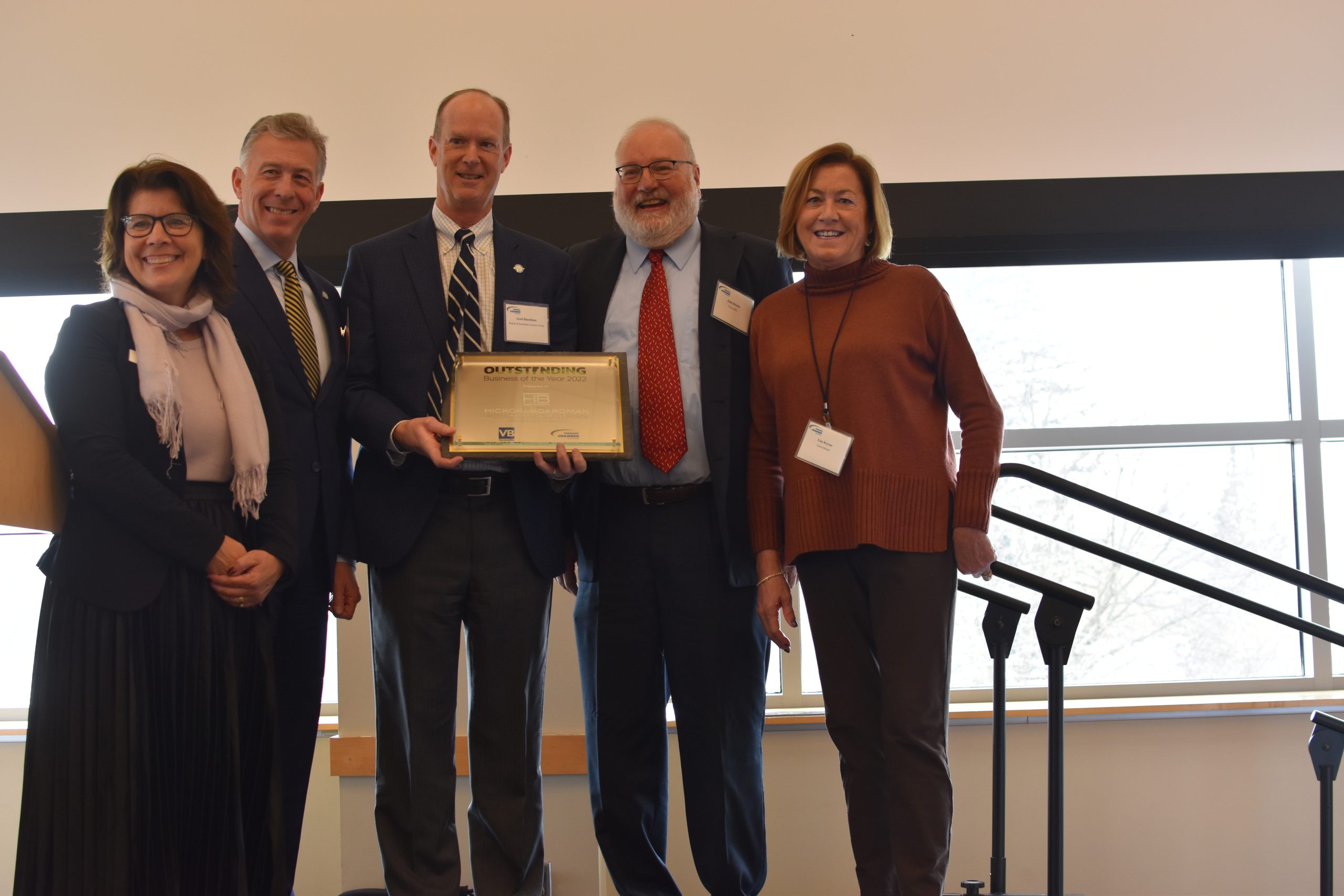
The agenda closed with the presentation of the 2022 Outstanding Business of the Year Award to Hickok & Boardman Insurance Group. The award was presented by the Vermont Chamber of Commerce and VermontBiz and accepted by Scott Boardman, CEO, and Paul Plunkett, President & COO, on behalf of the business.

SHARE THIS ARTICLE

RECENT NEWS

Retail Theft Addressed at the Federal Level

Retail Theft Addressed at the Federal Level

Discussion in recent years on how to address aggregating retail theft has been met with resistance due to police department staffing issues, court backlogs caused by the pandemic, and an unwillingness to prioritize nonviolent property crimes.  

However, on the federal level, the INFORM (Integrity, Notification, and Fairness in Online Retail Marketplaces) for Consumers Act, was passed as part of the omnibus appropriations bill in December. The legislation is intended to reduce demand for stolen merchandise and combat organized retail theft. It requires online marketplaces to verify the identities of high-volume third-party sellers by authenticating the seller’s government ID, tax ID, bank account, and contact information.  

SHARE THIS ARTICLE

RECENT NEWS

Income-Based Education Tax Study Committee Releases Report

Income-Based Education Tax Study Committee Releases Report

The House Ways and Means Committee reviewed a report on recommendations for the creation and implementation of an income-based education tax to replace the homestead property tax. While businesses are facing several significant tax proposals this session, the total impact of new taxes must be considered so the Vermont economy is not overwhelmed. 

The committee that created the report did not weigh the decision of whether it should be adopted and instead opted to outline how the tax should be structured when adopted and did not recommend a specific rate. The executive summary states: “Given the scope of its legislative charge and limited timeframe to accomplish that charge, the Committee decided not to prioritize the policy question of whether an education income tax should be adopted. The Committee decided instead to concentrate on if an education income tax were to be adopted, how should it be structured.” 

Notable recommendations were that homesteads, and two surrounding acres, would be exempt from property tax, but any additional acreage on a homestead parcel would be taxed at the non-homestead rate. Funding would remain tied to the local community’s spending decisions, but rather than being based on property value, it would be based on income. The report recommends that second homeowners would not be taxed on the value of their property, but rather on their earned income in Vermont. However, questions remain on how concerns of out-of-state property owners who do not earn a Vermont income would be addressed. 

SHARE THIS ARTICLE

RECENT NEWS

Rural Omnibus Bill Takes Shape

Rural Omnibus Bill Takes Shape

The Rural Caucus meets weekly to discuss proposals under consideration that would impact rural communities. With tri-party leadership, legislators across the political spectrum, and diverse geographic representation, those in attendance are bound by a dedication to seeing rural Vermont thrive. In recent weeks, the group has heard from members on proposals considered for inclusion in a rural omnibus bill. Thirty-three proposals were voted on, with the top ten moving forward.  

A proposal to build rural administrative capacity received the most votes. The $3 million championed by the Vermont Chamber in the Governor’s Budget Adjustment request addresses this issue by investing one-time funds. The rural omnibus bill would also look at longer-term solutions to ensure rural Vermont communities that rely on volunteer support rather than professional staff are not left behind in accessing funding. This initiative is akin to Senator Leahy’s brainchild, the Small State Minimum.  

SHARE THIS ARTICLE

RECENT NEWS

Two Opposing Paid Family and Medical Leave Insurance Plans

Two Opposing Paid Family and Medical Leave Insurance Plans

Following the announcement of the Governor’s paid family and medical leave plan in December, an alternative bill has formally been introduced in the legislature. The most notable difference is the funding structure, with the Governor’s proposal using existing revenue while the House proposal relies on a 0.58% payroll tax on businesses and employees.  

The legislative proposal, H.66, is framed as a social infrastructure investment to strengthen families and the economy. However, with 20,000 open jobs in Vermont, further examination is required to understand the combined impact of workforce reductions and a payroll tax on the economy. As expected, the bill includes 12 weeks of complete wage replacement for all workers, including seasonal and part-time workers, as well as self-employed individuals that opt-in. The payroll tax would be split between employee and employer to fund the proposed plan, with an exception for workers who make less than $20,000 a year, who would be exempt from paying into the system. With an expansive definition of family to include personal bonds, Vermonters would be eligible in a broad variety of instances. The Governor’s alternative plan announced in December would be administered by a private insurer with a cost of $2 million annually to cover state employees and offer 60% wage replacement for up to six weeks.   

SHARE THIS ARTICLE

RECENT NEWS

Budget Adjustment Act Approaches Finish Line

Budget Adjustment Act Approaches Finish Line

The Budget Adjustment Act will be finalized next week following recommendations made to the House Appropriations Committee. For the most part, the proposals advocated for by the Vermont Chamber are being recommended as requested. The Rural Infrastructure Assistance Program has gained wide support, but how funds would be allocated and to whom, remains in consideration.  

The current proposal on an underserved index has not been received well but several legislators have expressed commitment to finding a path forward. The VEDA Forgivable Loan Program is still running and continues to accept applications from businesses recovering from the impacts of COVID-19. However, VEDA has announced an end date of accepting applications in March. A recommendation has been put forward by the House Commerce and Economic Development Committee to end the program at the close of FY 2023, giving VEDA the opportunity to close out applications and the legislature the opportunity to thoughtfully consider where any remaining business recovery funds are spent.  

SHARE THIS ARTICLE

RECENT NEWS

Workforce Housing Bill Introduced

Workforce Housing Bill Introduced

A proposal to allow employers to invest in workforce housing opportunities was included in the Workforce Housing Bill introduced yesterday by Rep. Katherine Sims. The Missing Middle Rental Housing Program would, in part, create a revolving loan fund to provide lower rates to developers to build housing that employers can invest in. Details of this proposal are not yet clear, but the Vermont Chamber will continue to be actively engaged in shaping the initiative to ensure that employers looking for a way to be actively involved in a solution to the housing shortage have a mechanism to do so.  

Earlier in the week, Rep. Seth Bongartz walked through the details and rationale behind important local zoning changes that are also included in the Senate’s Omnibus Housing Bill led by Senator Kesha Ram Hinsdale. He has spent months negotiating with a coalition of advocates on this issue. The bill also includes important common-sense measures to incentivize housing by removing outdated Act 250 and wastewater provisions that constrain housing development in smart growth areas. Additionally, it proposes investments in other housing and development programs with proven demand such as the Missing Middle-Income Development Program, the Vermont Housing Investment Program, and municipal planning grants. It is likely a new draft of the Senate’s bill will be released soon with the current language around the Project Based TIF program removed into a stand-alone bill.  

SHARE THIS ARTICLE

RECENT NEWS

Legislative Intern Spotlight: Anders Norton

Legislative Intern Spotlight: Anders Norton

There’s a stellar team of interns elevating Vermont Chamber advocacy efforts this session. In the weeks ahead we’ll introduce you to each of them, starting with Anders!  

Name: Anders Norton 

College: Grossman School of Business, University of Vermont  

Field of Study: Major – Business Administration (Sustainable Marketing), Minor – Political Science 

Anticipated Graduation: Spring 2024 

Hometown: Concord, New Hampshire 

“Over the course of the internship with the Vermont Chamber, I hope to better my understanding of the ins and outs of companies and organizations working within politics to advance both political and economic goals for the state and private/public companies. I am looking forward to building my repertoire of consulting skills, political knowledge, and government relations.  

After college, I am hoping to take a year off to travel and work before returning to UVM to pursue my master’s in Sustainable Innovation during the 2025 academic year.  

I am open and interested to networking for any professional opportunity. I am proficient in a range of Microsoft and Google applications. I have solid communication, financial and marketing skills, and am the current treasurer of the ACHA Club Hockey at University of Vermont.”  

Contact Information 

Email- amnorton@uvm.edu 

LinkedIn- www.linkedin.com/in/anders-norton 

The 2023 Legislative Monitoring Collaborative is made possible by the support of the National Life Group: 

SHARE THIS ARTICLE

RECENT NEWS

Budget Adjustment Proposals Up for Review

Budget Adjustment Proposals Up for Review

The Vermont Chamber testified in support of several economic growth initiatives detailed in the Governor’s FY23 recommended Budget Adjustment, including investments in services to recruit and retain the New American workforce, and essential rural infrastructure.   

Workforce Recruitment and Retention 
With over 20,000 job openings and not enough Vermonters available to fill them, we need more people. New Americans have always been an important part of Vermont’s culture and workforce and continue to be a critical part of Vermont’s economic vibrancy. Barriers exist for New Americans seeking employment and we support the Governor’s request to fund services to address this to ensure these Vermonters can access opportunities.  

Housing 
Recent graduates and seasoned professionals alike are deterred from working in Vermont due to the statewide supply shortage of suitable housing. In 2016 the Vermont Futures Project determined that the state needed to build 5,000 units of housing a year to meet demand. That figure has now grown to 6,000 per year according to the Vermont Housing Finance Agency. The Vermont Housing Investment Program has provided important investment opportunities to increase the rental housing units available across Vermont and we support the Governor’s request for additional funding for this program.  

Rural Capacity 
The federal funds that flowed to Vermont for COVID-19 recovery provided a once-in-a-lifetime opportunity to invest in Vermont’s communities and infrastructure. For underserved communities, these funds have remained out of reach due to a lack of staff capacity to find, apply, and administer funds.  With a quickly approaching expiration date to obligate and use these funds and there is an urgency to help underserved communities with these existing programs. We request that you support Governor’s request for $3 million in the rural infrastructure program to provide technical assistance for those in underserved communities to have access to the transformative programs this body created during the last biennium.  

Broadband Buildout 
There are areas of Vermont that are unserved by high-speed internet because they either cannot connect to the internet altogether or are served by DSL. Particularly in rural towns, small businesses struggle to keep pace without reliable internet and spotty connections with their customer base, and communities stagnate or shrink because they struggle to attract new residents to a place without reliable internet connection for work and school. The Vermont Chamber of Commerce supported the State’s application for these competitive funds from NTIA and now supports the Governor’s request for $30 million to leverage these funds through the Budget Adjustment.

SHARE THIS ARTICLE

RECENT NEWS