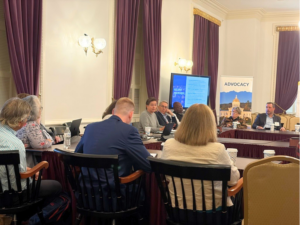
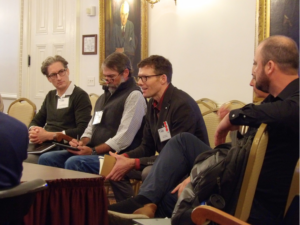
The Vermont Chamber of Commerce convened manufacturing leaders and legislators at the State House on October 7 for a policy retreat focused on identifying practical solutions to strengthen Vermont’s manufacturing sector, encourage business investment, and support long-term economic growth. Through candid discussions, participants examined challenges affecting manufacturers’ ability to expand, innovate, and compete while exploring policy opportunities to create a more predictable, affordable, and competitive business environment.
The conversations highlighted the interconnected challenges facing Vermont manufacturers, including workforce shortages, rising operating costs, regulatory uncertainty, and limited access to housing and technical education. Participants emphasized that strengthening manufacturing competitiveness requires policies that support capital investment while creating the conditions businesses and workers need to succeed.
Key Policy Proposals Discussed
Modernizing Investment Incentives
Manufacturers called for incentives that recognize investments in equipment, automation, and facility improvements, even when those investments do not immediately create additional jobs. Participants explored capital investment incentives, equipment financing, and revolving loan funds to help businesses improve productivity, increase wages, and remain competitive.
Improving Permitting Predictability
Businesses identified permitting uncertainty as a barrier to investment and expansion. Ideas discussed included clearer requirements, consistent review processes, and more predictable timelines for permitting decisions. Greater predictability would help manufacturers plan investments with confidence and avoid costly delays.
Streamlining Economic Development Resources
Participants proposed a coordinated economic development playbook to simplify access to permitting information, financing, available sites, workforce programs, and agency contacts. A centralized resource could reduce administrative burdens, improve coordination, and help businesses navigate opportunities for growth.
Supporting Housing and Workforce Growth
Manufacturers emphasized that business growth depends on attracting and retaining workers who can afford to live in Vermont. Participants identified housing availability, healthcare costs, childcare, and energy expenses as significant challenges, calling for coordinated investments in housing, infrastructure, and policies that support population and workforce growth.
Strengthening Technical Education and Career Pathways
Participants called for stronger connections between manufacturers, high schools, and career and technical education (CTE) programs. Recommendations included more flexible CTE pathways, employer-informed curricula, teacher externships, internships, and apprenticeships to build a stronger pipeline of skilled workers.
Turning Industry Insight Into Policy Action
The retreat identified five areas for continued policy discussion: modernized investment incentives, more predictable permitting, streamlined economic development resources, expanded housing and workforce opportunities, and stronger technical education pathways.
These discussions will help inform the Vermont Chamber’s manufacturing advocacy efforts and ongoing engagement with policymakers. By connecting manufacturers’ experiences with practical policy solutions, the Chamber will continue working to create an environment that encourages investment, supports innovation, strengthens workforce development, and positions Vermont manufacturers for long-term success.